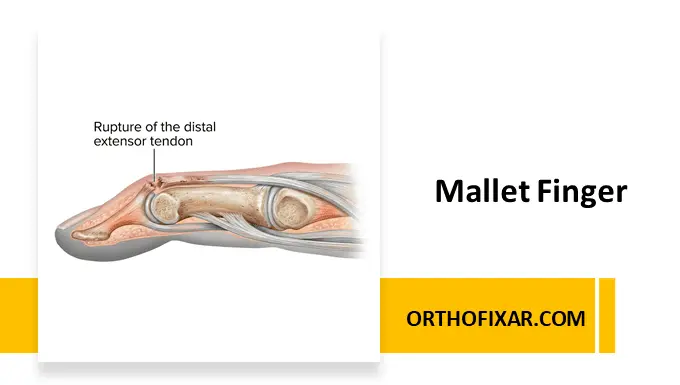
Mallet Finger: Causes, Symptoms & Treatment
Mallet finger is a common hand injury characterized by the inability to actively extend the distal interphalangeal (DIP)…
Read Full Entry →Explore the Orthofixar Database, a comprehensive medical & orthopedic surgery repository. Browse peer-reviewed clinical summaries across categories including Trauma, Pediatrics, Anatomy, Adult Reconstruction, Sports Medicine and much more medical categories. Stay updated with the latest clinical insights, diagnostic criteria, and treatment protocols.
Mallet finger is a common hand injury characterized by the inability to actively extend the distal interphalangeal (DIP)…
Read Full Entry →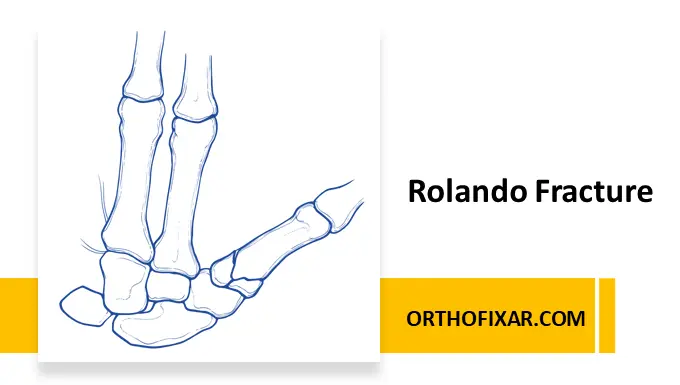
A Rolando fracture is a comminuted intra-articular fracture at the base of the first metacarpal (thumb). It typically…
Read Full Entry →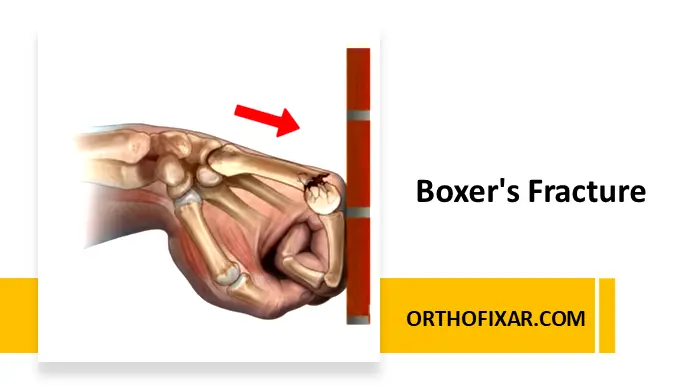
A Boxer’s fracture refers to a fracture of the neck of the fifth metacarpal, typically caused by axial…
Read Full Entry →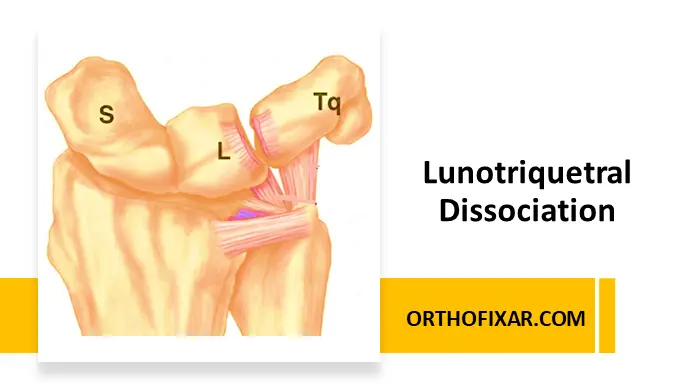
Lunotriquetral dissociation (LT dissociation) is a significant but often underdiagnosed cause of ulnar-sided wrist pain. As part of…
Read Full Entry →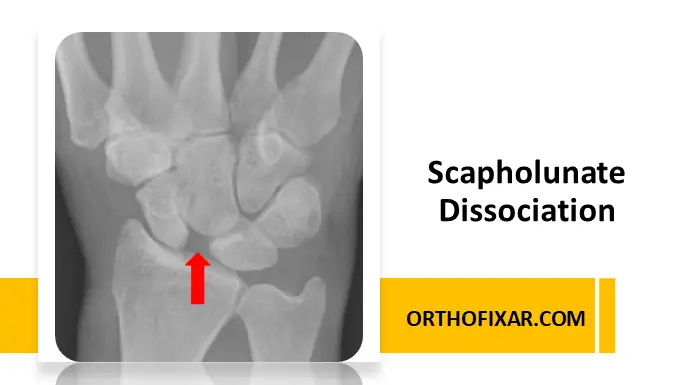
Scapholunate dissociation (SLD) is the most common and clinically significant ligament injury of the wrist. Often described as…
Read Full Entry →
Perilunate dislocations are among the most severe and commonly missed injuries of the wrist. These high-energy injuries disrupt…
Read Full Entry →
Capitate fractures are among the rarest injuries of the carpal bones, largely due to the capitate’s protected central…
Read Full Entry →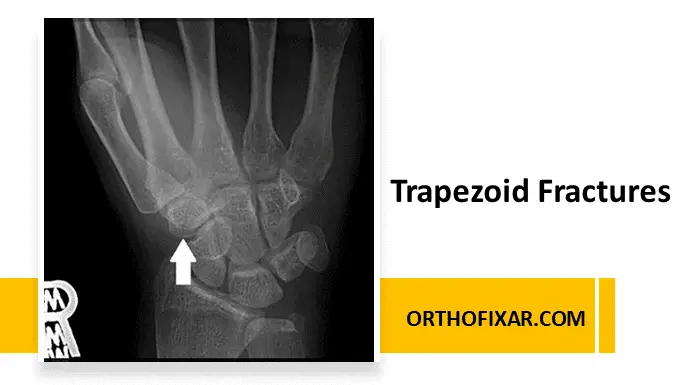
Trapezoid fractures are among the rarest injuries of the wrist, yet they require careful recognition and management to…
Read Full Entry →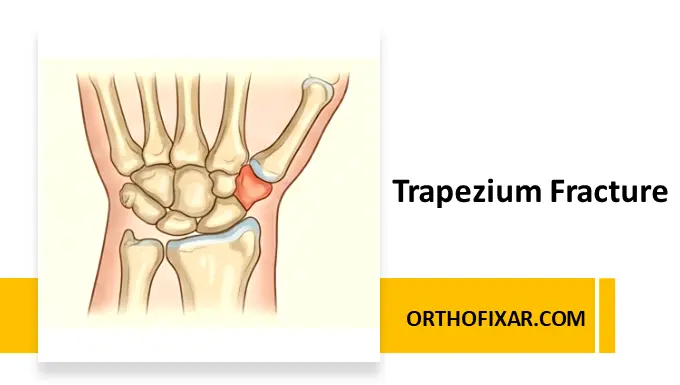
Trapezium fractures are relatively uncommon, accounting for approximately 3% to 5% of all carpal bone fractures. Despite their…
Read Full Entry →