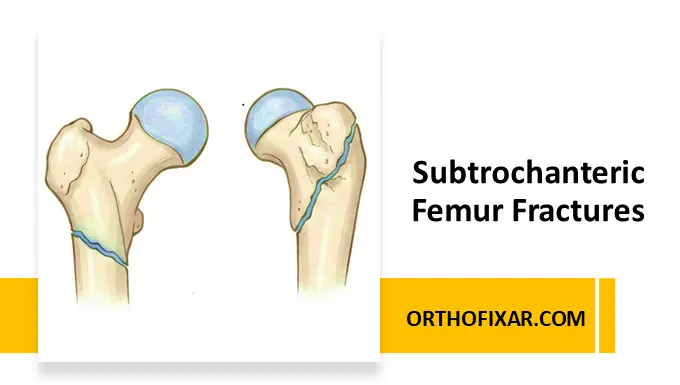
Subtrochanteric Femur Fractures
Subtrochanteric femur fractures account for 10–30% of all hip fractures and can occur across all age groups. The…
Read Full Entry →Explore the Orthofixar Database, a comprehensive medical & orthopedic surgery repository. Browse peer-reviewed clinical summaries across categories including Trauma, Pediatrics, Anatomy, Adult Reconstruction, Sports Medicine and much more medical categories. Stay updated with the latest clinical insights, diagnostic criteria, and treatment protocols.
Subtrochanteric femur fractures account for 10–30% of all hip fractures and can occur across all age groups. The…
Read Full Entry →
Greater trochanteric fractures are relatively rare injuries, typically affecting older adults. They involve the bony prominence of the…
Read Full Entry →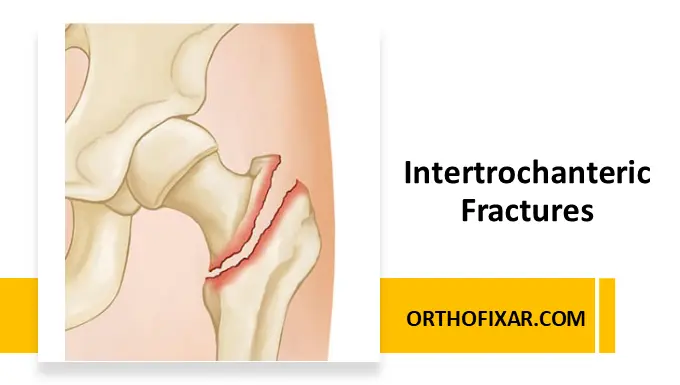
Intertrochanteric fractures are extracapsular fractures of the proximal femur occurring between the greater and lesser trochanters. These injuries…
Read Full Entry →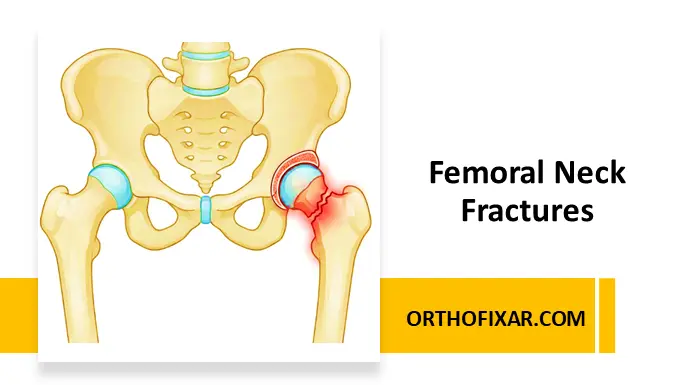
Femoral neck fractures are a subset of intracapsular hip fractures and represent a major clinical problem, particularly in…
Read Full Entry →
A femoral head fracture is a rare but severe orthopedic injury involving the articular surface of the femoral…
Read Full Entry →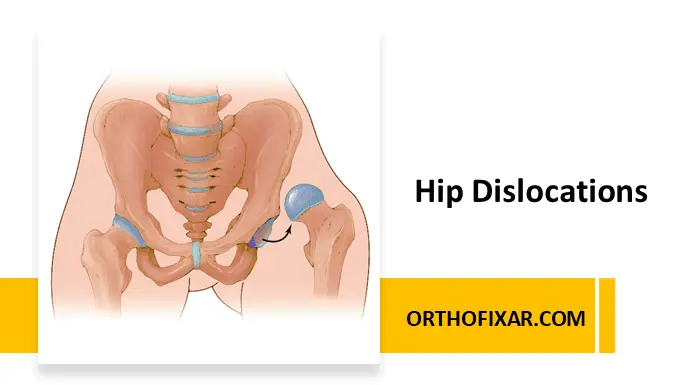
A hip dislocation is a serious orthopedic emergency in which the femoral head is displaced from the acetabulum…
Read Full Entry →
A proximal interphalangeal joint dislocation occurs when the middle joint of a finger is forced out of its…
Read Full Entry →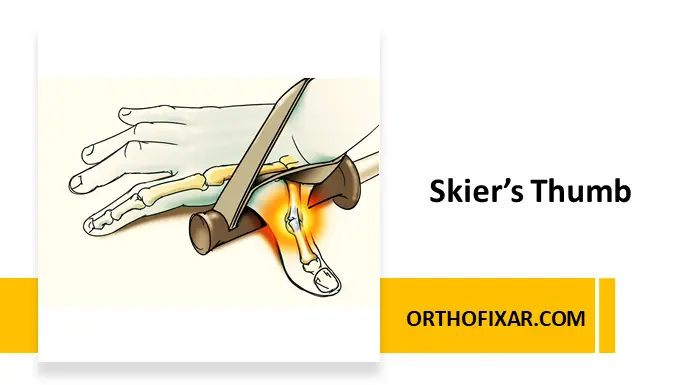
Skier’s thumb is an acute injury to the ulnar collateral ligament (UCL) of the thumb at the metacarpophalangeal…
Read Full Entry →
Jersey finger is a serious hand injury defined as an avulsion of the flexor digitorum profundus (FDP) tendon…
Read Full Entry →