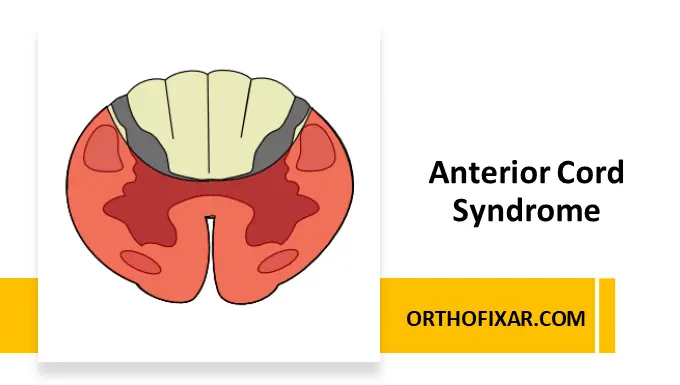
Anterior Cord Syndrome
Anterior Cord Syndrome (ACS)—also known as Anterior Spinal Artery Syndrome or ventral cord syndrome—is a form of incomplete…
Read Full Entry →Comprehensive learning resource on neurological disorders, covering nerve injuries, gait abnormalities, and neuropathic pain with clear medical explanations.
Anterior Cord Syndrome (ACS)—also known as Anterior Spinal Artery Syndrome or ventral cord syndrome—is a form of incomplete…
Read Full Entry →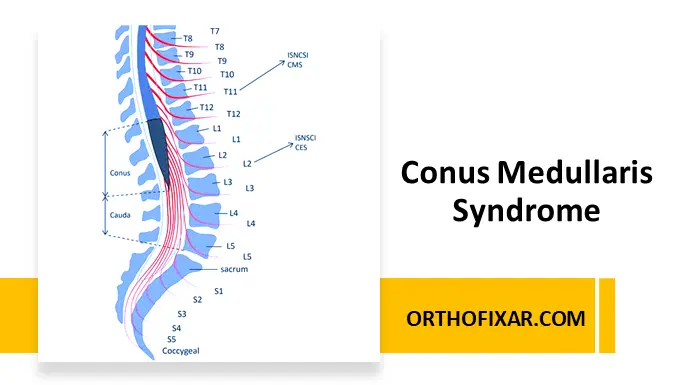
Conus medullaris syndrome (CMS) is a neurological condition resulting from injury to the terminal portion of the spinal…
Read Full Entry →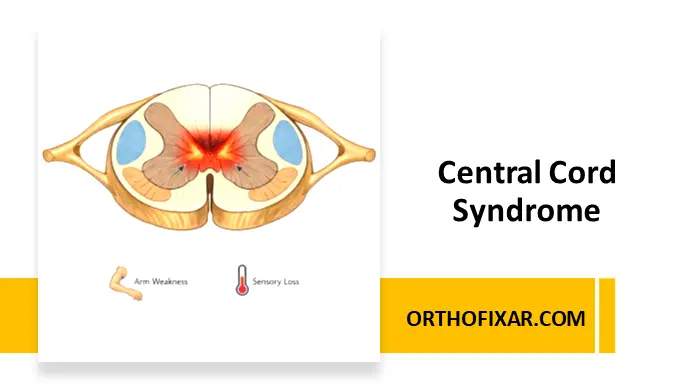
Central Cord Syndrome (CCS) is the most common form of incomplete spinal cord injury, characterized by disproportionately greater…
Read Full Entry →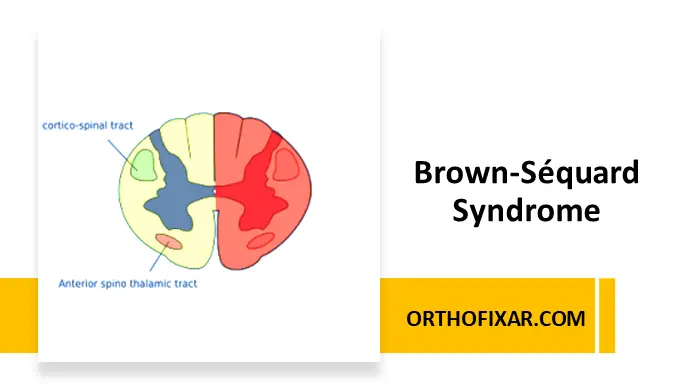
Brown-Séquard syndrome (BSS) is a rare but classic incomplete spinal cord injury caused by hemisection (damage to one…
Read Full Entry →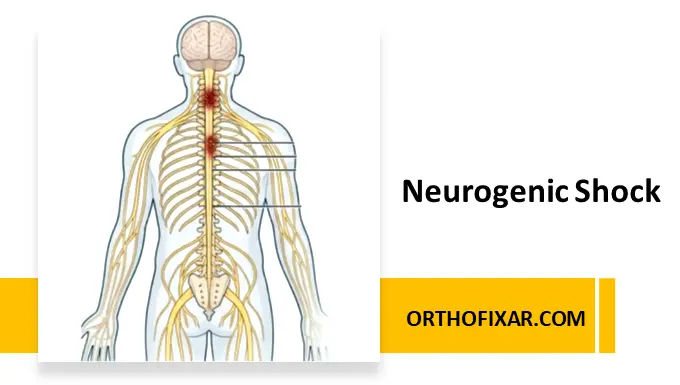
Neurogenic shock is a life-threatening type of distributive shock characterized by loss of sympathetic vascular tone, leading to…
Read Full Entry →
Ataxic gait is a neurologic gait abnormality characterized by impaired balance, poor coordination, and an unsteady walking pattern.…
Read Full Entry →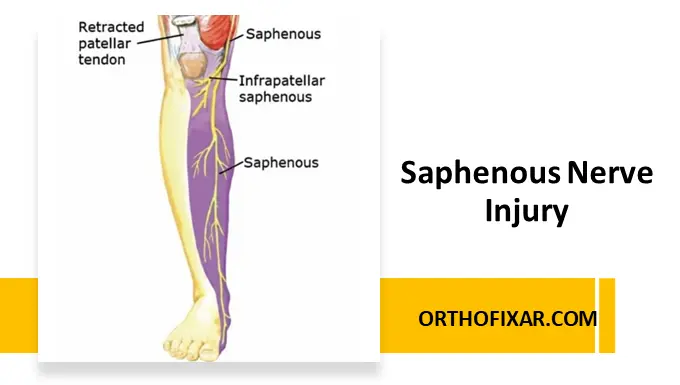
Saphenous Nerve Injury or entrapment is an underrecognized cause of medial knee and leg pain, particularly in postoperative…
Read Full Entry →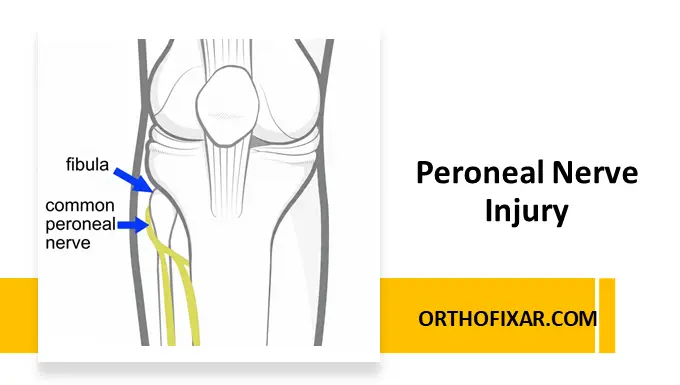
Peroneal nerve injury is a common peripheral neuropathy of the lower limb and an important cause of foot…
Read Full Entry →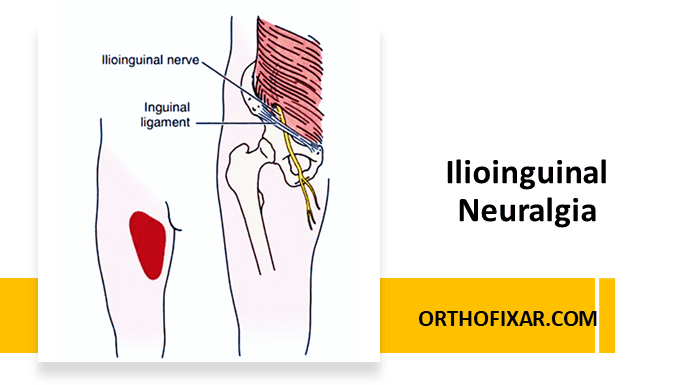
Ilioinguinal neuralgia is a neuropathic pain syndrome resulting from irritation, compression, or entrapment of the ilioinguinal nerve. This…
Read Full Entry →
Meralgia Paresthetica (MP) is a condition characterized by sensory disturbances, including burning pain, tingling, and numbness, over the…
Read Full Entry →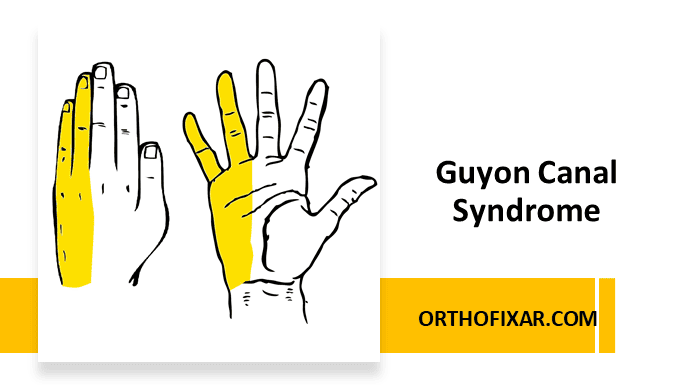
The Guyon canal (also called the pisohamate canal) is a fibro-osseous tunnel at the wrist where the ulnar…
Read Full Entry →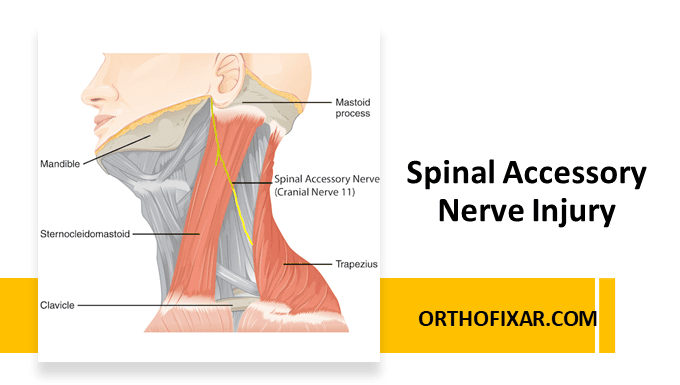
The spinal accessory nerve (cranial nerve XI) is a motor nerve that innervates the sternocleidomastoid and trapezius muscles.…
Read Full Entry →