Hyperparathyroidism: Causes, Symptoms, Diagnosis, X-Ray Findings, and Treatment
Hyperparathyroidism is an endocrine disorder characterized by excessive secretion of parathyroid hormone (PTH), a hormone that regulates calcium…
Read Full Entry →Explore the Orthofixar Database, a comprehensive medical & orthopedic surgery repository. Browse peer-reviewed clinical summaries across categories including Trauma, Pediatrics, Anatomy, Adult Reconstruction, Sports Medicine and much more medical categories. Stay updated with the latest clinical insights, diagnostic criteria, and treatment protocols.
Hyperparathyroidism is an endocrine disorder characterized by excessive secretion of parathyroid hormone (PTH), a hormone that regulates calcium…
Read Full Entry →
Hypercalcemia for clinicians: clinical features, differential diagnosis, PTH-based work-up, and emergency treatment with fluids, bisphosphonates and denosumab.
Read Full Entry →
Clinician review of hypophosphatasia: ALPL genetics, low ALP, adult stress fractures and pseudofractures, diagnostic criteria, and enzyme replacement…
Read Full Entry →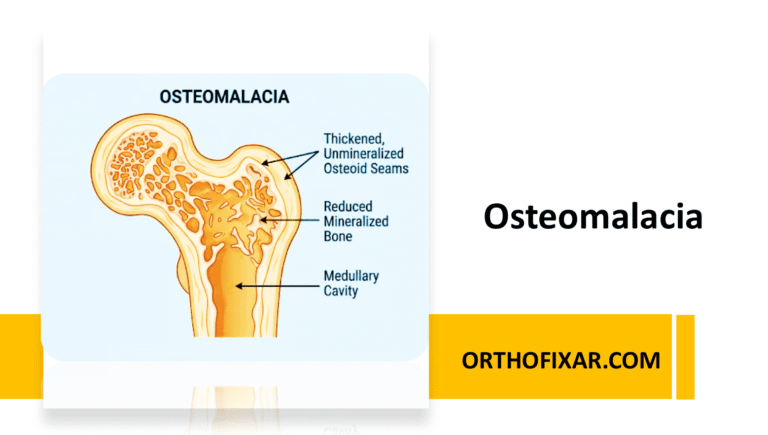
Learn the symptoms of osteomalacia, how Looser zones show up on X-ray, how vitamin D deficiency is prevented,…
Read Full Entry →
Rickets is a metabolic bone disorder affecting growing children and adolescents, characterized by defective mineralization of the growth…
Read Full Entry →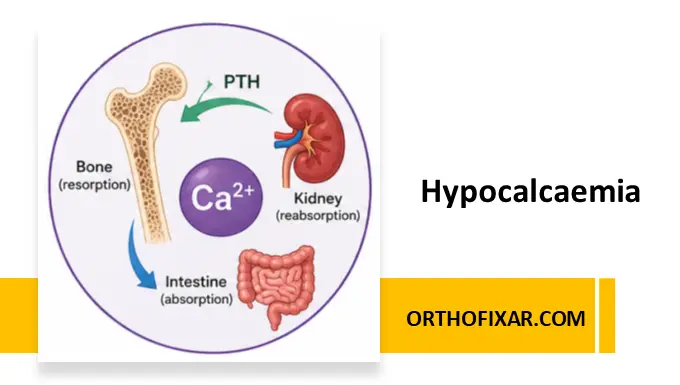
Hypocalcaemia is defined as a decreased concentration of serum calcium, usually a corrected total serum calcium below 2.1…
Read Full Entry →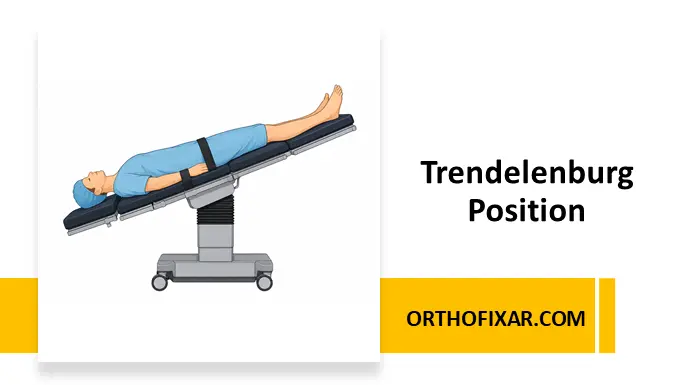
The Trendelenburg position is a patient positioning technique in which the individual lies supine on a tilted table…
Read Full Entry →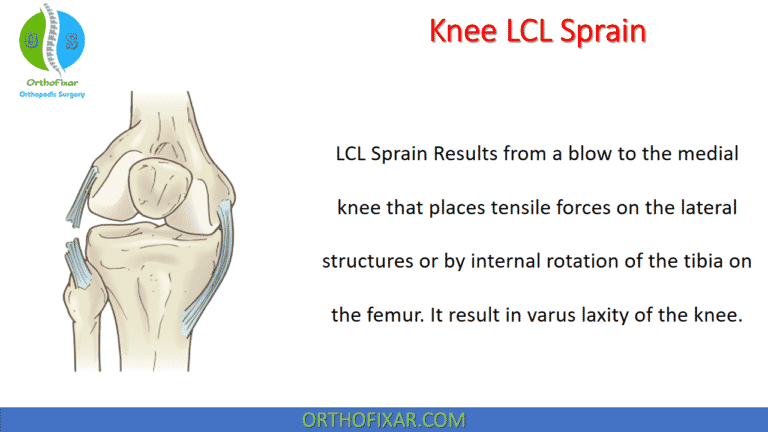
LCL Sprain Results from a blow to the medial knee that places tensile forces on the lateral structures…
Read Full Entry →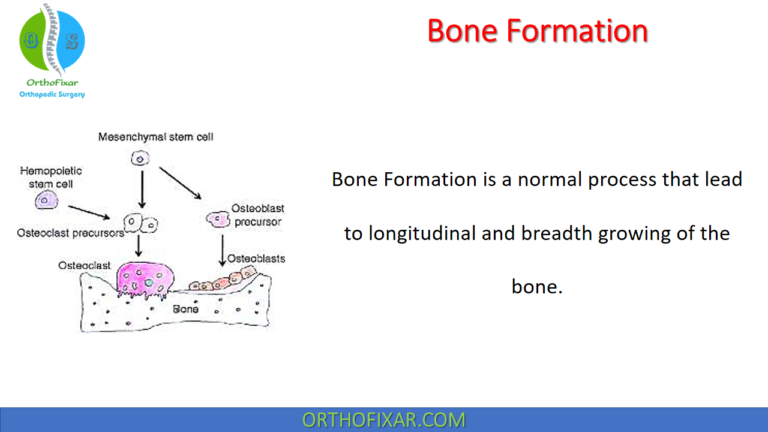
Bone Formation is a normal process that leads to longitudinal and breadth growing of the bone. It's called…
Read Full Entry →