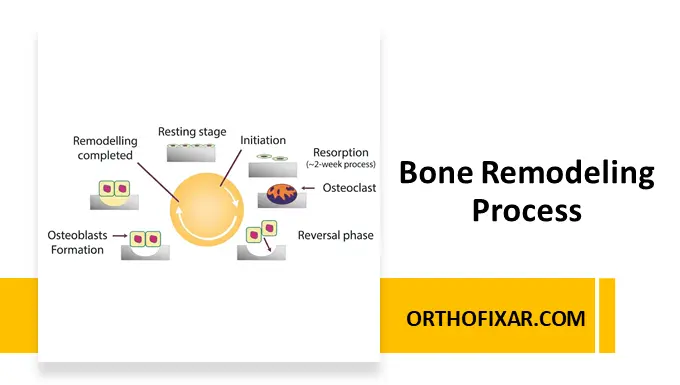
Bone Remodeling Process: Stages, Cells, Mechanisms & Clinical Significance
The bone remodeling process is a continuous physiological mechanism through which old or damaged bone is removed and…
Read Full Entry →Explore the Orthofixar Database, a comprehensive medical & orthopedic surgery repository. Browse peer-reviewed clinical summaries across categories including Trauma, Pediatrics, Anatomy, Adult Reconstruction, Sports Medicine and much more medical categories. Stay updated with the latest clinical insights, diagnostic criteria, and treatment protocols.
The bone remodeling process is a continuous physiological mechanism through which old or damaged bone is removed and…
Read Full Entry →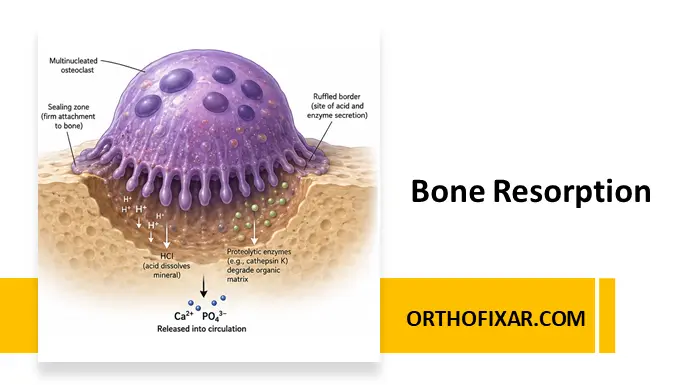
Bone resorption is a physiological process in which mature bone tissue is broken down by specialized cells known…
Read Full Entry →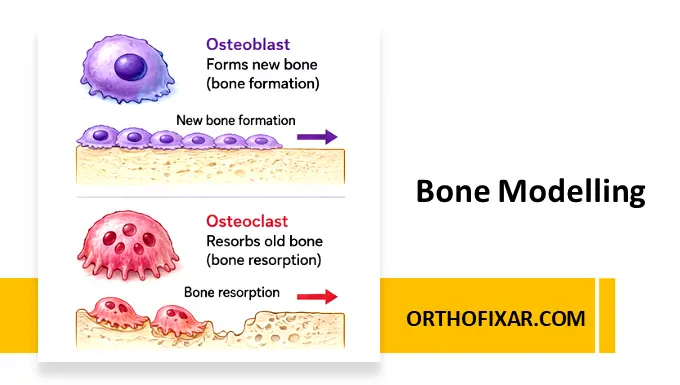
Bone modelling is a fundamental biological process responsible for changes in the size, shape, and structural organization of…
Read Full Entry →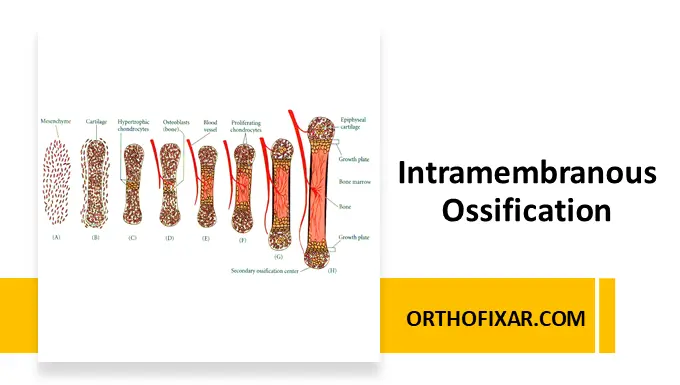
Intramembranous ossification is one of the two primary mechanisms of bone formation in the human body. Unlike endochondral…
Read Full Entry →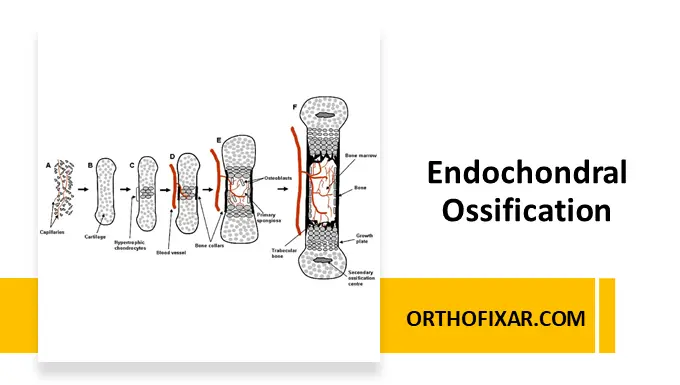
Endochondral ossification is the primary mechanism through which most bones of the human skeleton develop. It is responsible…
Read Full Entry →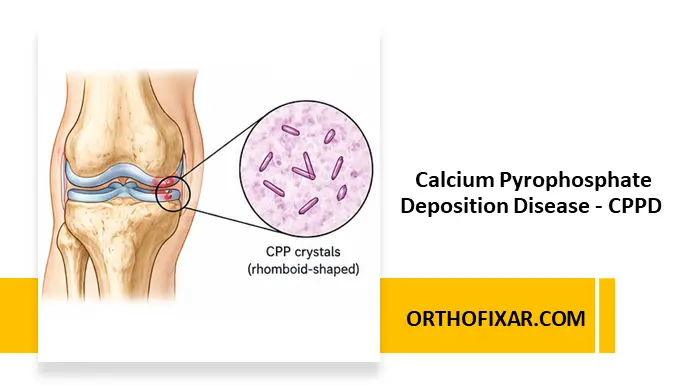
Calcium Pyrophosphate Deposition Disease (CPPD) is a crystal-induced arthropathy caused by the deposition of calcium pyrophosphate dihydrate (CPP)…
Read Full Entry →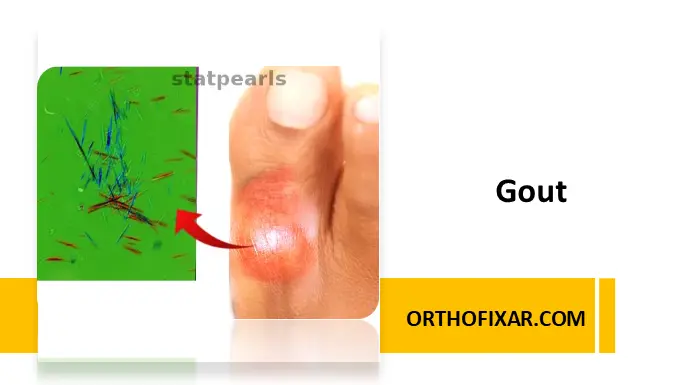
Gout is a common and potentially debilitating form of inflammatory arthritis caused by the accumulation of uric acid…
Read Full Entry →
Rheumatoid Arthritis (RA) is a chronic, systemic autoimmune disease characterized by persistent inflammation of the synovial joints. Unlike…
Read Full Entry →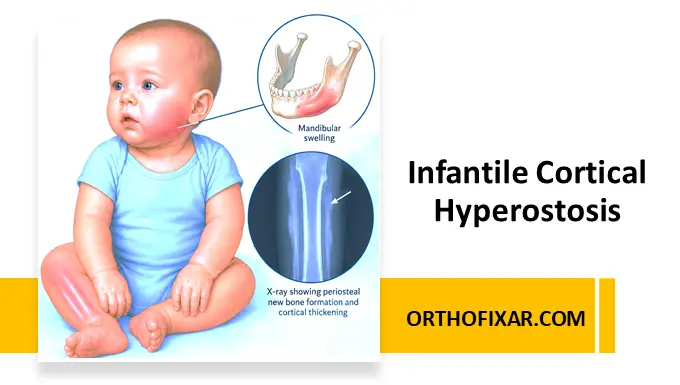
Infantile Cortical Hyperostosis (ICH), commonly known as Caffey Disease, is a rare self-limiting inflammatory bone disorder that primarily…
Read Full Entry →