
Trapezium Fracture
Trapezium fractures are relatively uncommon, accounting for approximately 3% to 5% of all carpal bone fractures. Despite their…
Read Full Entry →
Trapezium fractures are relatively uncommon, accounting for approximately 3% to 5% of all carpal bone fractures. Despite their…
Read Full Entry →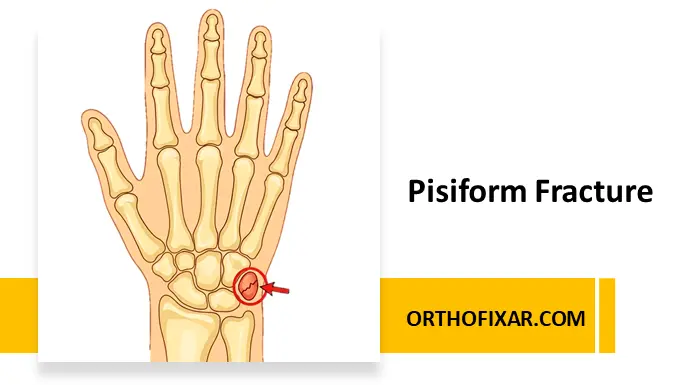
A pisiform fracture is an uncommon injury of the wrist that is frequently overlooked due to its subtle…
Read Full Entry →
A fracture of the Triquetrum bone is the second most common carpal injury after the Scaphoid bone. Despite…
Read Full Entry →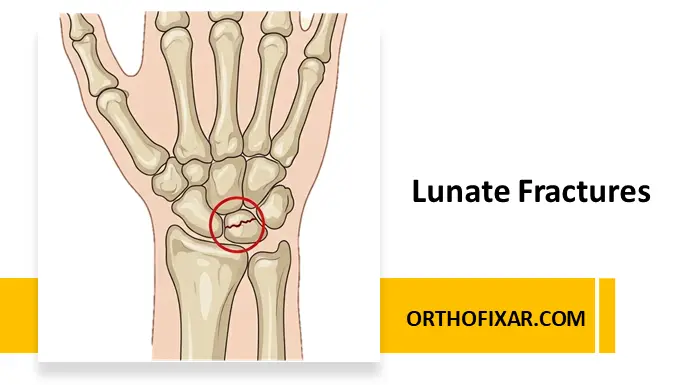
Lunate fractures are uncommon but clinically significant wrist injuries that require a high index of suspicion for accurate…
Read Full Entry →
Scaphoid fractures are among the most common wrist injuries encountered in emergency and outpatient settings, accounting for 50%…
Read Full Entry →
The scaphoid bone (os scaphoideum) is one of the most clinically significant carpal bones due to its unique…
Read Full Entry →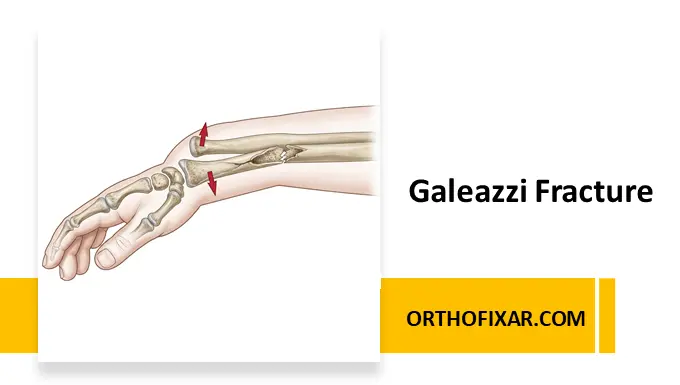
A Galeazzi fracture is a distinctive forearm injury characterized by a fracture of the distal or middle third…
Read Full Entry →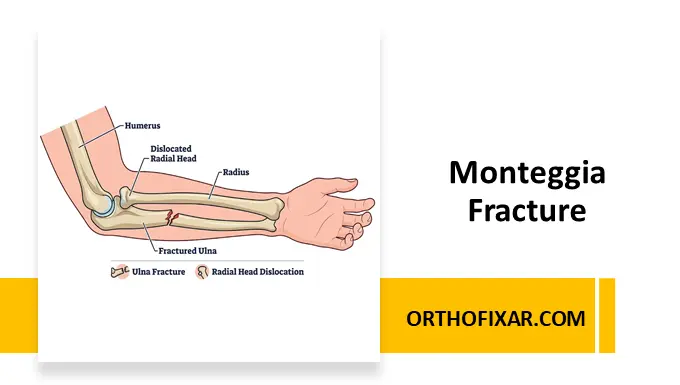
A Monteggia fracture is defined as a fracture of the proximal ulna associated with dislocation of the radial…
Read Full Entry →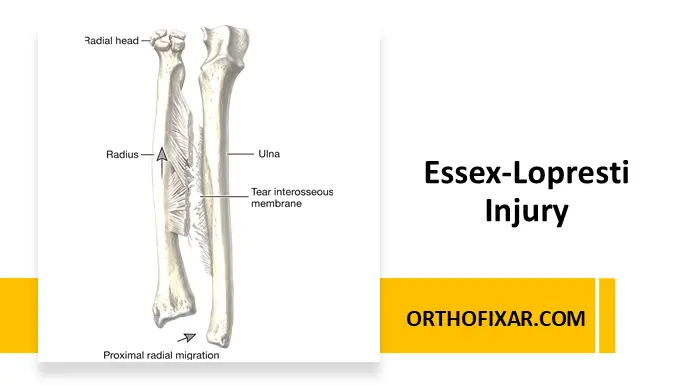
The Essex-Lopresti injury (ELI) is a severe and often underdiagnosed forearm injury characterized by a triad of: Radial…
Read Full Entry →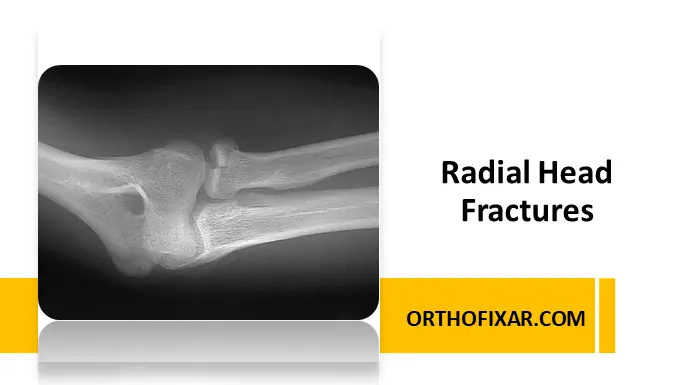
Radial head fractures are among the most common elbow injuries encountered in clinical practice. Proper diagnosis and management…
Read Full Entry →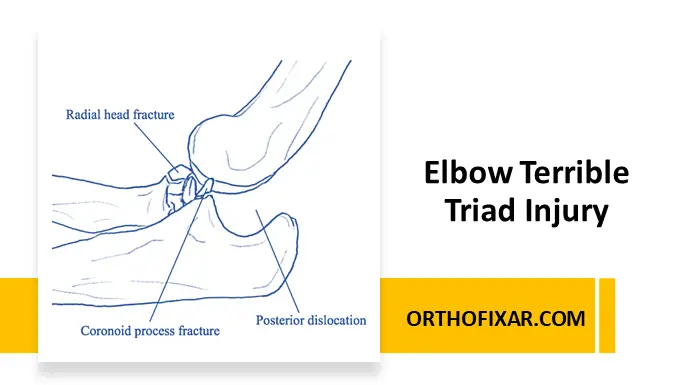
The terrible triad injury of the elbow is a severe and unstable fracture–dislocation pattern consisting of three key…
Read Full Entry →
Humeral shaft fractures are relatively common injuries (account for 3–5% of all fractures occurring in the human body)
Read Full Entry →