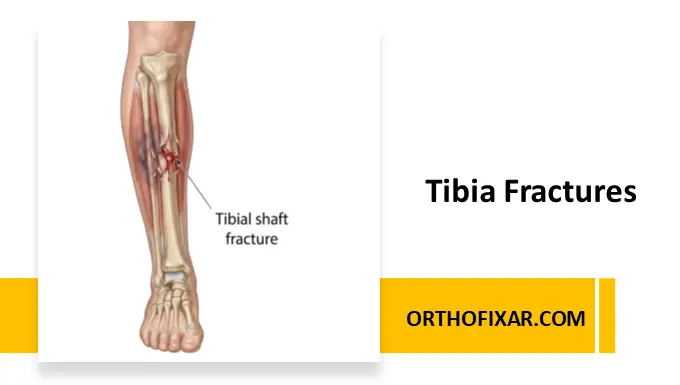
Tibia Fracture: Symptoms, Classification, Treatment
A tibia fracture is the most common long bone fracture, with an incidence of approximately 26 diaphyseal fractures…
Read Full Entry →
A tibia fracture is the most common long bone fracture, with an incidence of approximately 26 diaphyseal fractures…
Read Full Entry →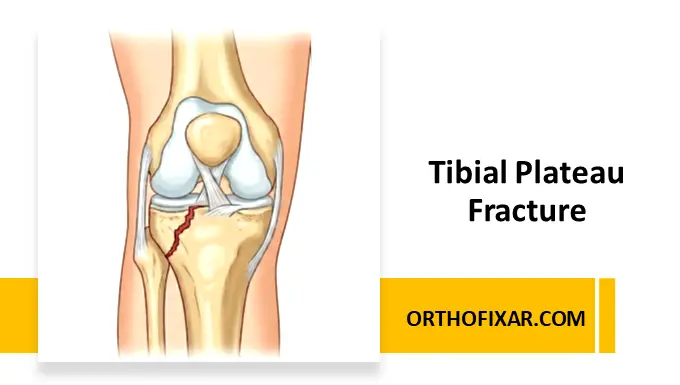
Tibial plateau fractures make up 1% of all fracture types. Among these fractures, bicondylar fractures make up 10–30%,…
Read Full Entry →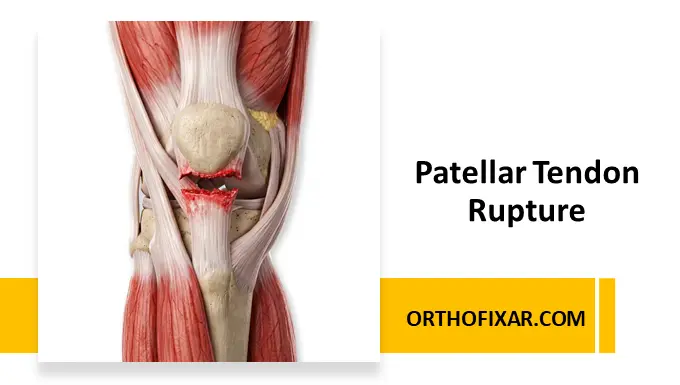
Patellar tendon rupture is a disabling injury that disrupts the knee’s extensor mechanism, resulting in loss of active…
Read Full Entry →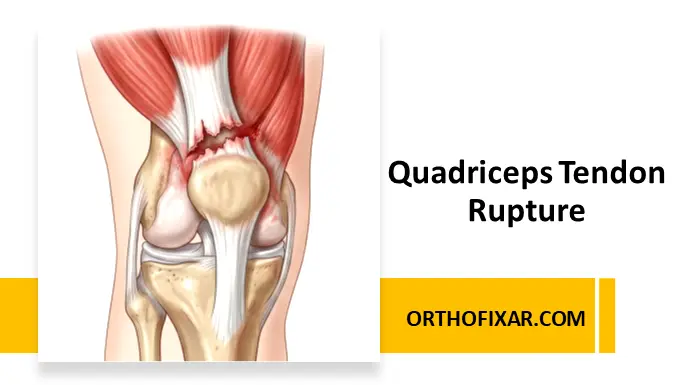
Quadriceps tendon rupture is an uncommon but disabling cause of acute knee pain that disrupts the extensor mechanism.…
Read Full Entry →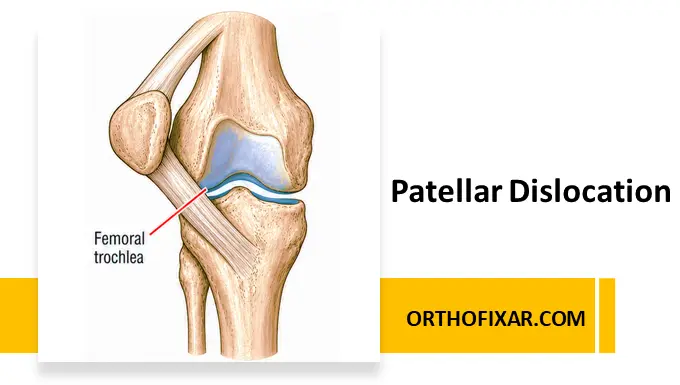
Traumatic Patellar dislocation is more common in women owing to physiological laxity and in patients with connective tissue…
Read Full Entry →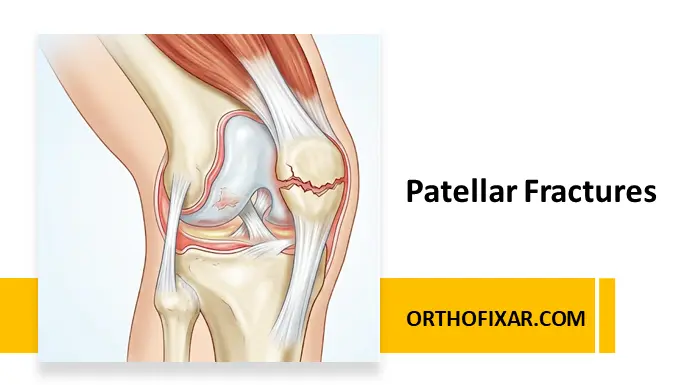
Patellar fractures represent approximately 1% of all skeletal injuries and are frequently observed within the age range of…
Read Full Entry →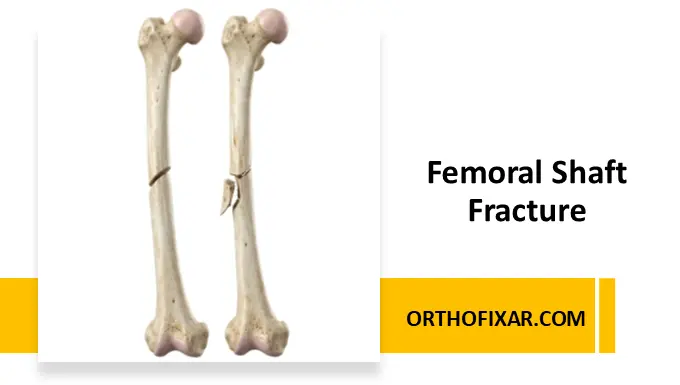
A femoral shaft fracture is a serious orthopedic injury involving the diaphysis of the femur—the longest and strongest…
Read Full Entry →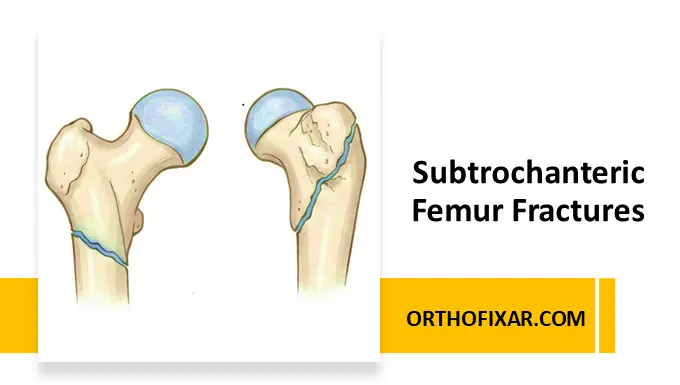
Subtrochanteric femur fractures account for 10–30% of all hip fractures and can occur across all age groups. The…
Read Full Entry →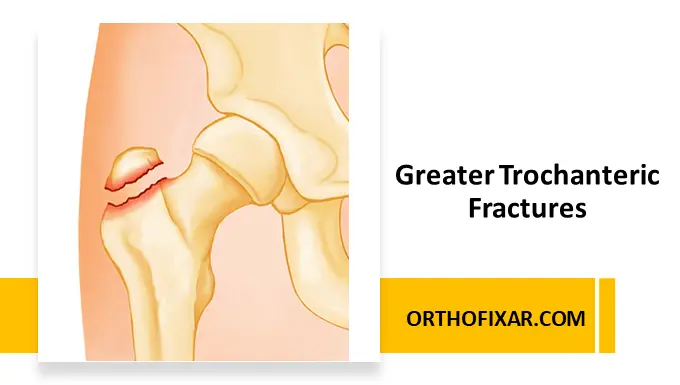
Greater trochanteric fractures are relatively rare injuries, typically affecting older adults. They involve the bony prominence of the…
Read Full Entry →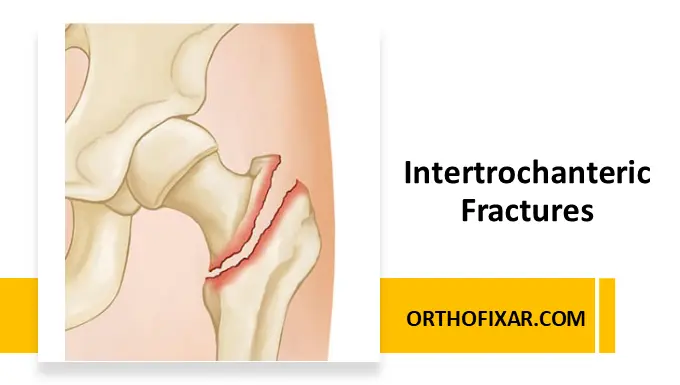
Intertrochanteric fractures are extracapsular fractures of the proximal femur occurring between the greater and lesser trochanters. These injuries…
Read Full Entry →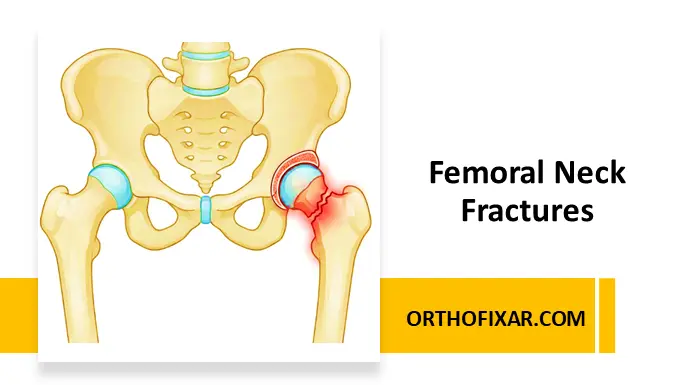
Femoral neck fractures are a subset of intracapsular hip fractures and represent a major clinical problem, particularly in…
Read Full Entry →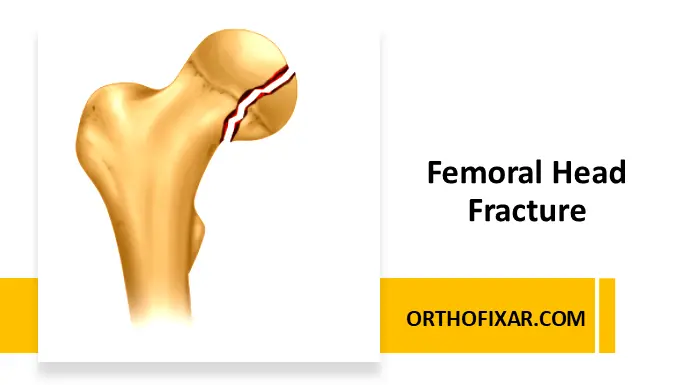
A femoral head fracture is a rare but severe orthopedic injury involving the articular surface of the femoral…
Read Full Entry →