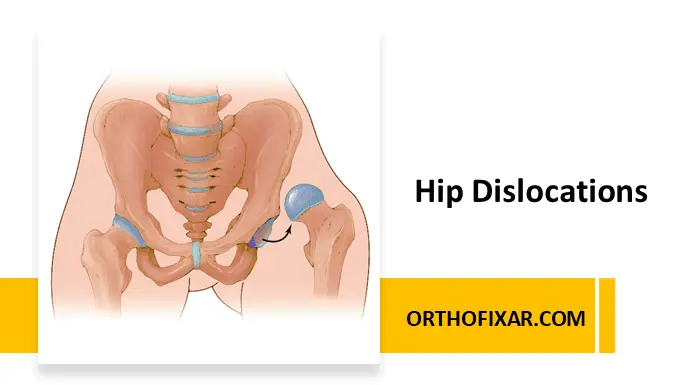
Adult Hip Dislocations: Causes, Symptoms, Emergency Treatment
A hip dislocation is a serious orthopedic emergency in which the femoral head is displaced from the acetabulum…
Read Full Entry →
A hip dislocation is a serious orthopedic emergency in which the femoral head is displaced from the acetabulum…
Read Full Entry →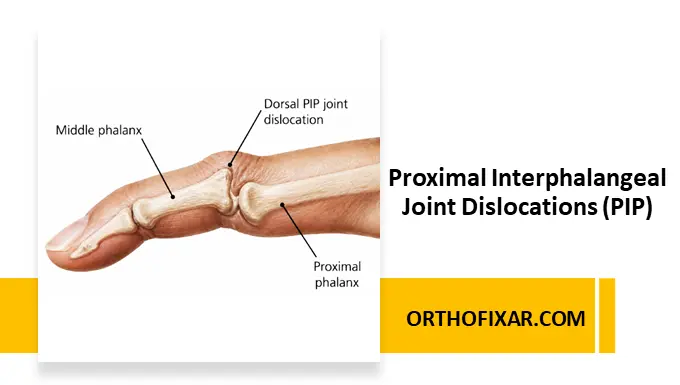
A proximal interphalangeal joint dislocation occurs when the middle joint of a finger is forced out of its…
Read Full Entry →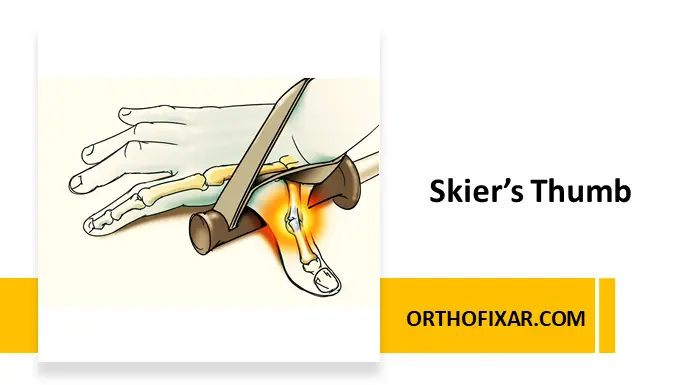
Skier’s thumb is an acute injury to the ulnar collateral ligament (UCL) of the thumb at the metacarpophalangeal…
Read Full Entry →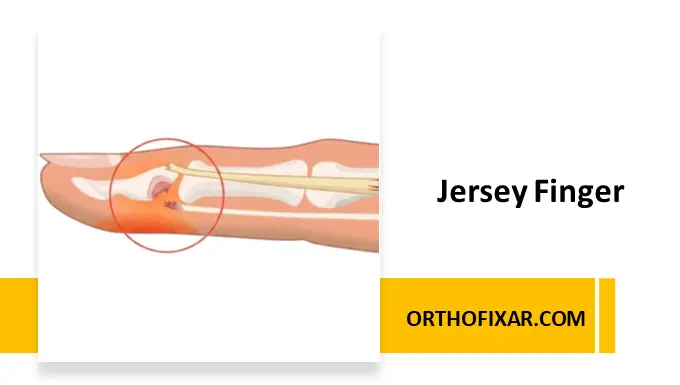
Jersey finger is a serious hand injury defined as an avulsion of the flexor digitorum profundus (FDP) tendon…
Read Full Entry →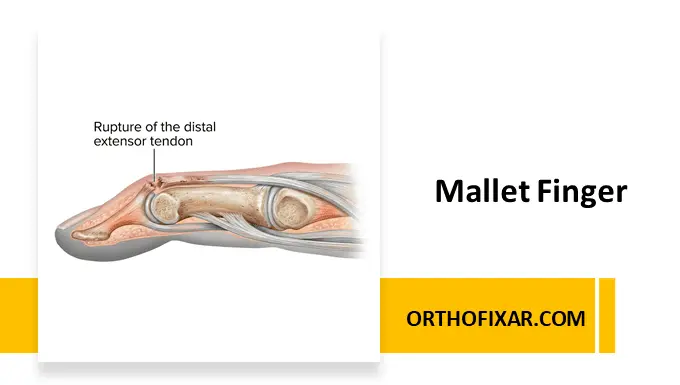
Mallet finger is a common hand injury characterized by the inability to actively extend the distal interphalangeal (DIP)…
Read Full Entry →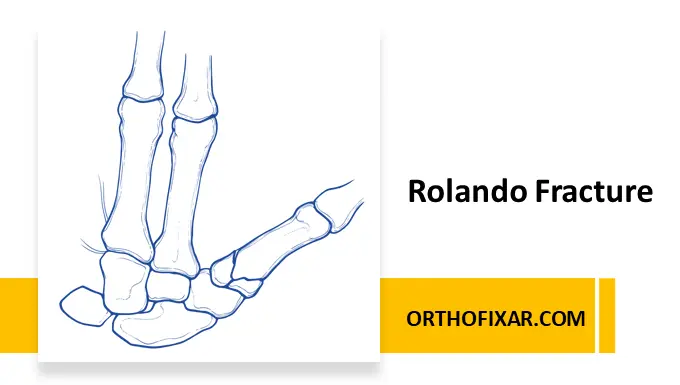
A Rolando fracture is a comminuted intra-articular fracture at the base of the first metacarpal (thumb). It typically…
Read Full Entry →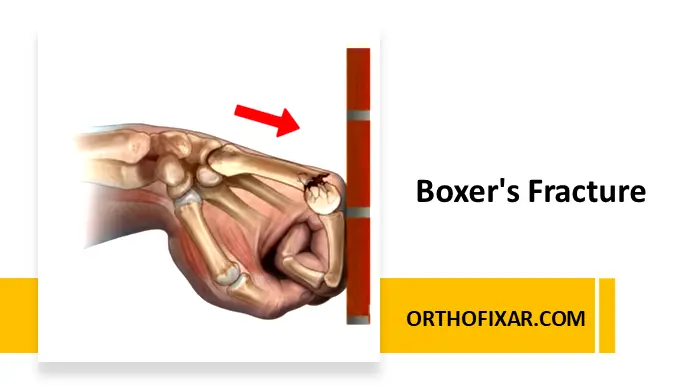
A Boxer’s fracture refers to a fracture of the neck of the fifth metacarpal, typically caused by axial…
Read Full Entry →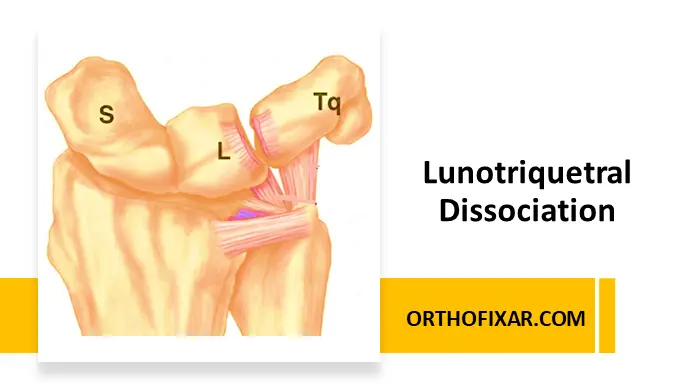
Lunotriquetral dissociation (LT dissociation) is a significant but often underdiagnosed cause of ulnar-sided wrist pain. As part of…
Read Full Entry →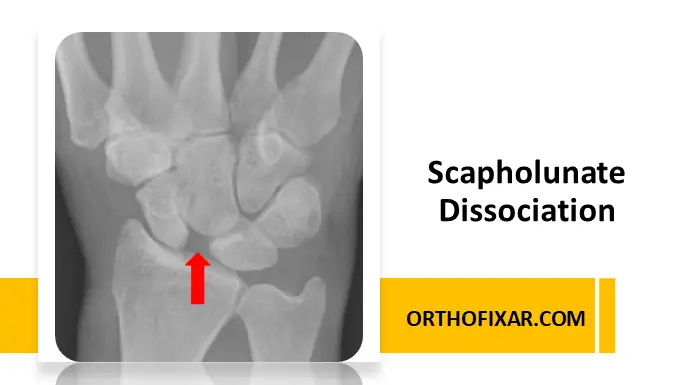
Scapholunate dissociation (SLD) is the most common and clinically significant ligament injury of the wrist. Often described as…
Read Full Entry →
Perilunate dislocations are among the most severe and commonly missed injuries of the wrist. These high-energy injuries disrupt…
Read Full Entry →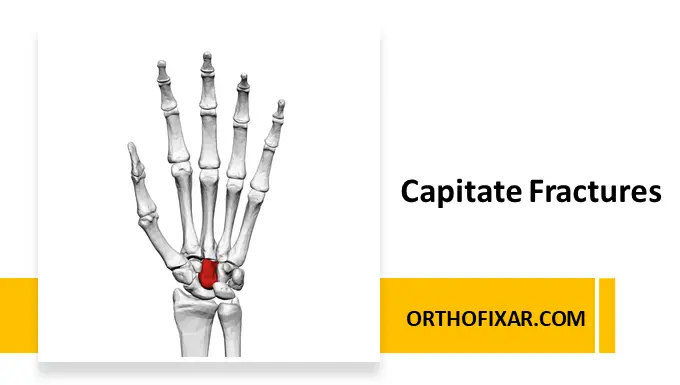
Capitate fractures are among the rarest injuries of the carpal bones, largely due to the capitate’s protected central…
Read Full Entry →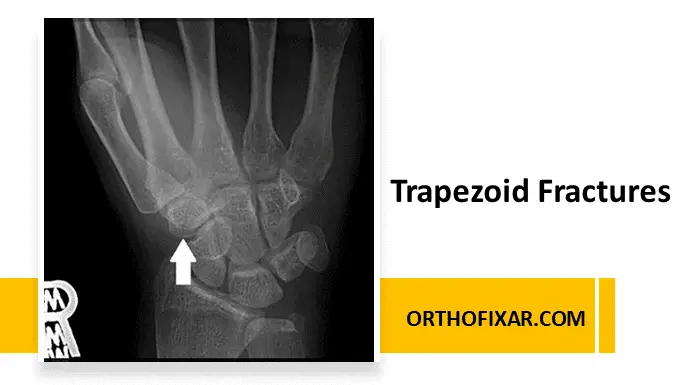
Trapezoid fractures are among the rarest injuries of the wrist, yet they require careful recognition and management to…
Read Full Entry →