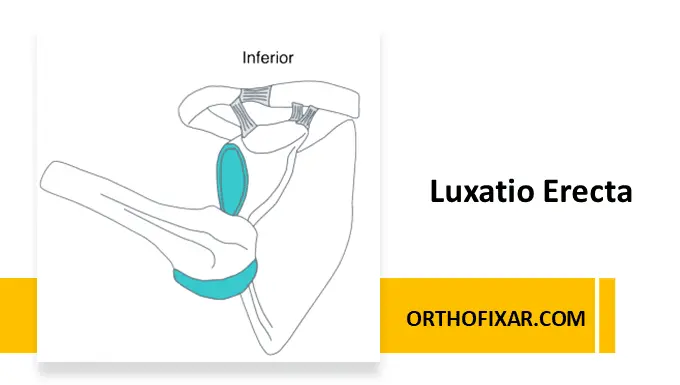
Luxatio Erecta (Inferior Shoulder Dislocation)
Luxatio erecta, also known as inferior glenohumeral dislocation, is a very rare form of shoulder dislocation. Although uncommon,…
Read Full Entry →
Luxatio erecta, also known as inferior glenohumeral dislocation, is a very rare form of shoulder dislocation. Although uncommon,…
Read Full Entry →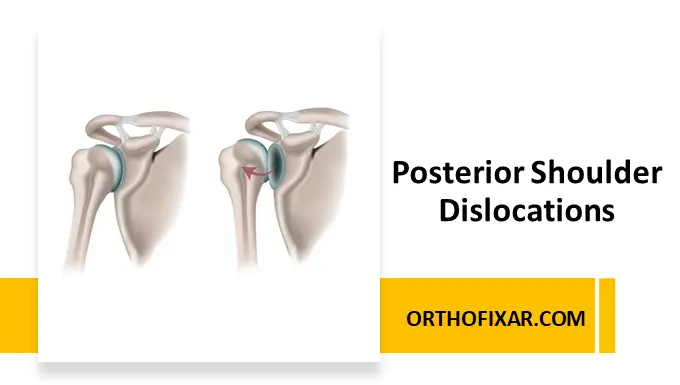
Posterior Glenohumeral Dislocation is an uncommon but clinically important shoulder injury. Despite its rarity, it carries a high…
Read Full Entry →
Anterior glenohumeral dislocation is the most common type of shoulder dislocation, accounting for approximately 96% of all cases.…
Read Full Entry →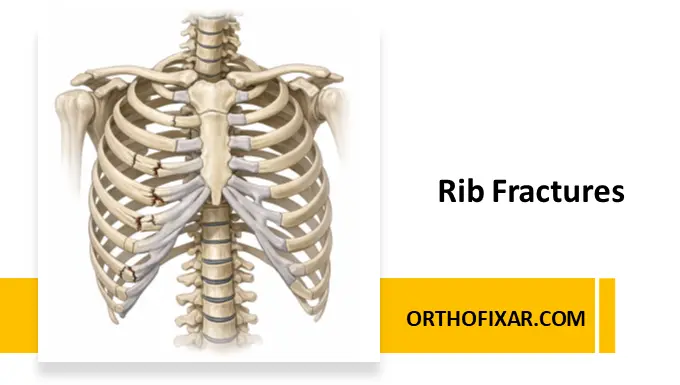
Rib fractures are the most common thoracic injury encountered in trauma care. They range from simple, isolated fractures…
Read Full Entry →
Scapulothoracic dissociation is a rare but devastating traumatic injury characterized by disruption of the scapula from the posterior…
Read Full Entry →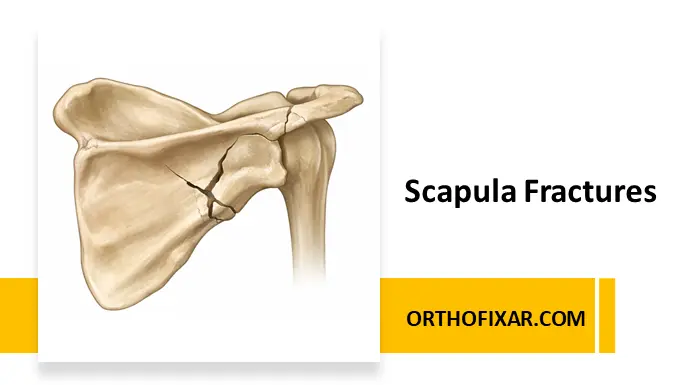
Scapula fractures are uncommon but clinically significant injuries, typically associated with high-energy trauma and a high incidence of…
Read Full Entry →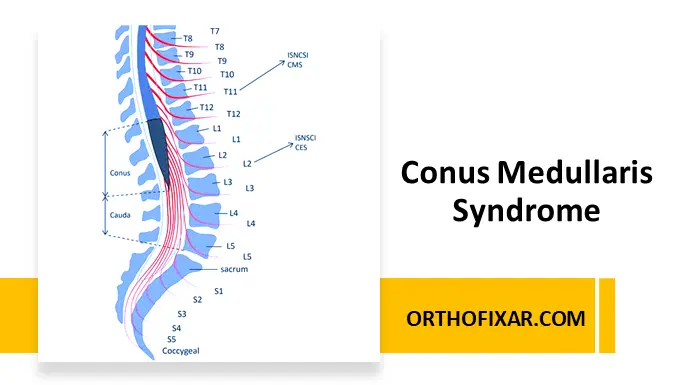
Conus medullaris syndrome (CMS) is a neurological condition resulting from injury to the terminal portion of the spinal…
Read Full Entry →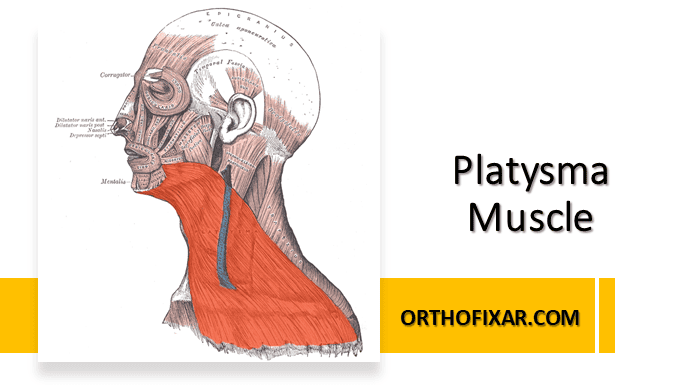
The platysma (G. flat plate) is a broad, thin sheet of muscle in the subcutaneous tissue of the…
Read Full Entry →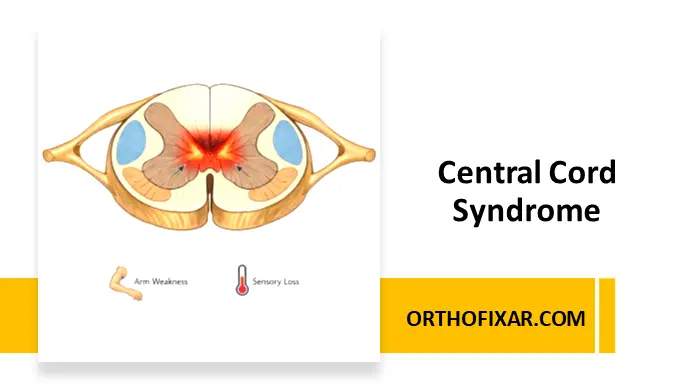
Central Cord Syndrome (CCS) is the most common form of incomplete spinal cord injury, characterized by disproportionately greater…
Read Full Entry →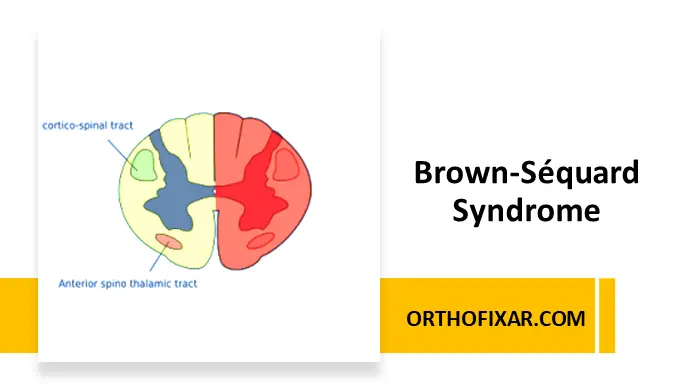
Brown-Séquard syndrome (BSS) is a rare but classic incomplete spinal cord injury caused by hemisection (damage to one…
Read Full Entry →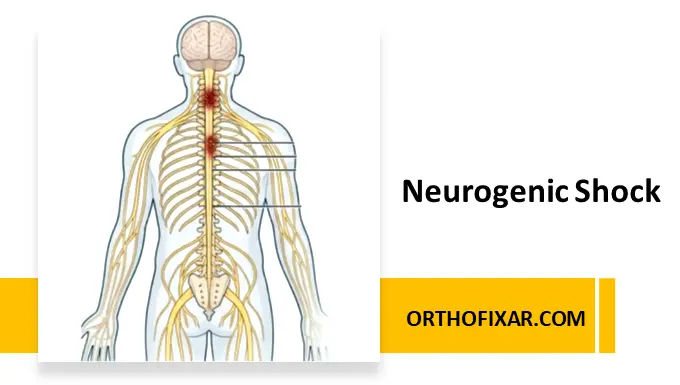
Neurogenic shock is a life-threatening type of distributive shock characterized by loss of sympathetic vascular tone, leading to…
Read Full Entry →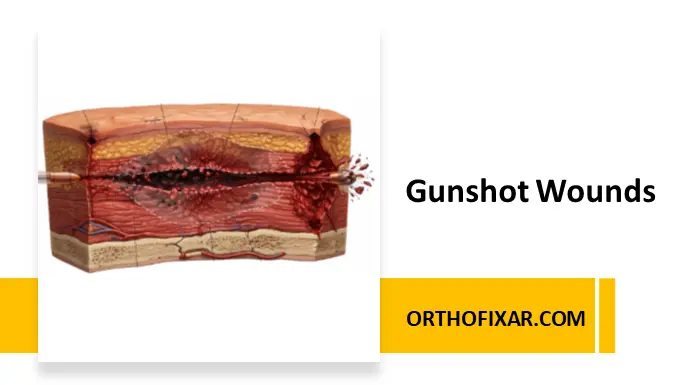
Gunshot wounds (GSWs) represent complex traumatic injuries with highly variable clinical presentations. Their severity depends on ballistic characteristics,…
Read Full Entry →