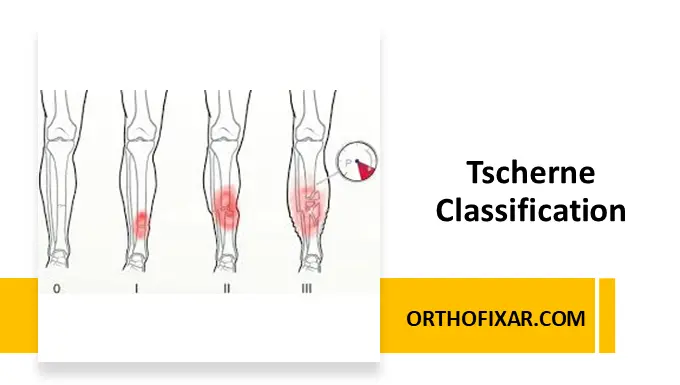
Tscherne Classification of Soft Tissue Injury
The Tscherne classification is a widely used orthopedic system for grading soft tissue injury associated with fractures, particularly…
Read Full Entry →
The Tscherne classification is a widely used orthopedic system for grading soft tissue injury associated with fractures, particularly…
Read Full Entry →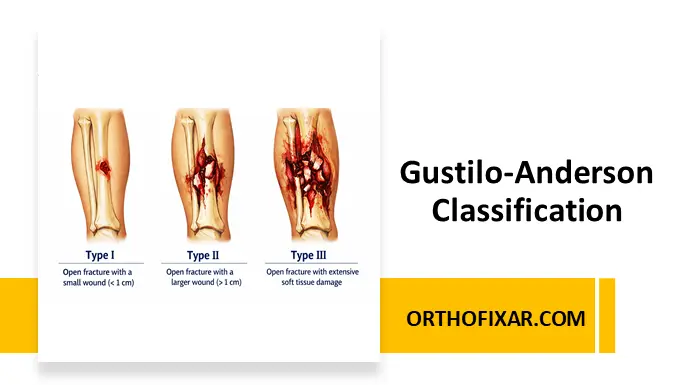
The Gustilo-Anderson classification remains the most widely used system for categorizing open fractures based on wound size, soft…
Read Full Entry →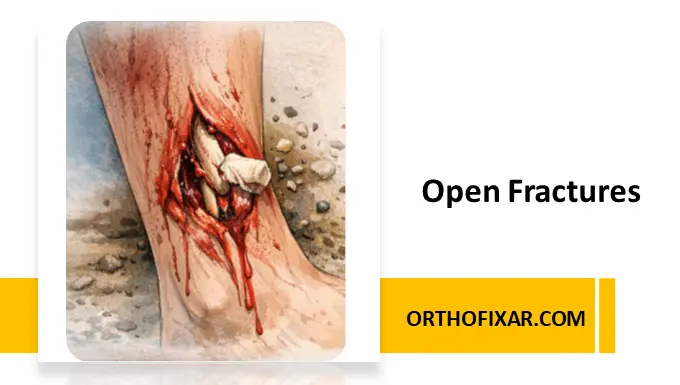
An open fracture is an osseous injury in which a break in the skin and underlying soft tissue…
Read Full Entry →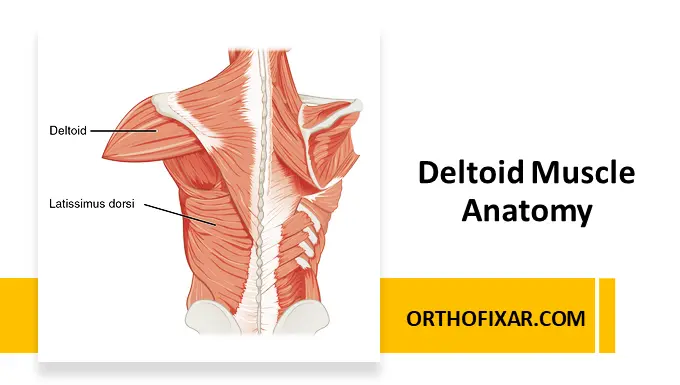
The deltoid muscle is a large triangular-shaped muscle located in the proximal upper extremity. It forms the rounded…
Read Full Entry →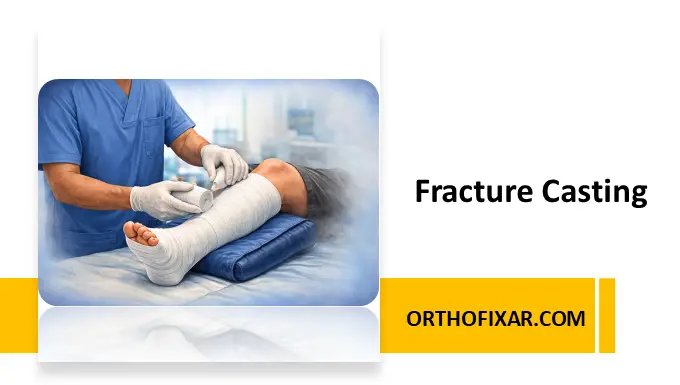
Fracture casting remains a cornerstone of non-operative orthopedic management. The primary goal of casting is to provide semirigid…
Read Full Entry →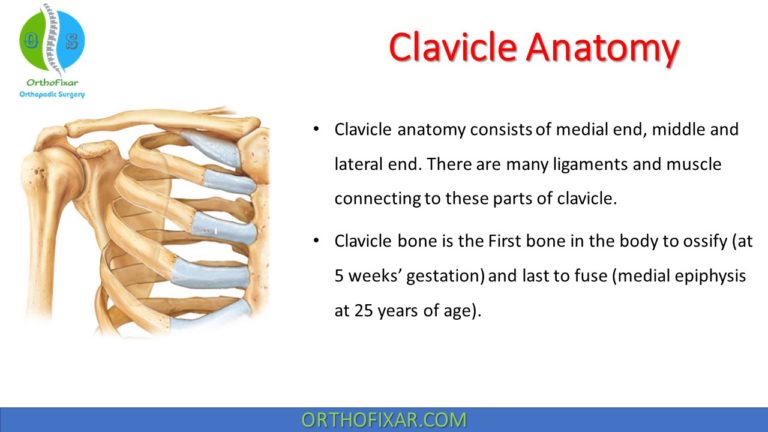
Clavicle anatomy consists of medial end, middle and lateral end. There are many ligaments and muscles connecting to…
Read Full Entry →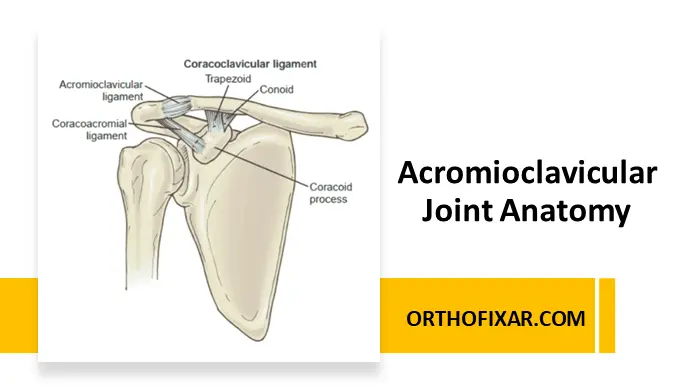
The acromioclavicular (AC) joint is a key anatomical structure of the shoulder girdle, playing a crucial role in…
Read Full Entry →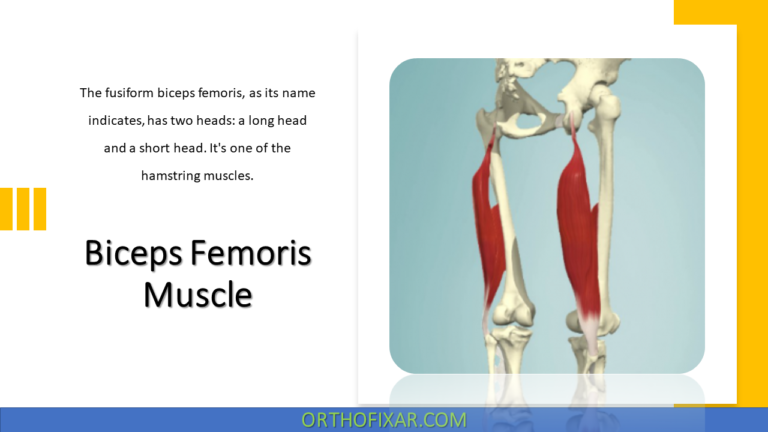
The hamstring muscles are (1) semitendinosus, (2) semimembranosus, and (3) biceps femoris (long head). The hamstring muscles (“hamstrings”…
Read Full Entry →
Arterial insufficiency is a vascular disorder characterized by reduced or obstructed blood flow through the arterial system, resulting…
Read Full Entry →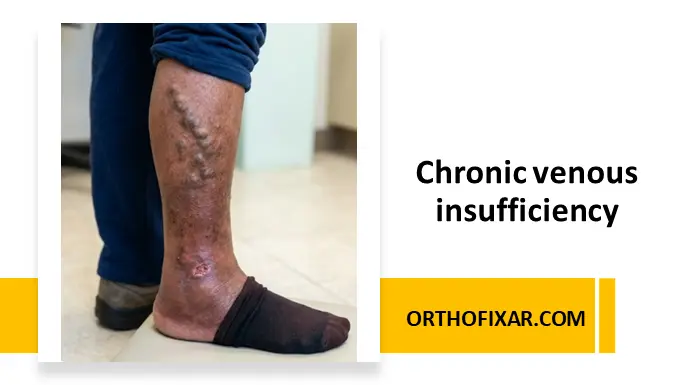
Chronic venous insufficiency (CVI) is a progressive vascular disorder characterized by impaired venous return, most commonly due to…
Read Full Entry →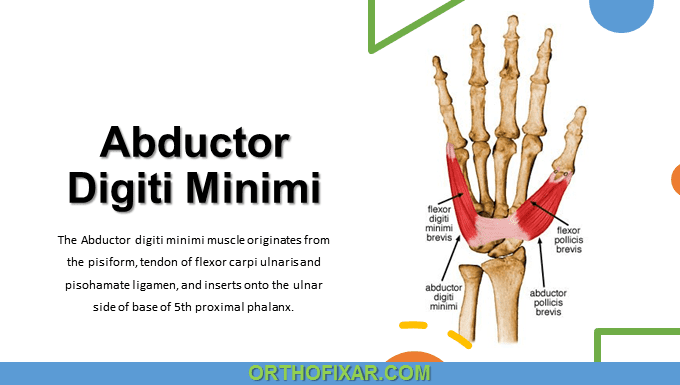
The hypothenar muscles (abductor digiti minimi, flexor digiti minimi brevis, and opponens digiti minimi) produce the hypothenar eminence…
Read Full Entry →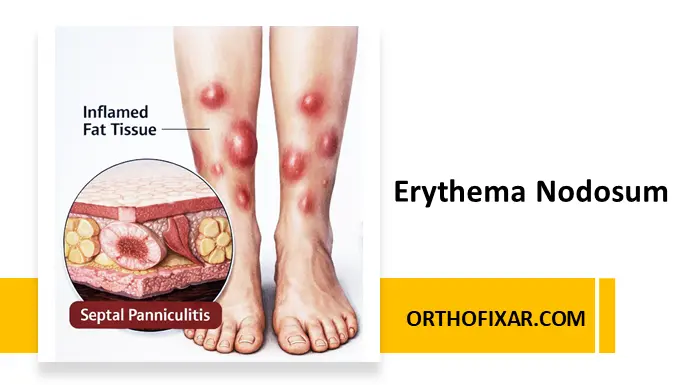
Erythema nodosum (EN) is the most common form of panniculitis, characterized by inflammation of subcutaneous fat tissue. It…
Read Full Entry →