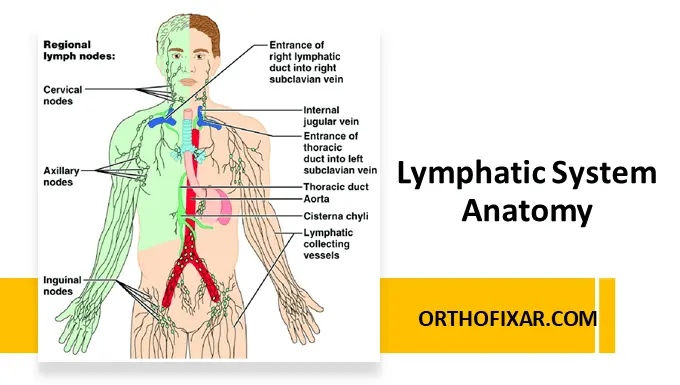
Lymphatic System Anatomy
The lymphatic system is an extensive vascular drainage network that collects excess interstitial fluid, plasma proteins, cellular debris,…
Read Full Entry →
The lymphatic system is an extensive vascular drainage network that collects excess interstitial fluid, plasma proteins, cellular debris,…
Read Full Entry →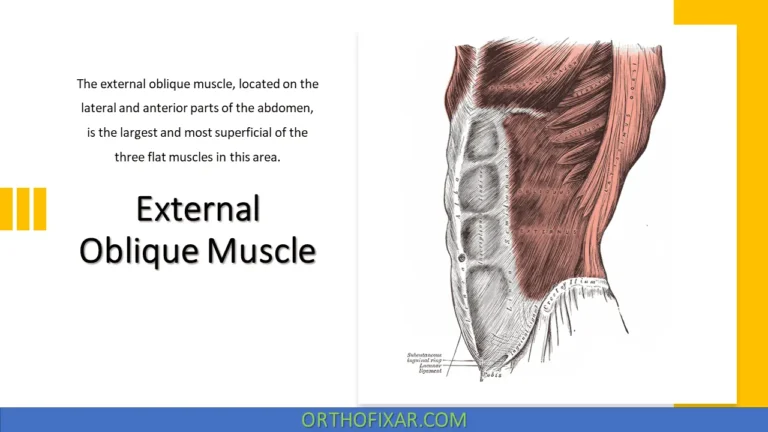
The external oblique muscle, located on the lateral and anterior parts of the abdomen, is the largest and…
Read Full Entry →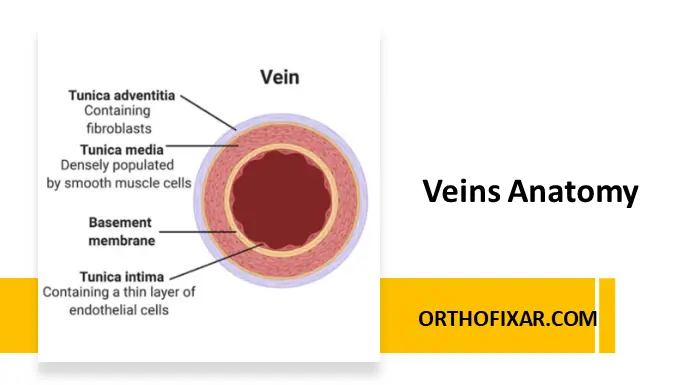
Veins are an essential component of the cardiovascular system, responsible for returning deoxygenated blood back to the heart.…
Read Full Entry →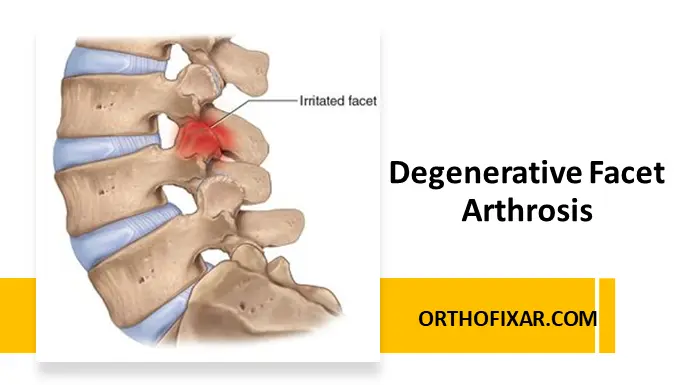
Degenerative facet arthrosis, also known as facet joint osteoarthritis, is a chronic degenerative condition affecting the facet joints…
Read Full Entry →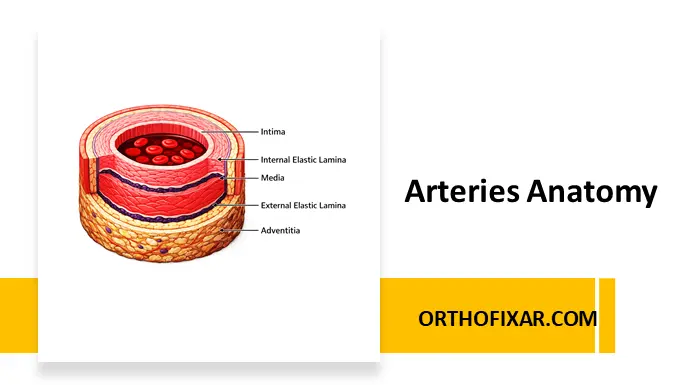
Arteries are the high‑pressure conduits that deliver oxygen‑rich blood from the heart to the systemic circulation. Understanding their…
Read Full Entry →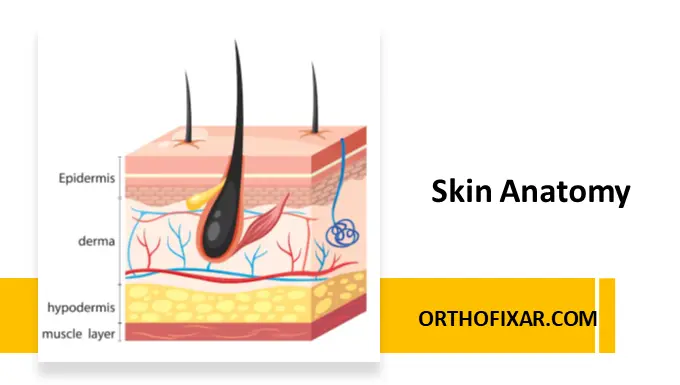
The skin is not merely a protective covering—it is a complex, multifunctional organ essential for survival, homeostasis, and…
Read Full Entry →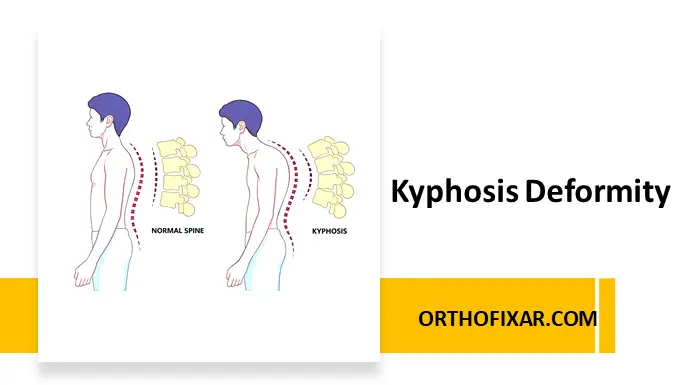
Kyphosis is defined as a posterior curvature of the spine, most commonly involving the thoracic spine. While a…
Read Full Entry →
Swayback deformity is a postural deviation characterized by abnormal sagittal plane alignment involving the pelvis, lumbar spine, and…
Read Full Entry →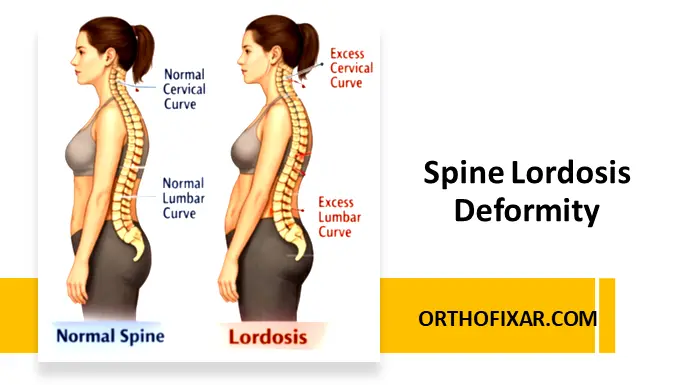
Lordosis refers to an anterior (inward) curve of the spine, commonly affecting the cervical spine curve and the…
Read Full Entry →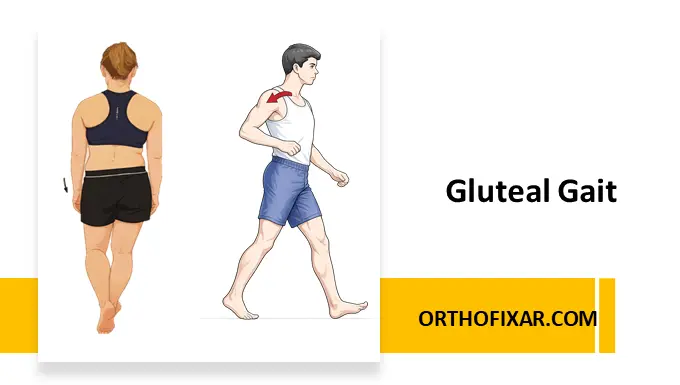
Gluteal gait is an abnormal walking pattern resulting from weakness or dysfunction of the gluteal muscles, which play…
Read Full Entry →
Equinus gait, commonly referred to as toe walking or tiptoe gait, is a pathological gait pattern most frequently…
Read Full Entry →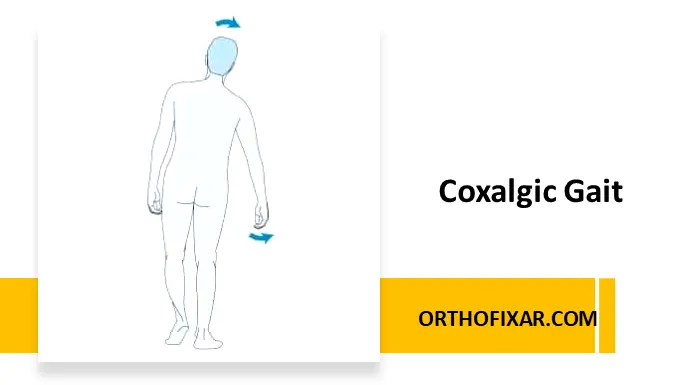
Coxalgic gait is a common abnormal walking pattern encountered in patients with hip pathology, particularly degenerative conditions such…
Read Full Entry →