Boxer’s Fracture: Symptoms, Causes & Treatment
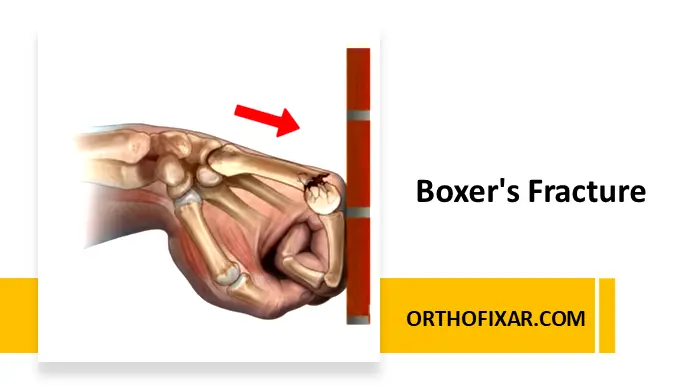
A Boxer’s fracture refers to a fracture of the neck of the fifth metacarpal, typically caused by axial…
Read Full Entry →Topics in orthopedic trauma surgery. Fractures, dislocation and injuries of the upper and lower limbs.
A Boxer’s fracture refers to a fracture of the neck of the fifth metacarpal, typically caused by axial…
Read Full Entry →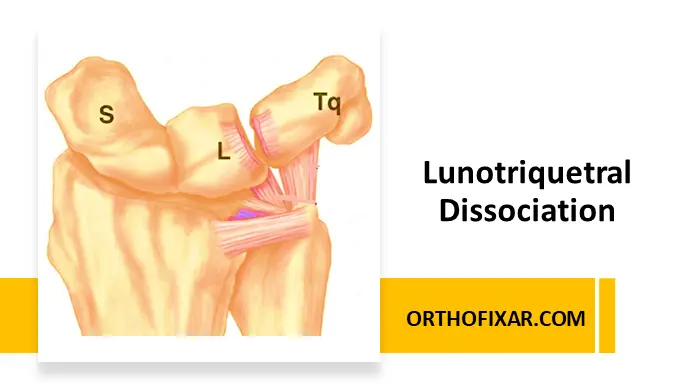
Lunotriquetral dissociation (LT dissociation) is a significant but often underdiagnosed cause of ulnar-sided wrist pain. As part of…
Read Full Entry →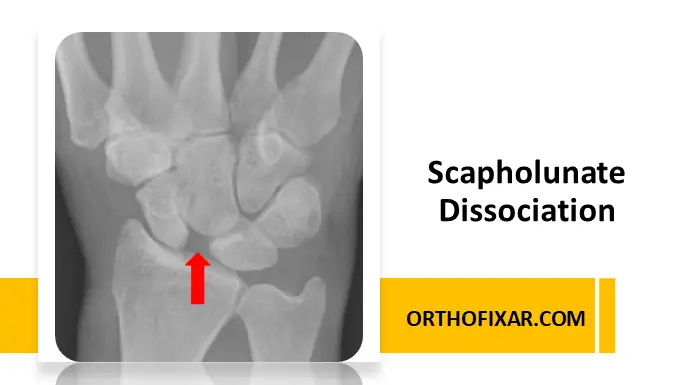
Scapholunate dissociation (SLD) is the most common and clinically significant ligament injury of the wrist. Often described as…
Read Full Entry →
Perilunate dislocations are among the most severe and commonly missed injuries of the wrist. These high-energy injuries disrupt…
Read Full Entry →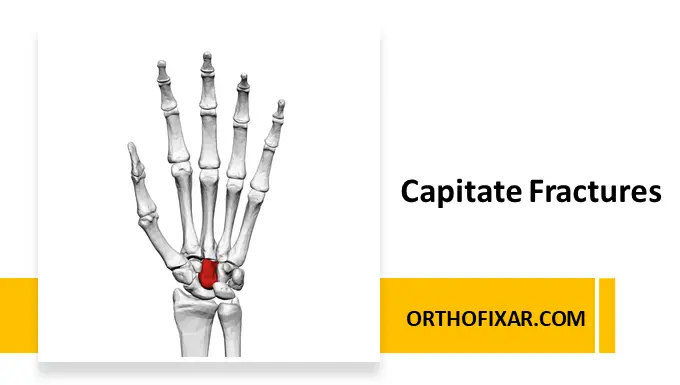
Capitate fractures are among the rarest injuries of the carpal bones, largely due to the capitate’s protected central…
Read Full Entry →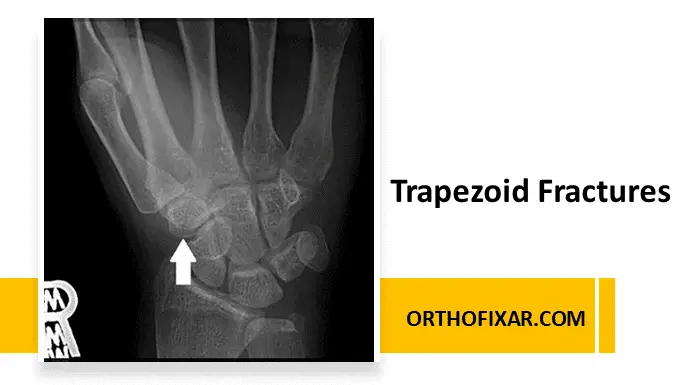
Trapezoid fractures are among the rarest injuries of the wrist, yet they require careful recognition and management to…
Read Full Entry →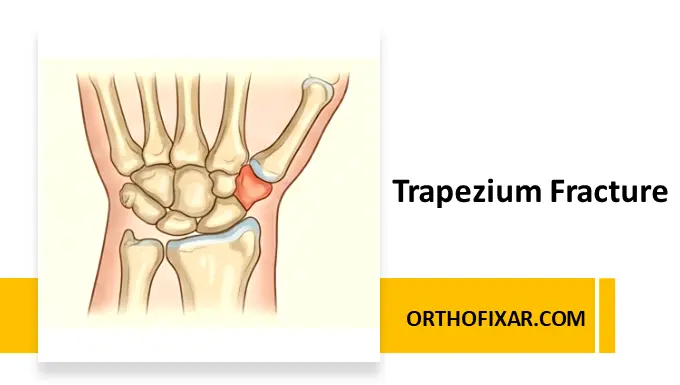
Trapezium fractures are relatively uncommon, accounting for approximately 3% to 5% of all carpal bone fractures. Despite their…
Read Full Entry →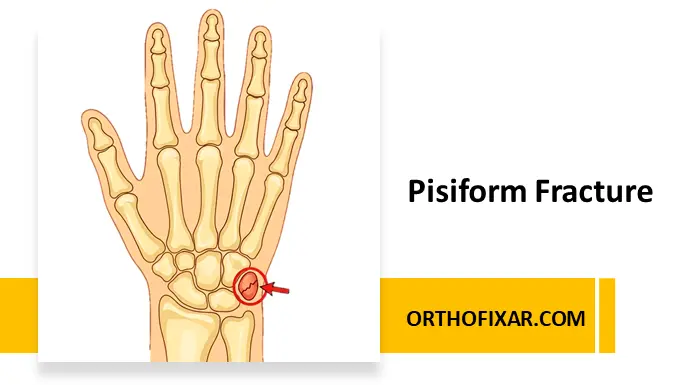
A pisiform fracture is an uncommon injury of the wrist that is frequently overlooked due to its subtle…
Read Full Entry →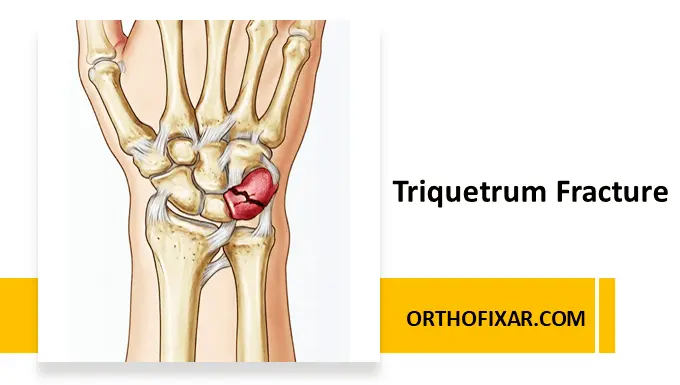
A fracture of the Triquetrum bone is the second most common carpal injury after the Scaphoid bone. Despite…
Read Full Entry →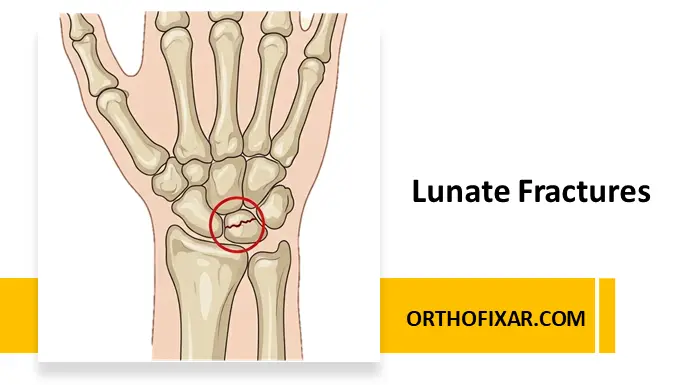
Lunate fractures are uncommon but clinically significant wrist injuries that require a high index of suspicion for accurate…
Read Full Entry →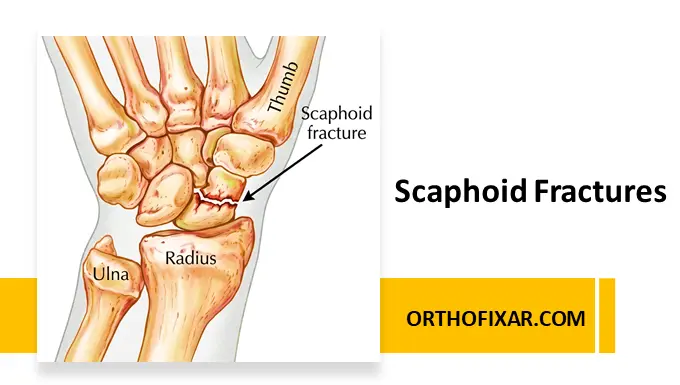
Scaphoid fractures are among the most common wrist injuries encountered in emergency and outpatient settings, accounting for 50%…
Read Full Entry →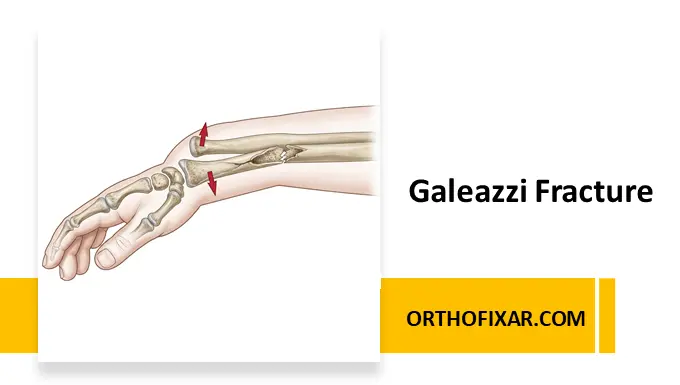
A Galeazzi fracture is a distinctive forearm injury characterized by a fracture of the distal or middle third…
Read Full Entry →