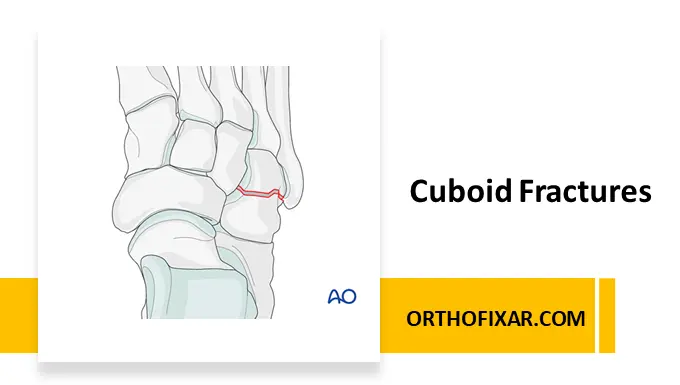
Cuboid Fractures: Symptoms, Diagnosis & Treatment
Cuboid fractures are relatively uncommon injuries of the lateral midfoot but can have significant functional consequences if missed…
Read Full Entry →Topics in orthopedic trauma surgery. Fractures, dislocation and injuries of the upper and lower limbs.
Cuboid fractures are relatively uncommon injuries of the lateral midfoot but can have significant functional consequences if missed…
Read Full Entry →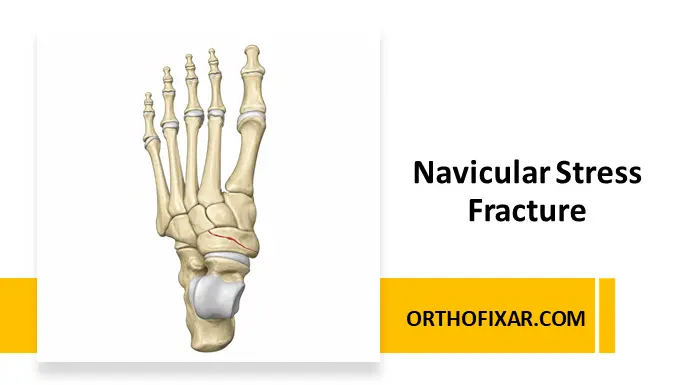
Navicular stress fracture is a high-risk overuse injury of the midfoot that commonly affects athletes involved in running,…
Read Full Entry →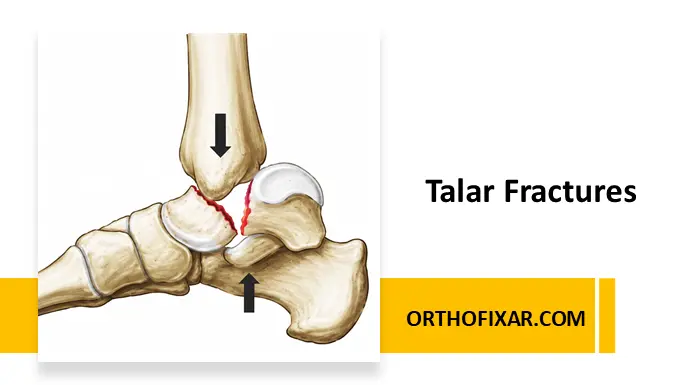
Talar fractures are the second most common tarsal bone fractures and account for approximately 0.1–0.85% of all fractures,…
Read Full Entry →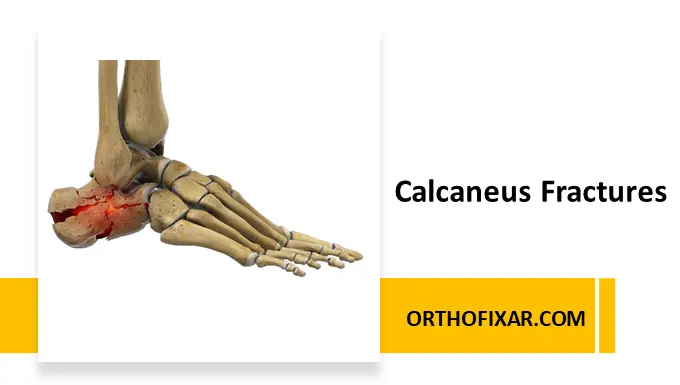
A calcaneus fracture is a fracture of the heel bone (os calcis) and represents the most common fracture…
Read Full Entry →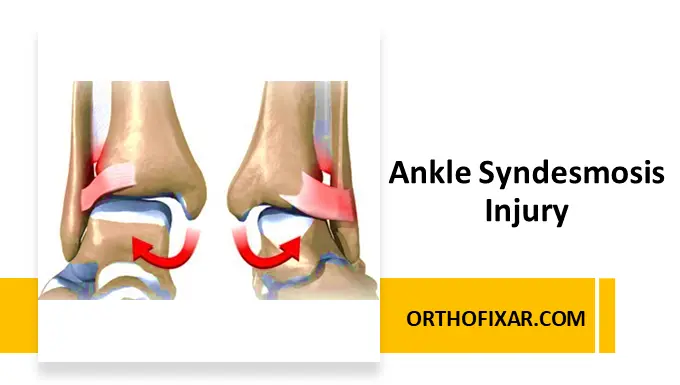
An Ankle Syndesmosis Injury, commonly called a high ankle sprain, involves injury to the distal tibiofibular syndesmotic ligaments…
Read Full Entry →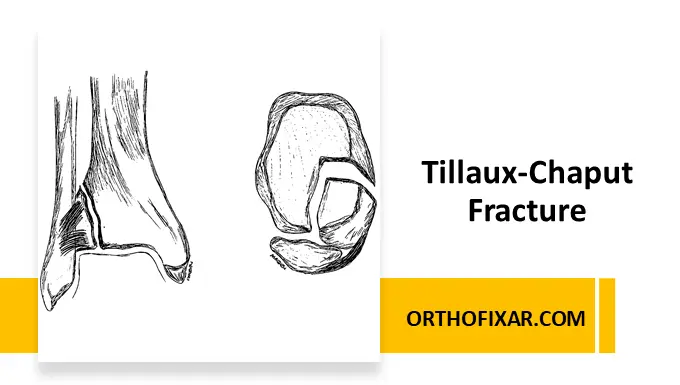
A Tillaux-Chaput fracture is an avulsion fracture involving the anterolateral distal tibia at the attachment of the anterior…
Read Full Entry →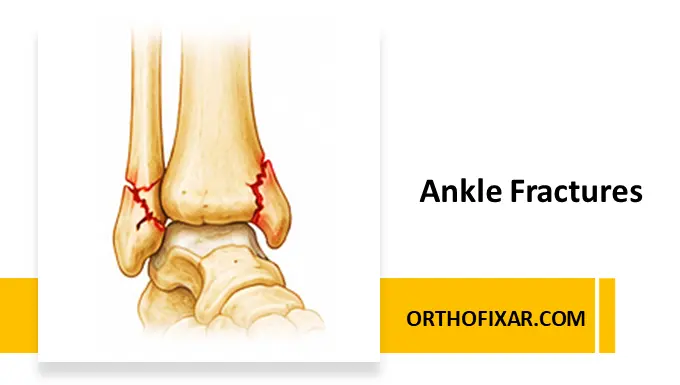
Ankle fractures are among the most common lower-extremity injuries encountered in orthopedic and emergency practice. They range from…
Read Full Entry →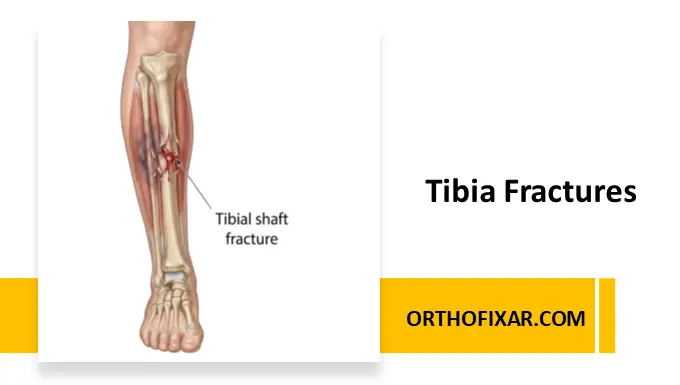
A tibia fracture is the most common long bone fracture, with an incidence of approximately 26 diaphyseal fractures…
Read Full Entry →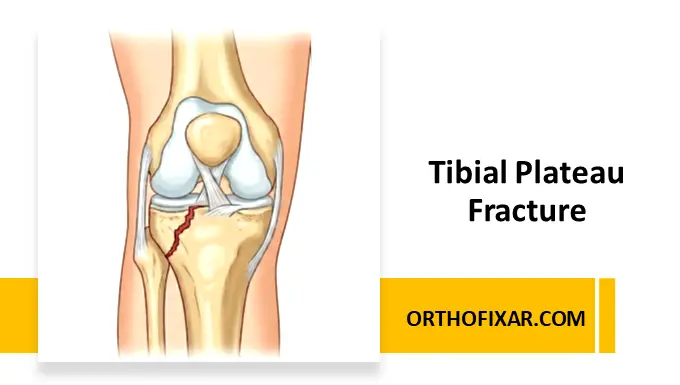
Tibial plateau fractures make up 1% of all fracture types. Among these fractures, bicondylar fractures make up 10–30%,…
Read Full Entry →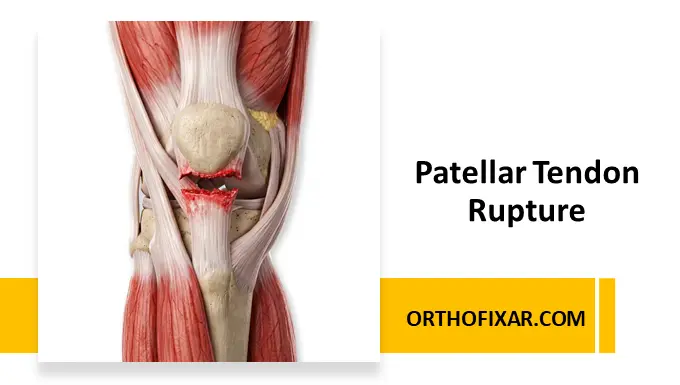
Patellar tendon rupture is a disabling injury that disrupts the knee’s extensor mechanism, resulting in loss of active…
Read Full Entry →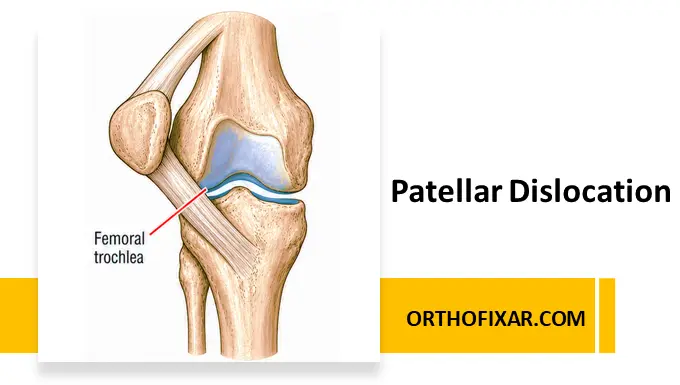
Traumatic Patellar dislocation is more common in women owing to physiological laxity and in patients with connective tissue…
Read Full Entry →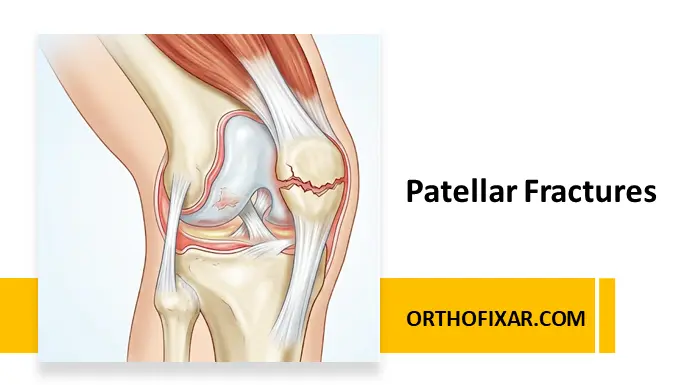
Patellar fractures represent approximately 1% of all skeletal injuries and are frequently observed within the age range of…
Read Full Entry →