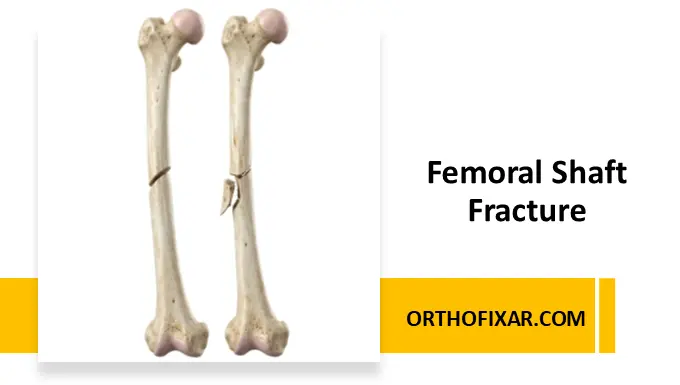
Femoral Shaft Fracture: Causes, Diagnosis & Treatment
A femoral shaft fracture is a serious orthopedic injury involving the diaphysis of the femur—the longest and strongest…
Read Full Entry →Topics in orthopedic trauma surgery. Fractures, dislocation and injuries of the upper and lower limbs.
A femoral shaft fracture is a serious orthopedic injury involving the diaphysis of the femur—the longest and strongest…
Read Full Entry →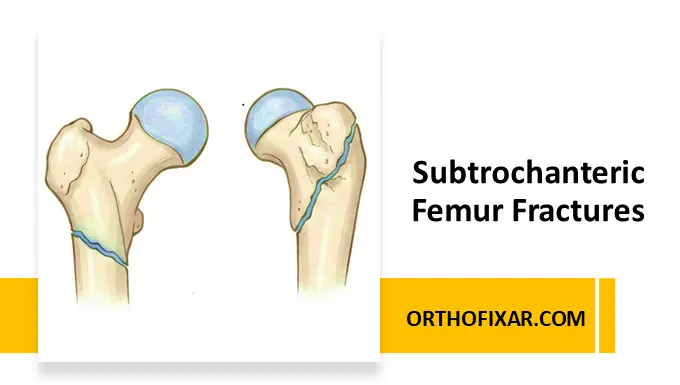
Subtrochanteric femur fractures account for 10–30% of all hip fractures and can occur across all age groups. The…
Read Full Entry →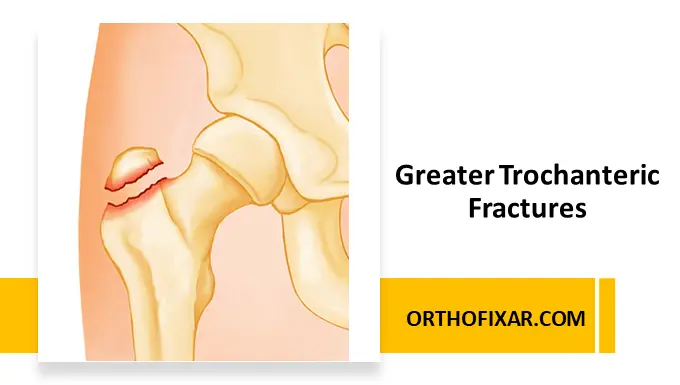
Greater trochanteric fractures are relatively rare injuries, typically affecting older adults. They involve the bony prominence of the…
Read Full Entry →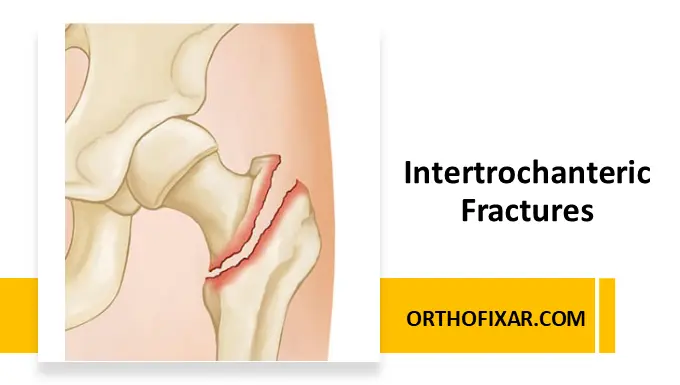
Intertrochanteric fractures are extracapsular fractures of the proximal femur occurring between the greater and lesser trochanters. These injuries…
Read Full Entry →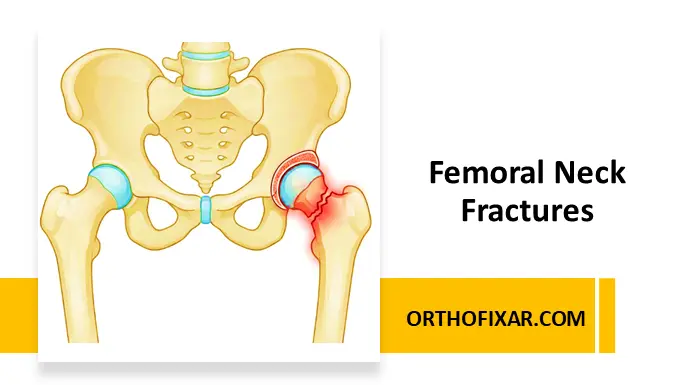
Femoral neck fractures are a subset of intracapsular hip fractures and represent a major clinical problem, particularly in…
Read Full Entry →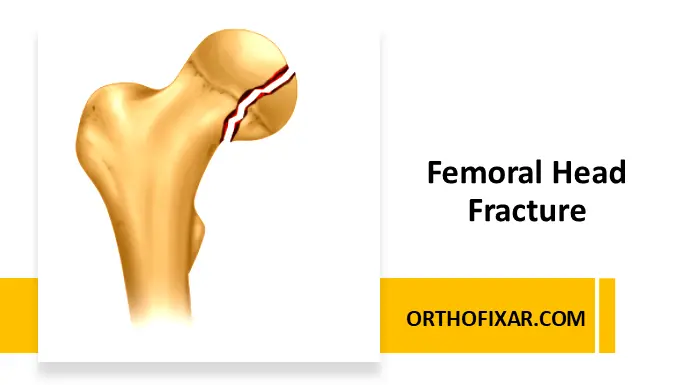
A femoral head fracture is a rare but severe orthopedic injury involving the articular surface of the femoral…
Read Full Entry →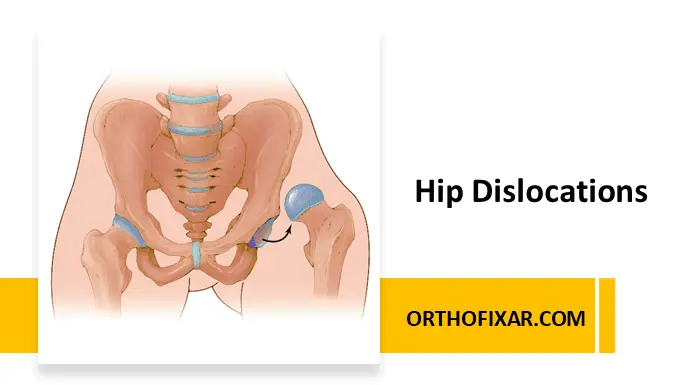
A hip dislocation is a serious orthopedic emergency in which the femoral head is displaced from the acetabulum…
Read Full Entry →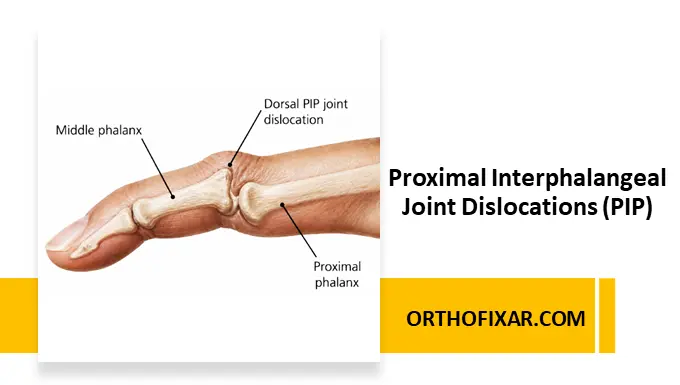
A proximal interphalangeal joint dislocation occurs when the middle joint of a finger is forced out of its…
Read Full Entry →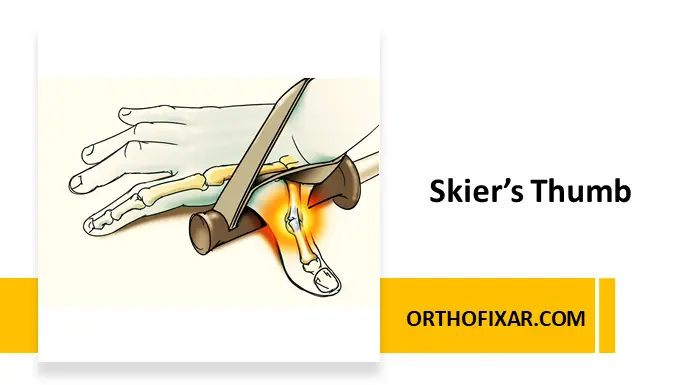
Skier’s thumb is an acute injury to the ulnar collateral ligament (UCL) of the thumb at the metacarpophalangeal…
Read Full Entry →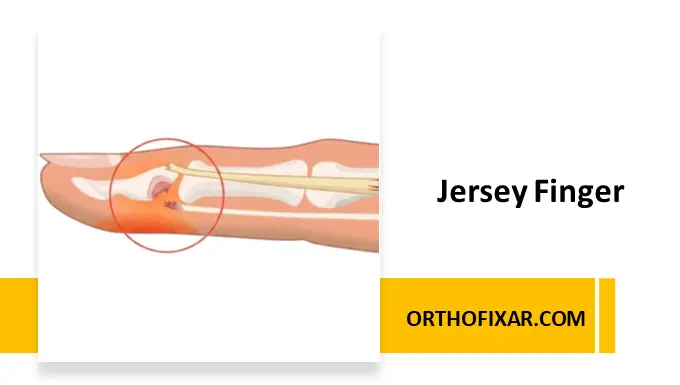
Jersey finger is a serious hand injury defined as an avulsion of the flexor digitorum profundus (FDP) tendon…
Read Full Entry →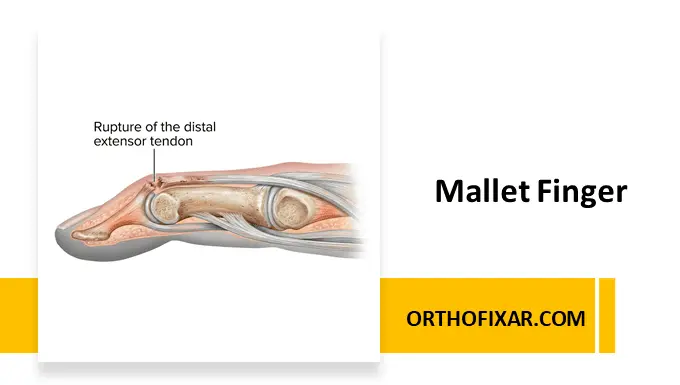
Mallet finger is a common hand injury characterized by the inability to actively extend the distal interphalangeal (DIP)…
Read Full Entry →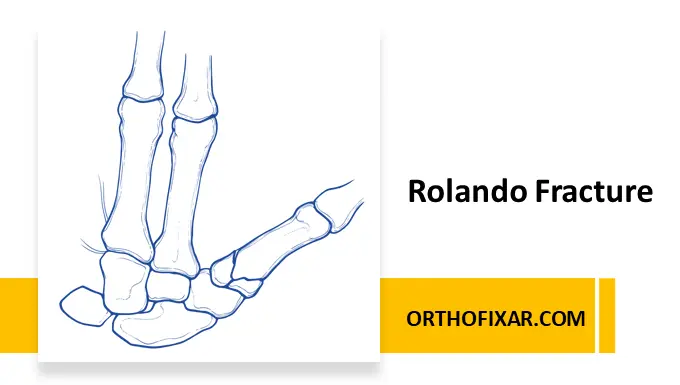
A Rolando fracture is a comminuted intra-articular fracture at the base of the first metacarpal (thumb). It typically…
Read Full Entry →