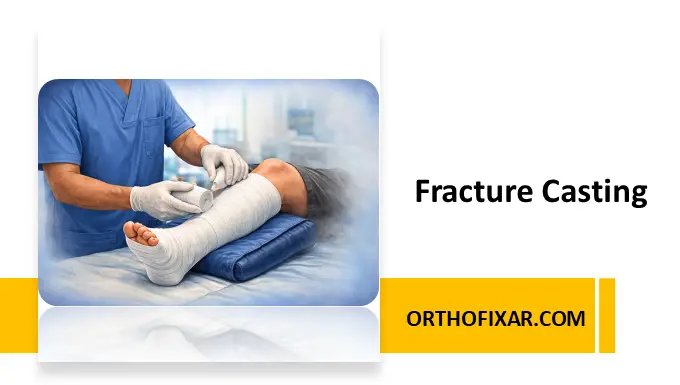
Fracture Casting: Principles, Techniques & Complications
Fracture casting remains a cornerstone of non-operative orthopedic management. The primary goal of casting is to provide semirigid…
Read Full Entry →Explore the Orthofixar Database, a comprehensive medical & orthopedic surgery repository. Browse peer-reviewed clinical summaries across categories including Trauma, Pediatrics, Anatomy, Adult Reconstruction, Sports Medicine and much more medical categories. Stay updated with the latest clinical insights, diagnostic criteria, and treatment protocols.
Fracture casting remains a cornerstone of non-operative orthopedic management. The primary goal of casting is to provide semirigid…
Read Full Entry →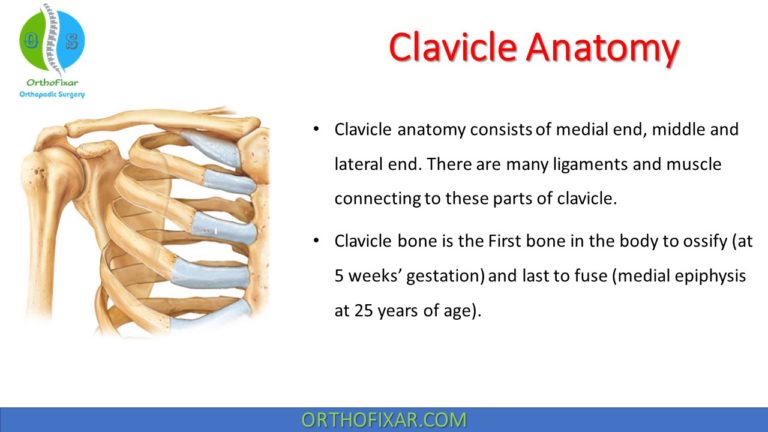
Clavicle anatomy consists of medial end, middle and lateral end. There are many ligaments and muscles connecting to…
Read Full Entry →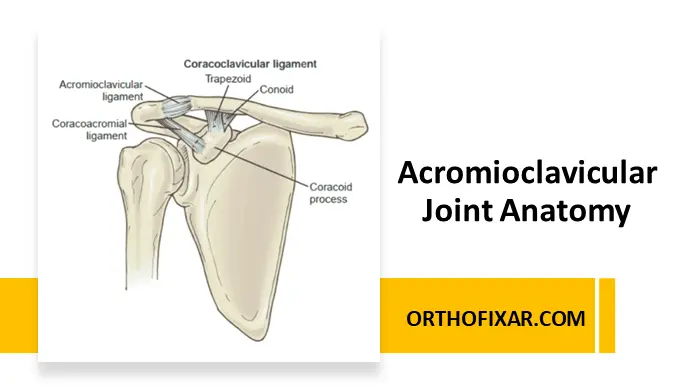
The acromioclavicular (AC) joint is a key anatomical structure of the shoulder girdle, playing a crucial role in…
Read Full Entry →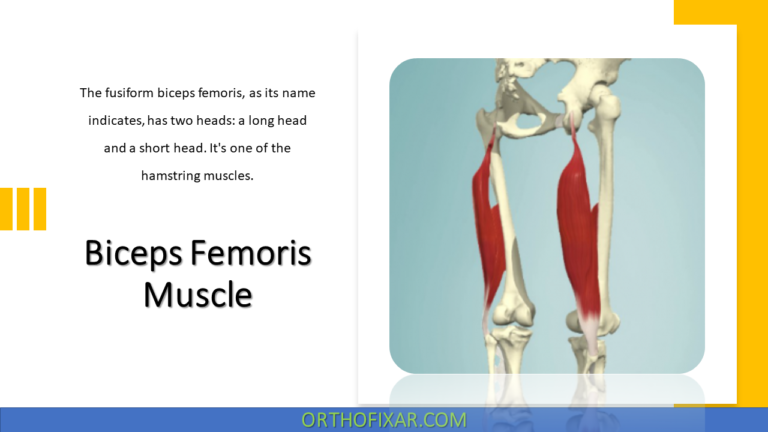
The hamstring muscles are (1) semitendinosus, (2) semimembranosus, and (3) biceps femoris (long head). The hamstring muscles (“hamstrings”…
Read Full Entry →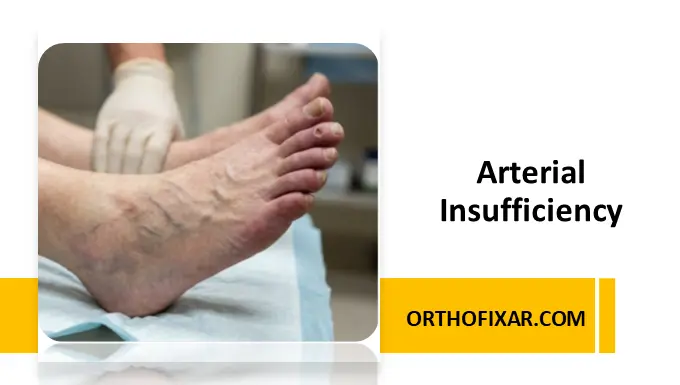
Arterial insufficiency is a vascular disorder characterized by reduced or obstructed blood flow through the arterial system, resulting…
Read Full Entry →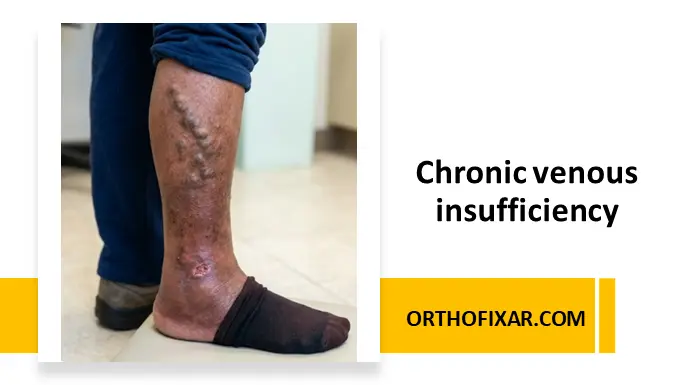
Chronic venous insufficiency (CVI) is a progressive vascular disorder characterized by impaired venous return, most commonly due to…
Read Full Entry →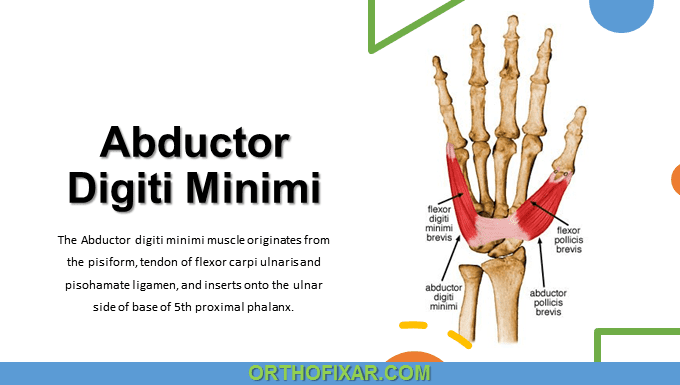
The hypothenar muscles (abductor digiti minimi, flexor digiti minimi brevis, and opponens digiti minimi) produce the hypothenar eminence…
Read Full Entry →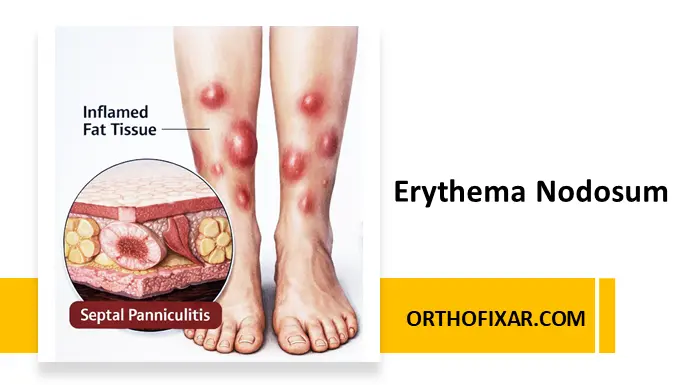
Erythema nodosum (EN) is the most common form of panniculitis, characterized by inflammation of subcutaneous fat tissue. It…
Read Full Entry →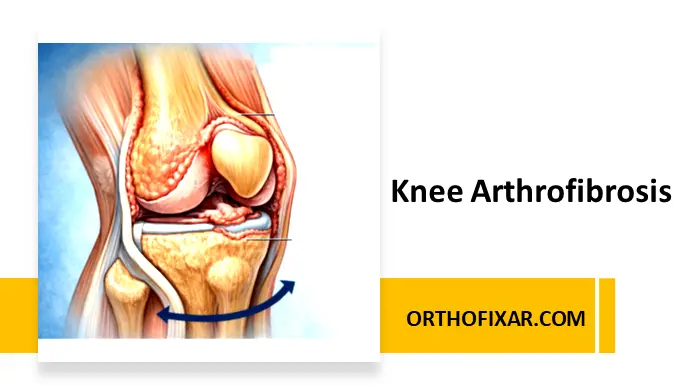
Knee arthrofibrosis refers to a spectrum of pathological knee conditions in which loss of joint motion is the…
Read Full Entry →