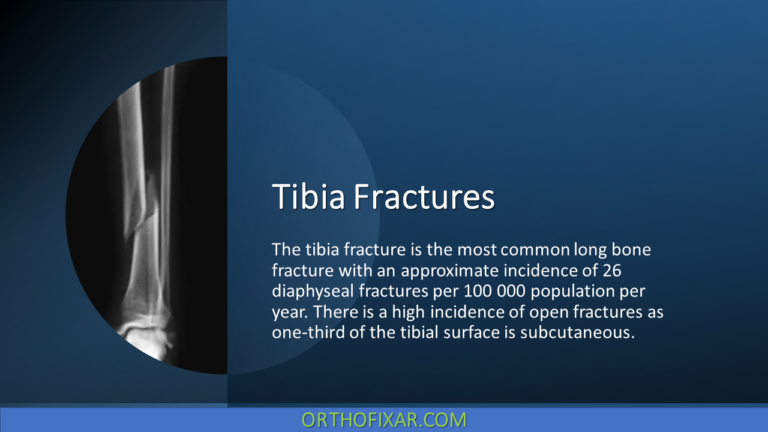
Tibia Fractures
The tibia fracture is the most common long bone fracture with an approximate incidence of 26 diaphyseal fractures…
Read Full Entry →Topics in orthopedic trauma surgery. Fractures, dislocation and injuries of the upper and lower limbs.
The tibia fracture is the most common long bone fracture with an approximate incidence of 26 diaphyseal fractures…
Read Full Entry →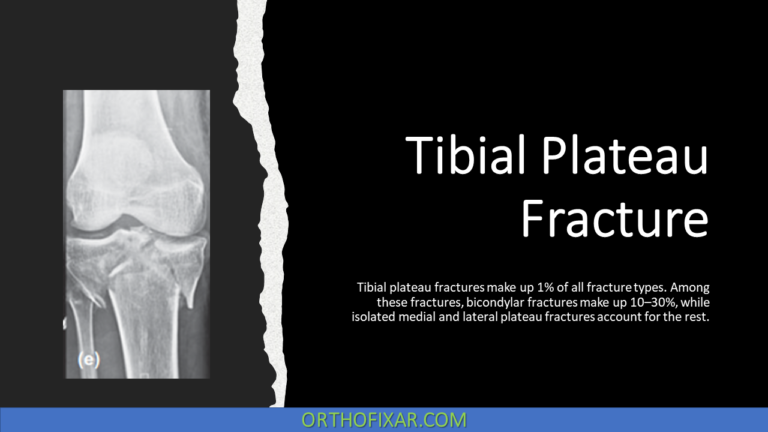
Tibial plateau fractures make up 1% of all fracture types. Among these fractures, bicondylar fractures make up 10–30%
Read Full Entry →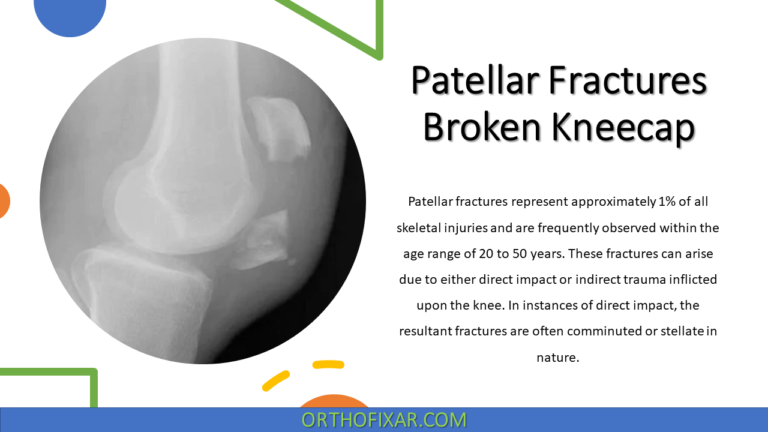
Patellar fractures represent approximately 1% of all skeletal injuries and are frequently observed within the age range of…
Read Full Entry →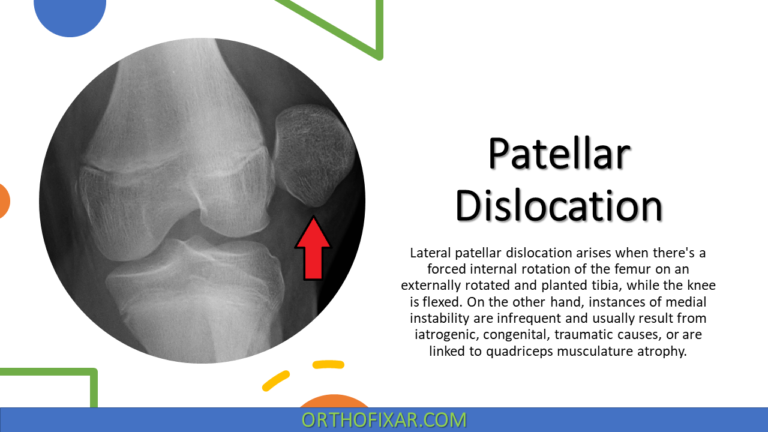
Traumatic Patellar dislocation is more common in women owing to physiological laxity and in patients with connective tissue…
Read Full Entry →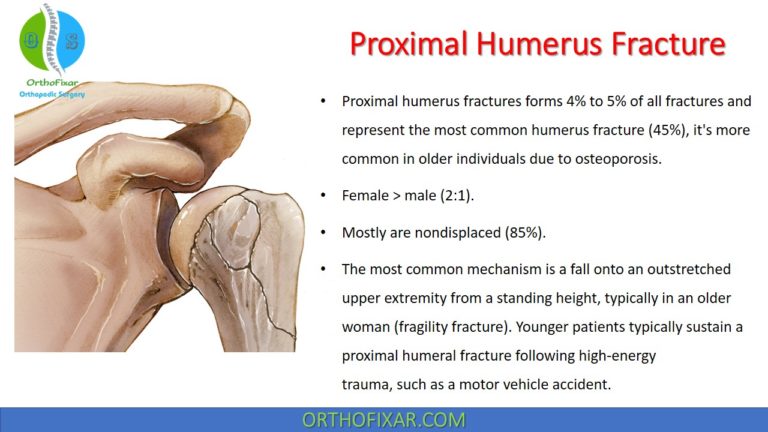
Proximal humerus fractures forms 4% to 5% of all fractures and represent the most common humerus fracture (45%).
Read Full Entry →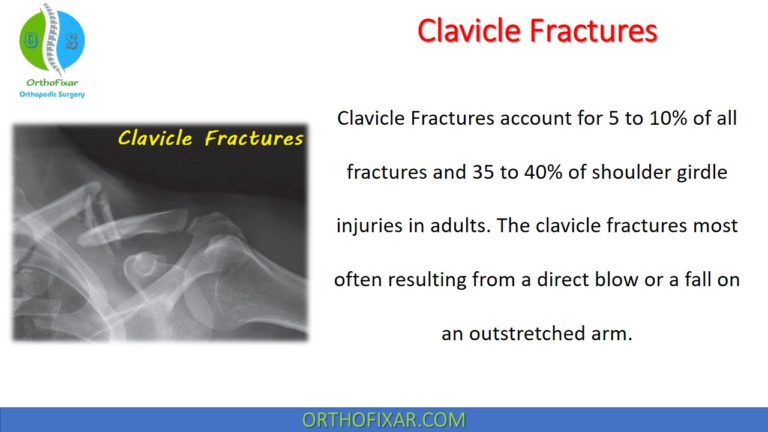
Clavicle Fractures account for 5 to 10% of all fractures and 35 to 40% of shoulder girdle injuries…
Read Full Entry →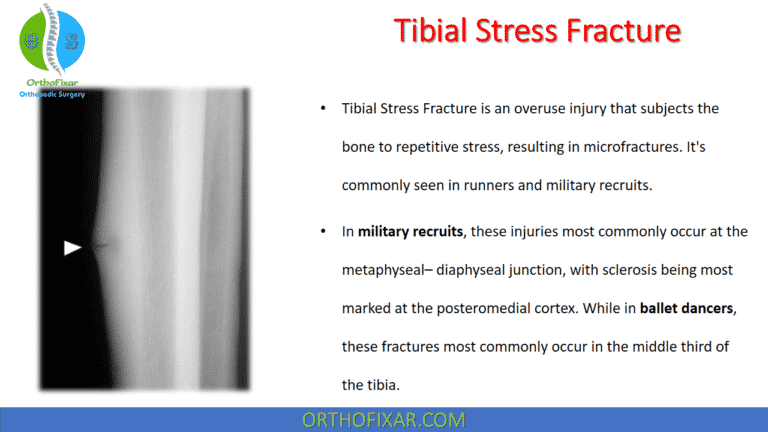
Tibial Stress Fracture is an overuse injury that subjects the bone to repetitive stress, resulting in microfractures, commonly…
Read Full Entry →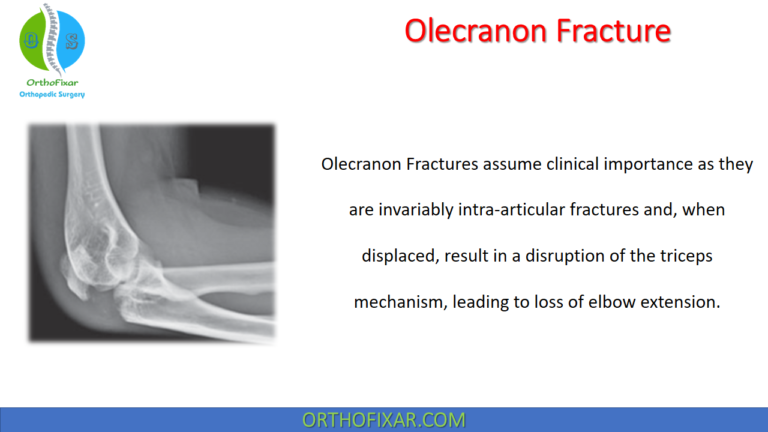
Avulsion olecranon fractures due to sudden contraction of triceps are seen in elderly, whereas fractures due to direct…
Read Full Entry →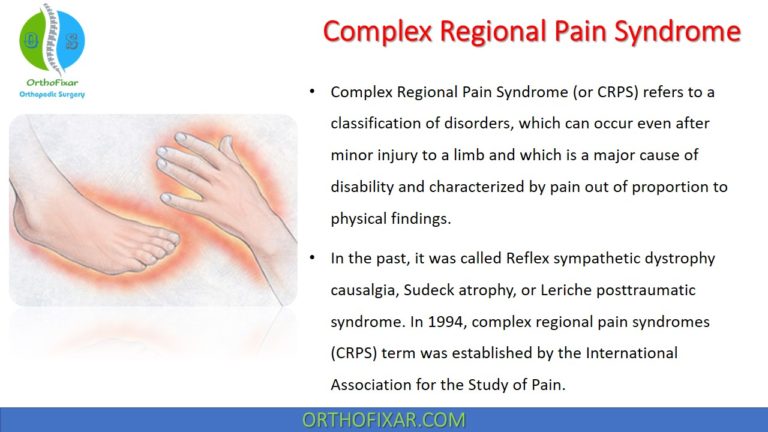
Complex regional pain syndrome (CRPS) is a chronic pain condition involving hyperalgesia and allodynia of the extremities. It's…
Read Full Entry →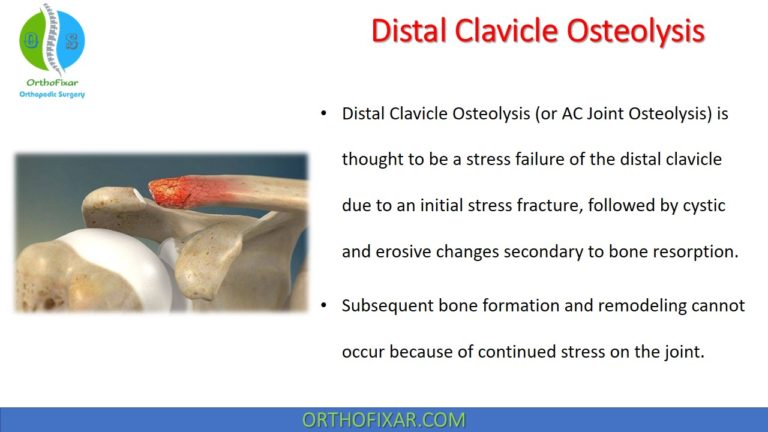
Distal Clavicle Osteolysis (or AC Joint Osteolysis) is thought to be a stress failure of the distal clavicle…
Read Full Entry →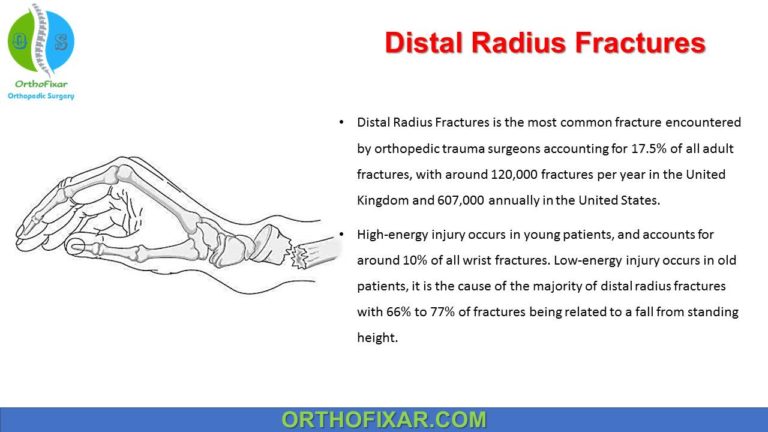
Distal Radius Fractures is the most common fracture encountered by orthopedic trauma surgeons accounting for 17.5% of all…
Read Full Entry →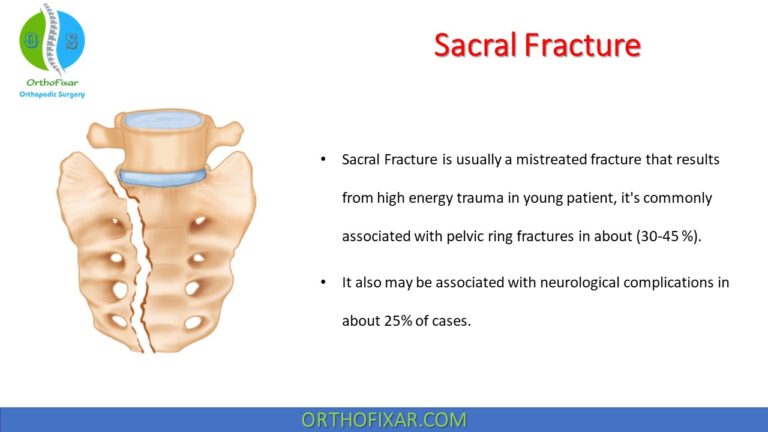
Sacral Fracture is usually a mistreated fracture that results from high energy trauma in young patient, it's commonly…
Read Full Entry →