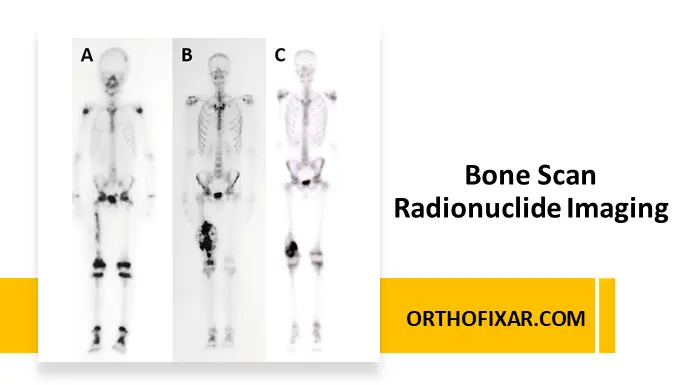
Bone Scan Radionuclide Imaging: Principles, Applications & Interpretation
Bone scan radionuclide imaging, also known as bone scintigraphy, is a nuclear medicine imaging technique that provides valuable…
Read Full Entry →
Bone scan radionuclide imaging, also known as bone scintigraphy, is a nuclear medicine imaging technique that provides valuable…
Read Full Entry →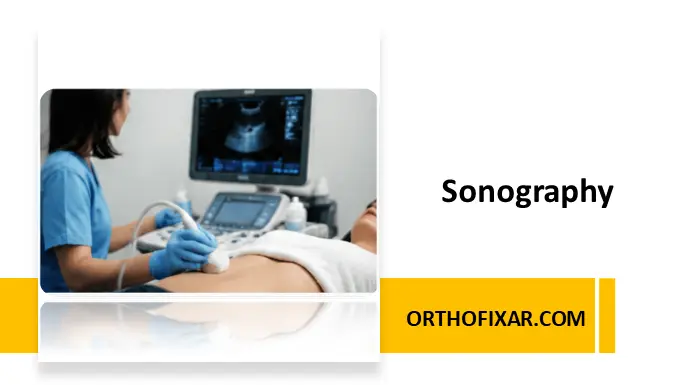
Sonography, also known as ultrasound or diagnostic sonography, is a non-invasive imaging technique widely used in medical practice.…
Read Full Entry →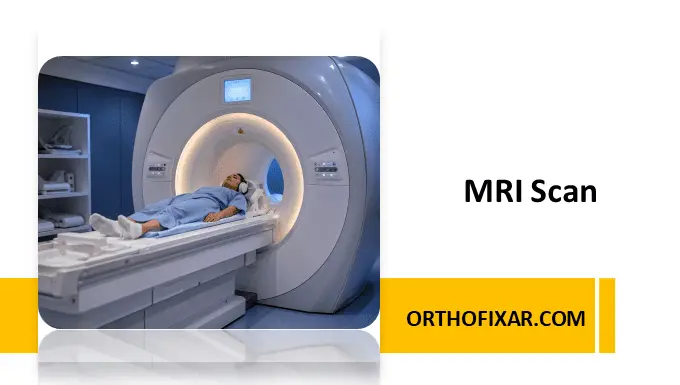
A magnetic resonance imaging (MRI) scan is one of the most advanced diagnostic imaging techniques in modern medicine.…
Read Full Entry →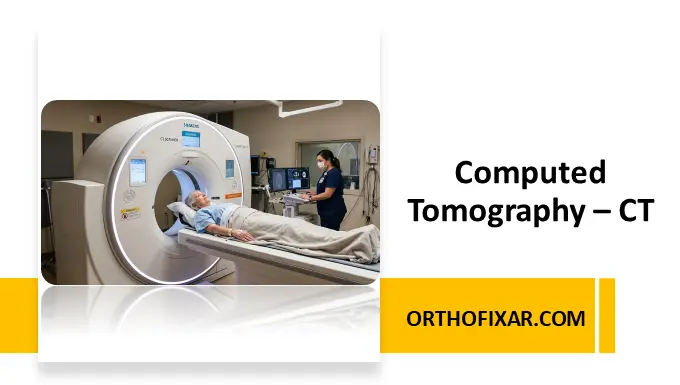
Computed Tomography (CT Scan) is one of the most important imaging modalities in modern medicine. It produces detailed…
Read Full Entry →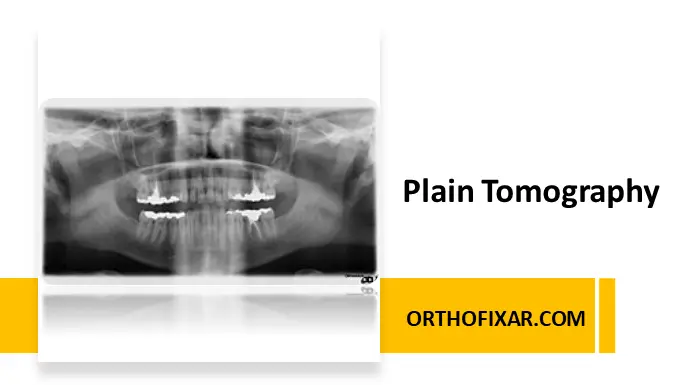
Plain tomography, also known as conventional tomography or linear tomography, is a specialized radiographic technique that was widely…
Read Full Entry →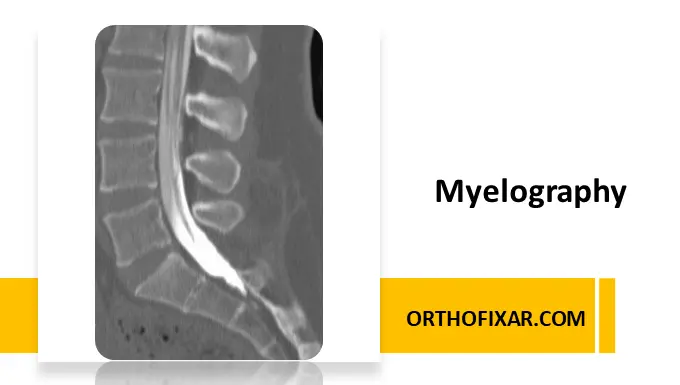
Myelography is a specialized radiographic examination of the spinal canal performed after the injection of a contrast medium…
Read Full Entry →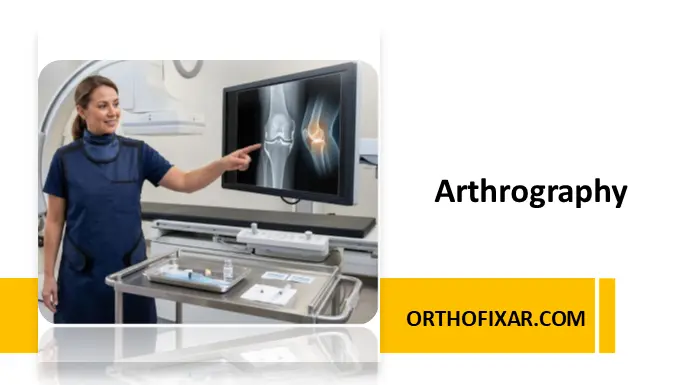
Arthrography is a specialized diagnostic imaging procedure in which contrast material is injected directly into a joint space…
Read Full Entry →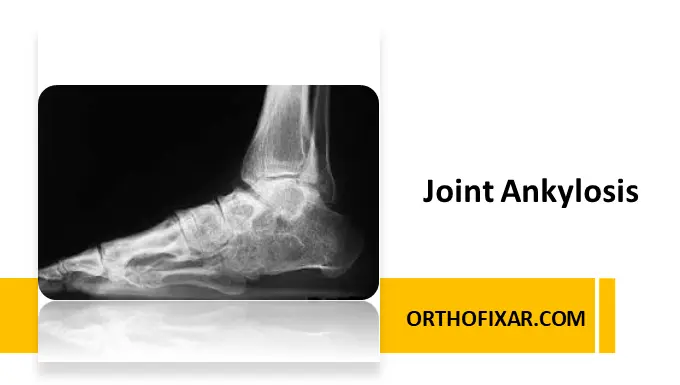
Ankylosis is a pathological condition characterized by stiffness, immobility, or fusion of a joint due to abnormal fibrous…
Read Full Entry →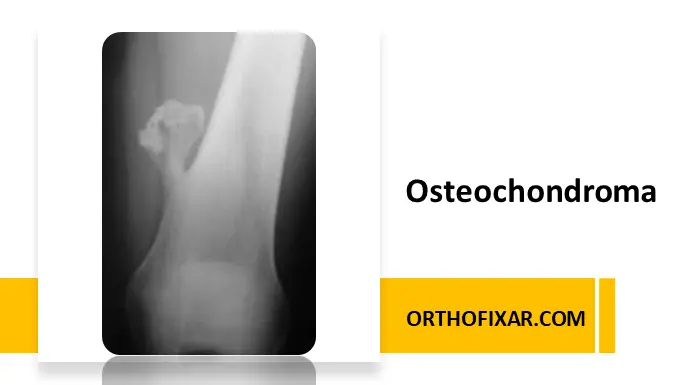
Osteochondroma is the most common benign bone tumor, accounting for approximately 35–50% of all benign bone tumors and…
Read Full Entry →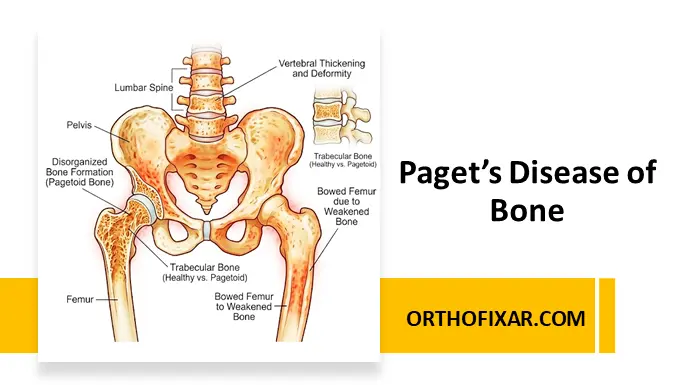
Paget’s disease of bone (PDB), also known as osteitis deformans, is a chronic metabolic bone disorder characterized by…
Read Full Entry →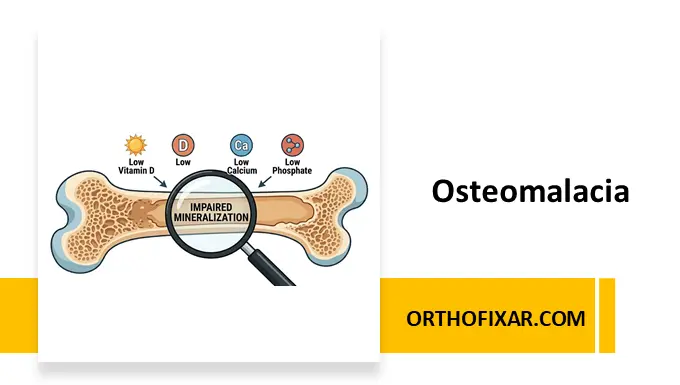
Osteomalacia is a metabolic bone disorder characterized by defective mineralization of mature bone matrix (osteoid) after the closure…
Read Full Entry →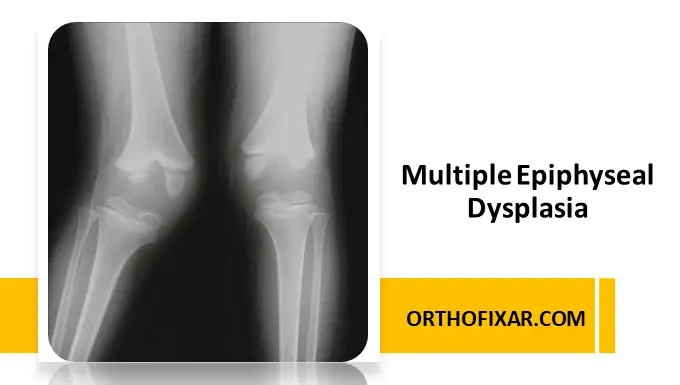
Multiple epiphyseal dysplasia (MED) is a rare inherited skeletal disorder that affects the growth and development of the…
Read Full Entry →