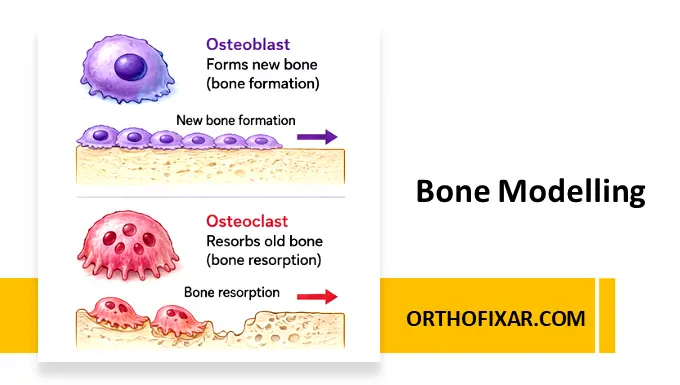
Bone Modelling: Process, Mechanisms & Clinical Significance
Bone modelling is a fundamental biological process responsible for changes in the size, shape, and structural organization of…
Read Full Entry →
Bone modelling is a fundamental biological process responsible for changes in the size, shape, and structural organization of…
Read Full Entry →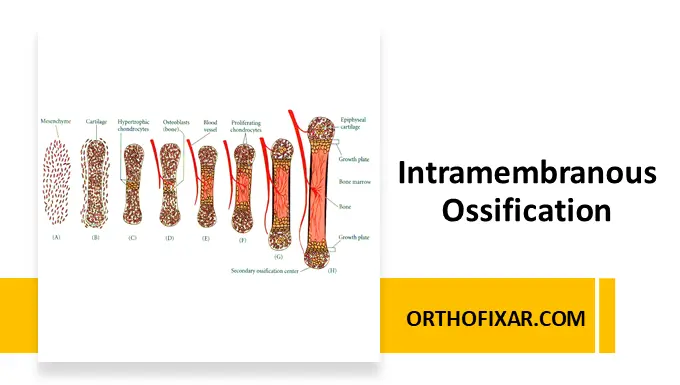
Intramembranous ossification is one of the two primary mechanisms of bone formation in the human body. Unlike endochondral…
Read Full Entry →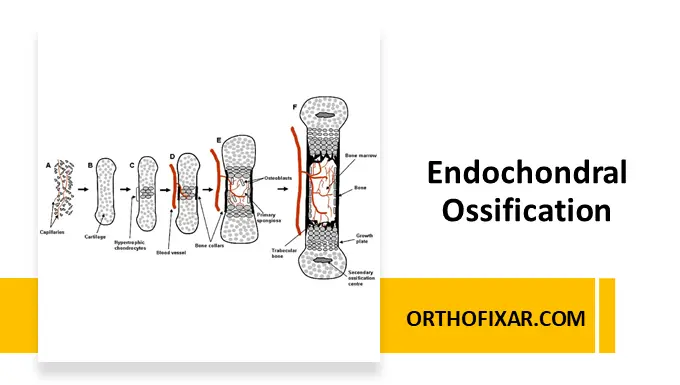
Endochondral ossification is the primary mechanism through which most bones of the human skeleton develop. It is responsible…
Read Full Entry →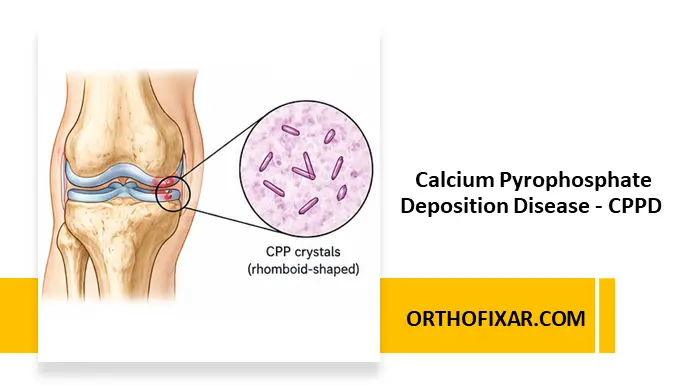
Calcium Pyrophosphate Deposition Disease (CPPD) is a crystal-induced arthropathy caused by the deposition of calcium pyrophosphate dihydrate (CPP)…
Read Full Entry →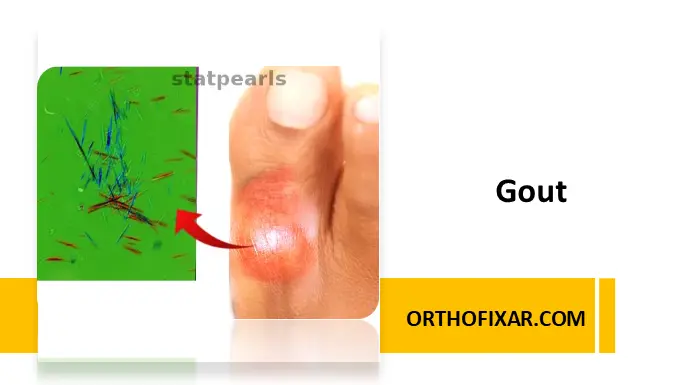
Gout is a common and potentially debilitating form of inflammatory arthritis caused by the accumulation of uric acid…
Read Full Entry →
Rheumatoid Arthritis (RA) is a chronic, systemic autoimmune disease characterized by persistent inflammation of the synovial joints. Unlike…
Read Full Entry →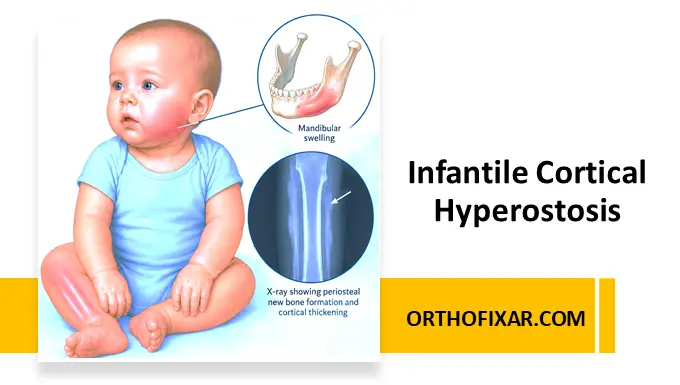
Infantile Cortical Hyperostosis (ICH), commonly known as Caffey Disease, is a rare self-limiting inflammatory bone disorder that primarily…
Read Full Entry →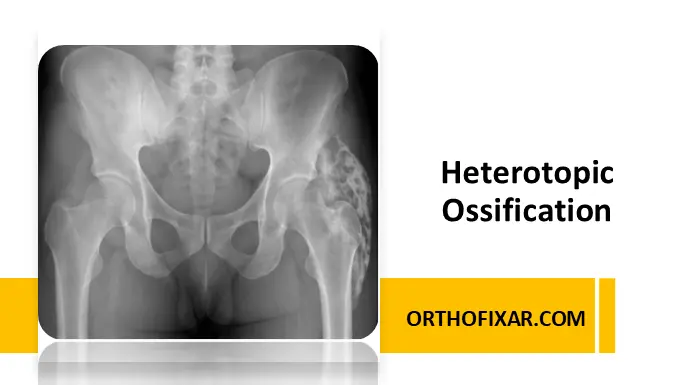
Heterotopic ossification (HO) is the pathological formation of mature, lamellar bone in extraskeletal soft tissues — including muscles, tendons,…
Read Full Entry →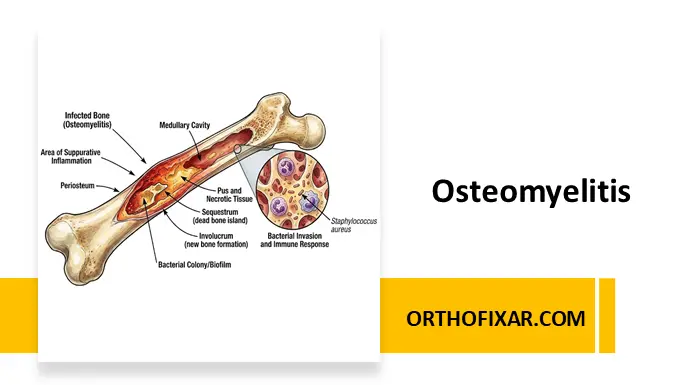
Osteomyelitis is a serious bone infection characterized by inflammation and destruction of bone tissue caused by microorganisms, most…
Read Full Entry →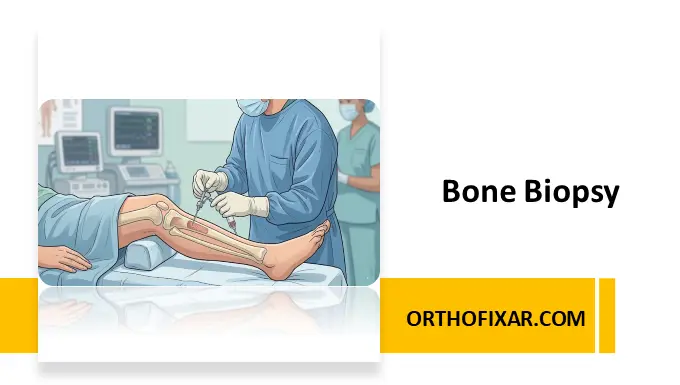
Bone biopsy is a specialized diagnostic procedure used to obtain a sample of bone tissue for microscopic, microbiological,…
Read Full Entry →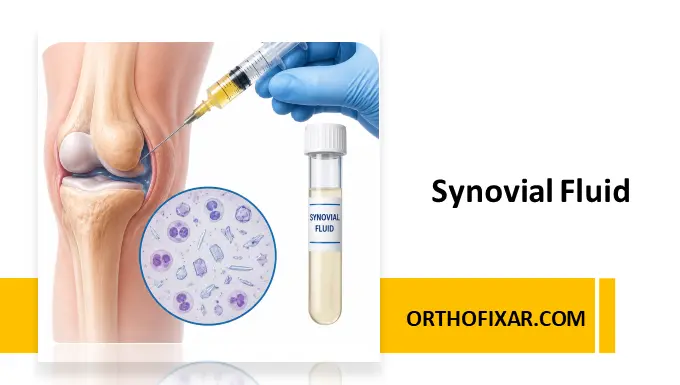
Synovial fluid — also referred to as joint fluid — is the viscous, straw-colored liquid that fills the…
Read Full Entry →
Joint arthrocentesis, also known as joint aspiration, is a common diagnostic and therapeutic procedure used in rheumatology, orthopedics,…
Read Full Entry →