
Major Histocompatibility Complex (MHC): Structure, Types, Function & Clinical Significance
The major histocompatibility complex (MHC) is one of the most important genetic systems involved in immune recognition and…
Read Full Entry →
The major histocompatibility complex (MHC) is one of the most important genetic systems involved in immune recognition and…
Read Full Entry →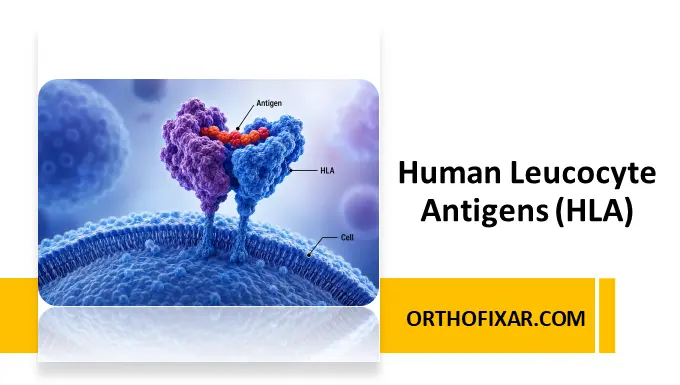
Human leucocyte antigens (HLA) are a group of cell-surface proteins that play a fundamental role in the human…
Read Full Entry →
Psoriatic arthritis (PsA) is a chronic inflammatory autoimmune disease that affects the joints and entheses (sites where tendons…
Read Full Entry →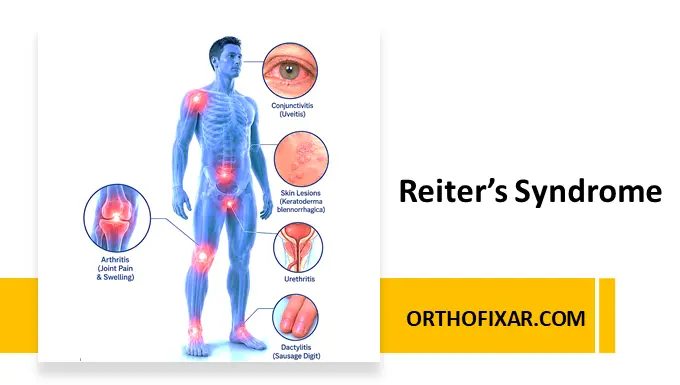
Reiter's syndrome, historically known as Reiter’s disease, is a form of inflammatory arthritis that develops after certain bacterial…
Read Full Entry →
Ankylosing spondylitis (AS) is a chronic inflammatory disease that primarily affects the spine and sacroiliac joints. It belongs…
Read Full Entry →
Juvenile rheumatoid arthritis (JRA), now more commonly known as juvenile idiopathic arthritis (JIA), is the most common chronic…
Read Full Entry →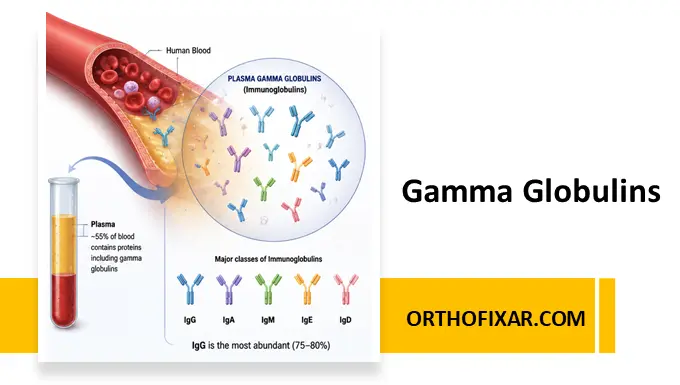
Plasma gamma globulins are an important group of proteins found in human blood plasma. They play a central…
Read Full Entry →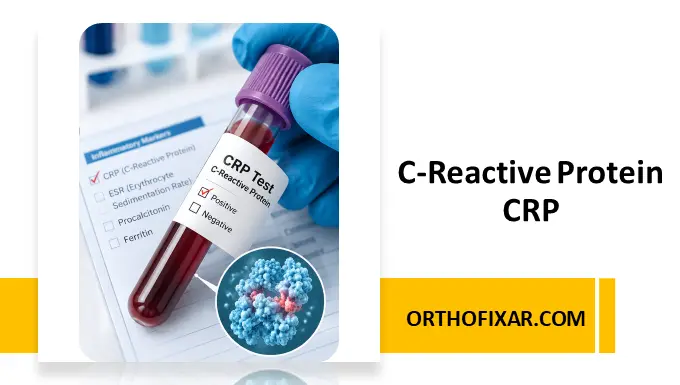
C-reactive protein (CRP) is one of the most commonly used laboratory markers of inflammation in modern medicine. The…
Read Full Entry →
The erythrocyte sedimentation rate (ESR) is one of the oldest and most widely used laboratory tests in clinical…
Read Full Entry →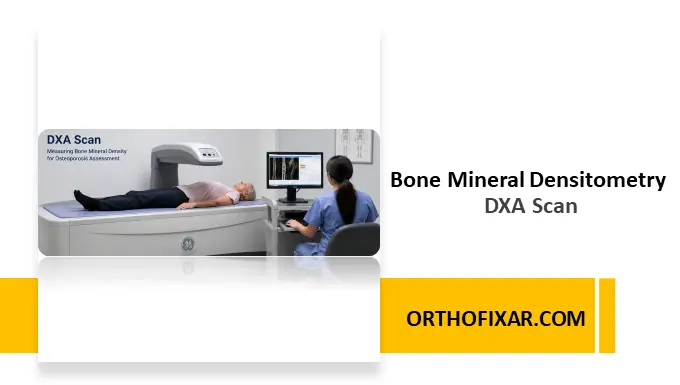
Bone Mineral Densitometry (BMD) is a non-invasive imaging technique used to measure bone mineral density and evaluate bone…
Read Full Entry →
PET scan imaging is one of the most advanced diagnostic imaging techniques in modern medicine. A positron emission…
Read Full Entry →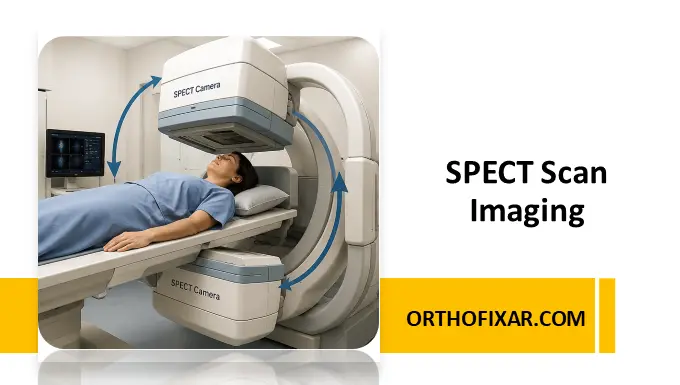
SPECT scan imaging (Single Photon Emission Computed Tomography) is an advanced nuclear medicine imaging technique that provides three-dimensional…
Read Full Entry →