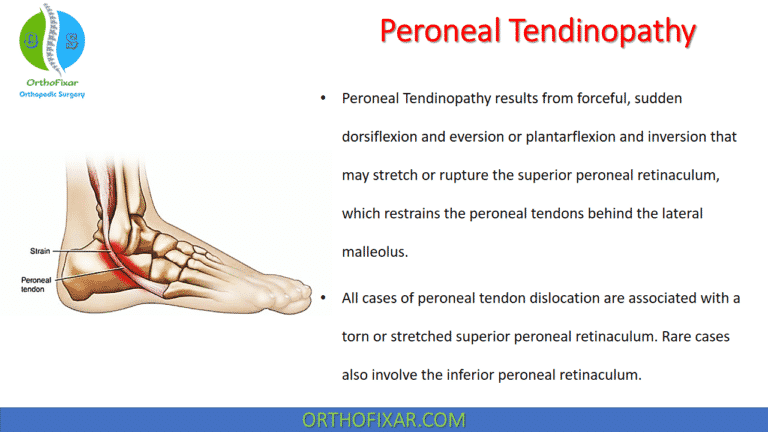
Peroneal Tendinopathy
Peroneal Tendinopathy results from forceful dorsiflexion and eversion or plantarflexion and inversion that may stretch or rupture superior…
Read Full Entry →
Peroneal Tendinopathy results from forceful dorsiflexion and eversion or plantarflexion and inversion that may stretch or rupture superior…
Read Full Entry →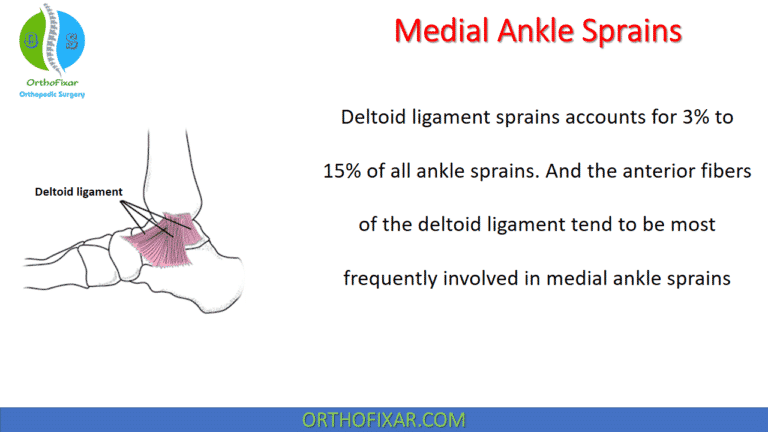
Medial Ankle Sprains is less common than lateral ankle sprain, it involves injury to the medial ankle ligament…
Read Full Entry →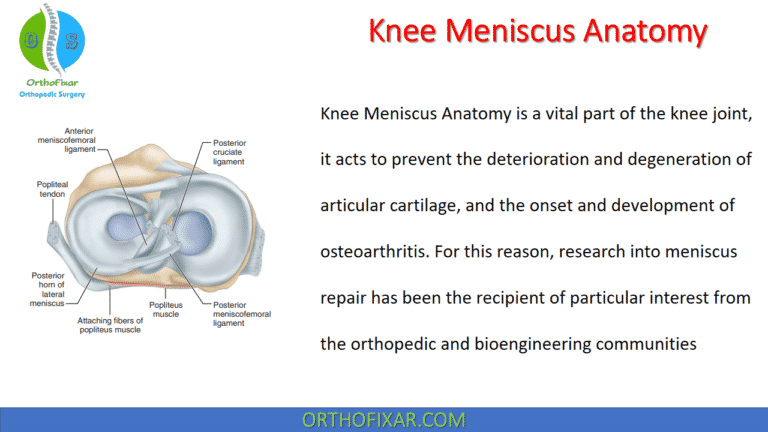
Knee Meniscus is a crescent shape structure, triangular in cross section, that cover one half to two thirds…
Read Full Entry →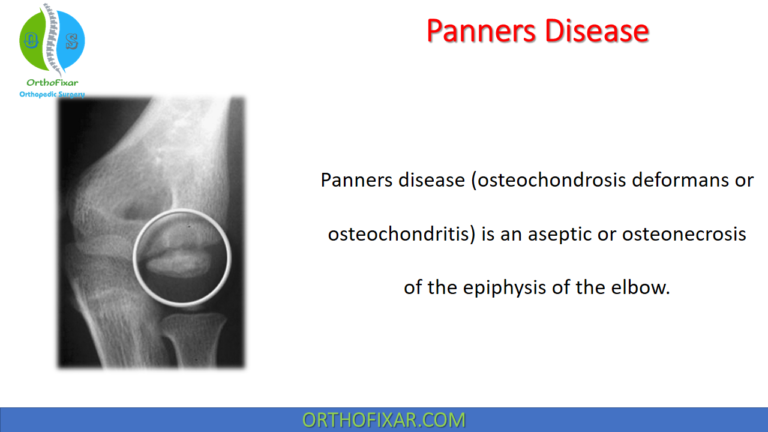
Panners disease (osteochondrosis deformans or osteochondritis) is an aseptic or osteonecrosis of the epiphysis of the elbow.
Read Full Entry →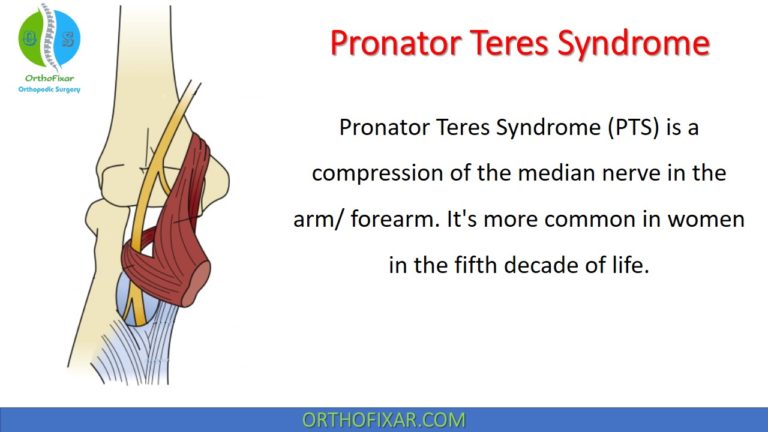
Pronator Teres Syndrome (PTS) is a compression of the median nerve in the arm/ forearm. It's more common…
Read Full Entry →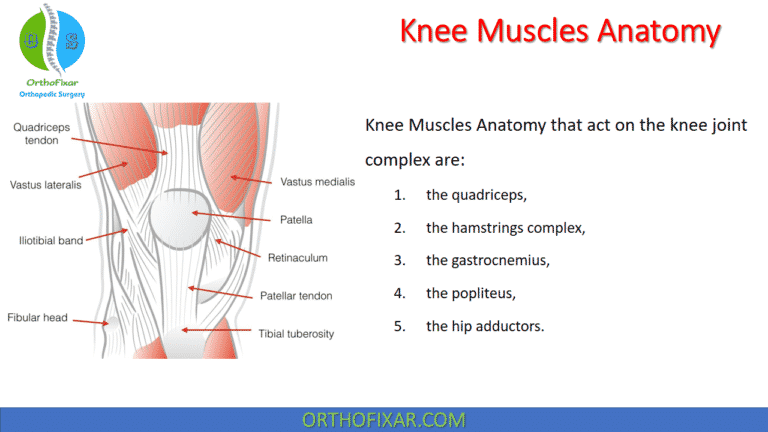
Knee Muscles Anatomy that act on the knee joint complex are the quadriceps, the hamstrings complex, the gastrocnemius,…
Read Full Entry →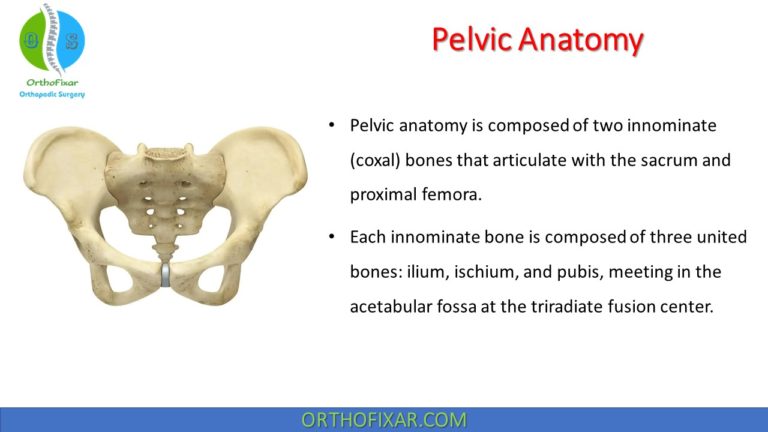
Pelvic anatomy is composed of two innominate (coxal) bones that articulate with the sacrum and proximal femora. Each…
Read Full Entry →
Soft tissue injury of all types is extremely common in the general population. This injury can be classified…
Read Full Entry →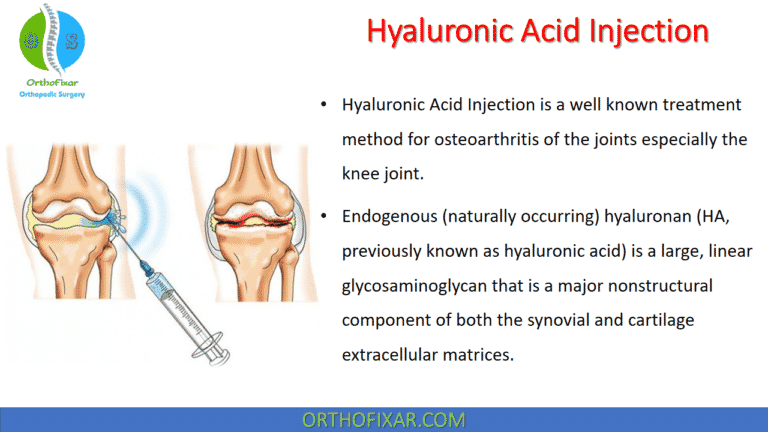
Hyaluronic Acid Injection is a well known treatment method for osteoarthritis of the joints especially the knee joint.
Read Full Entry →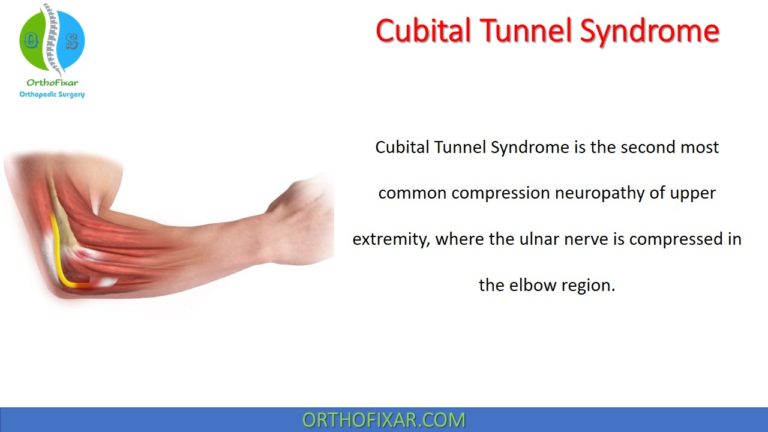
Cubital Tunnel Syndrome is the second most common compression neuropathy of upper extremity, where the ulnar nerve is…
Read Full Entry →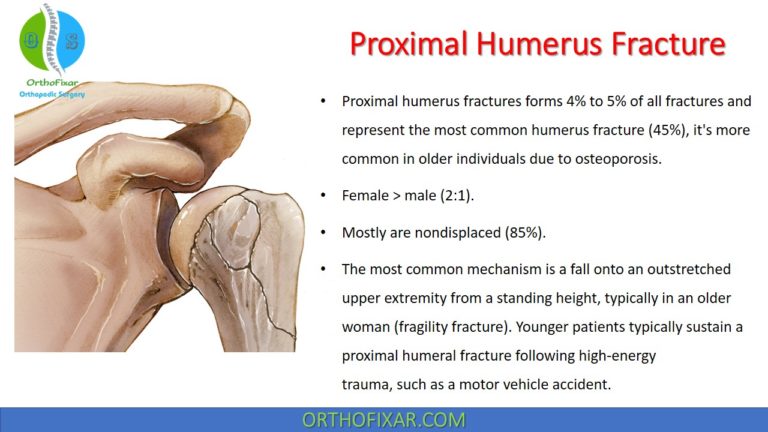
Proximal humerus fractures forms 4% to 5% of all fractures and represent the most common humerus fracture (45%).
Read Full Entry →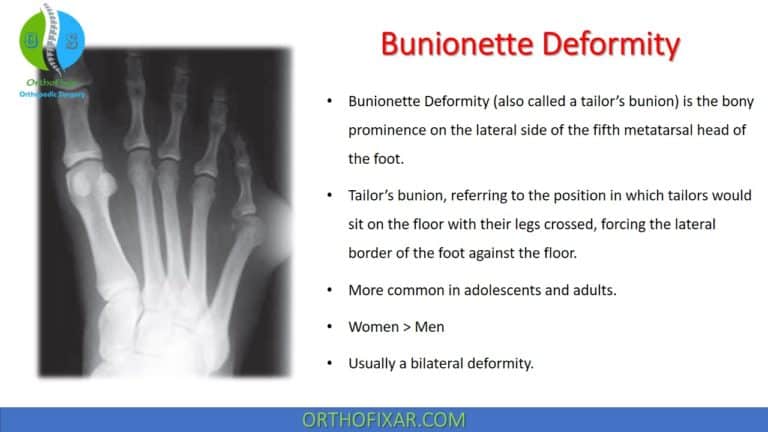
Bunionette Deformity (also called a tailor’s bunion) is the bony prominence on the lateral side of the fifth…
Read Full Entry →