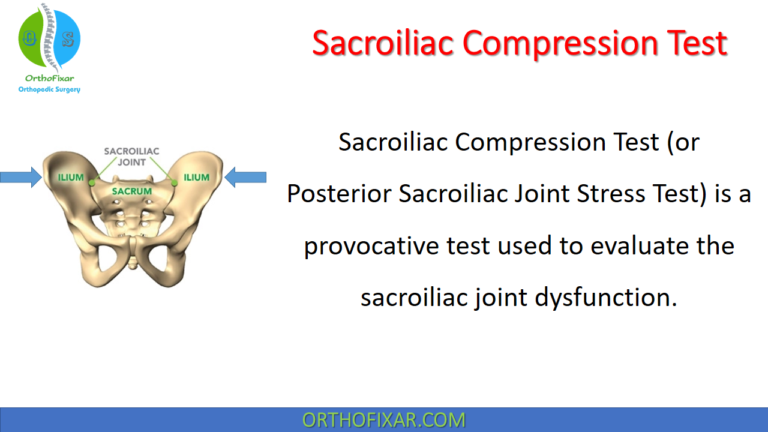
Sacroiliac Compression Test
Sacroiliac Compression Test (or Posterior Sacroiliac Joint Stress Test) is a provocative test used to evaluate the sacroiliac…
Read Full Entry →This section contains all the Special Tests for Spine examination. Learn how to examine and diagnosis the Spine region.
Sacroiliac Compression Test (or Posterior Sacroiliac Joint Stress Test) is a provocative test used to evaluate the sacroiliac…
Read Full Entry →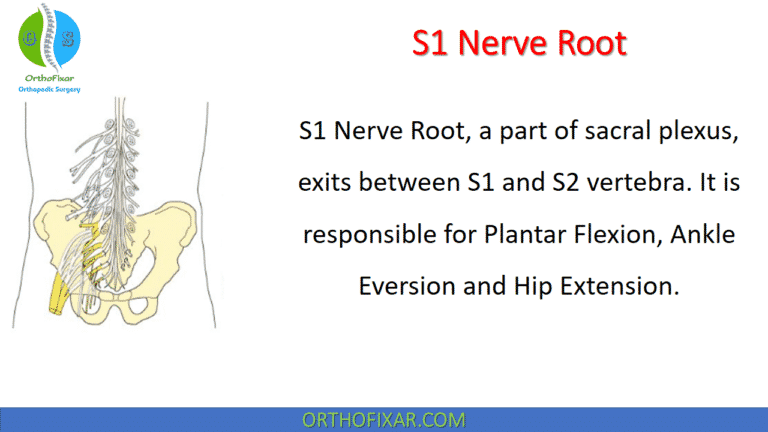
S1 Nerve Root, a part of sacral plexus, exits between S1 and S2 vertebra. It is responsible for…
Read Full Entry →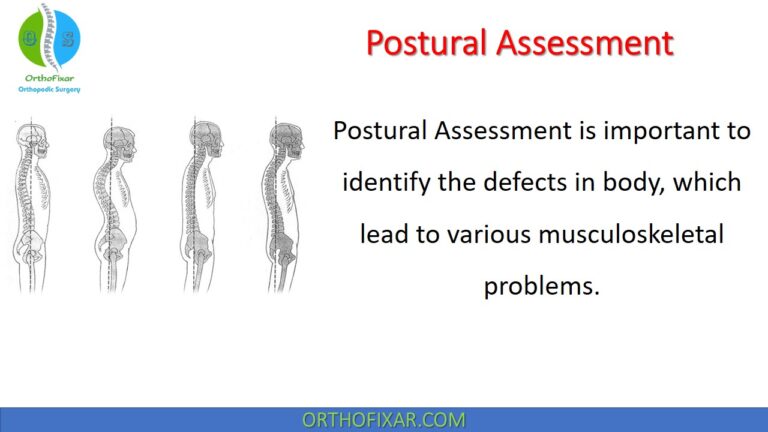
Postural Assessment is important to identify the defects in body, which lead to various musculoskeletal problems.
Read Full Entry →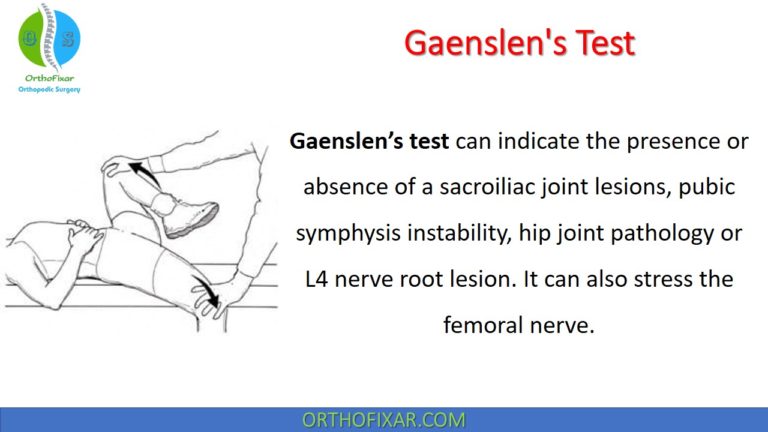
Gaenslen’s test can indicate the presence or absence of a sacroiliac joint lesions, pubic symphysis instability, hip joint pathology…
Read Full Entry →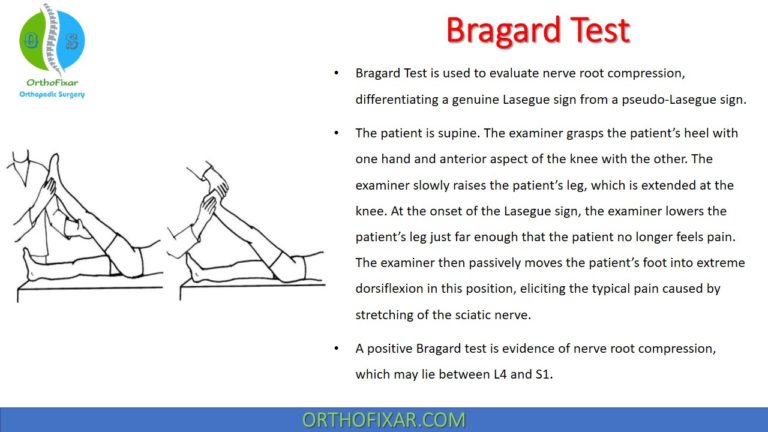
Bragard Test is used to evaluate nerve root compression, differentiating a genuine Lasegue sign from a pseudo-Lasegue sign.
Read Full Entry →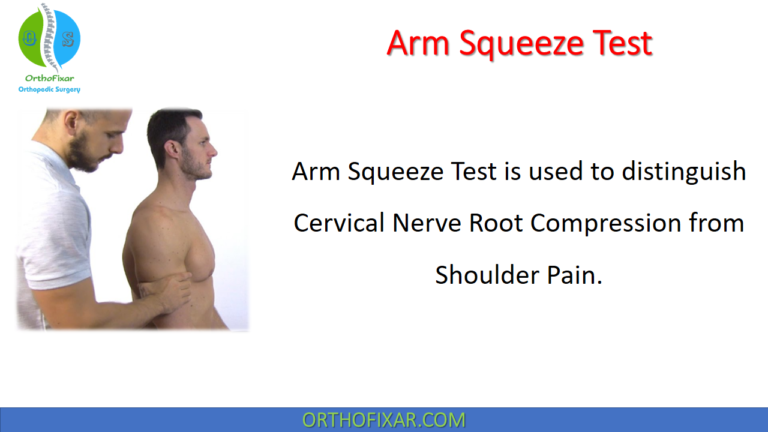
Arm Squeeze Test is used to distinguish Cervical Nerve Root Compression from Shoulder Pain.
Read Full Entry →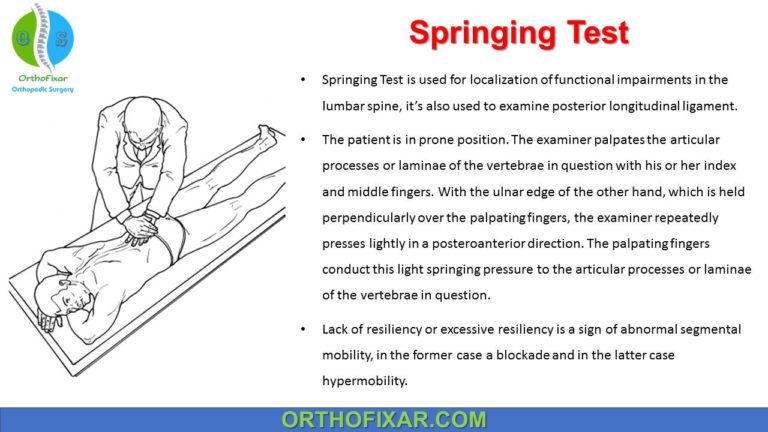
Springing Test is used for localization of functional impairments in the lumbar spine, it's also used to examine…
Read Full Entry →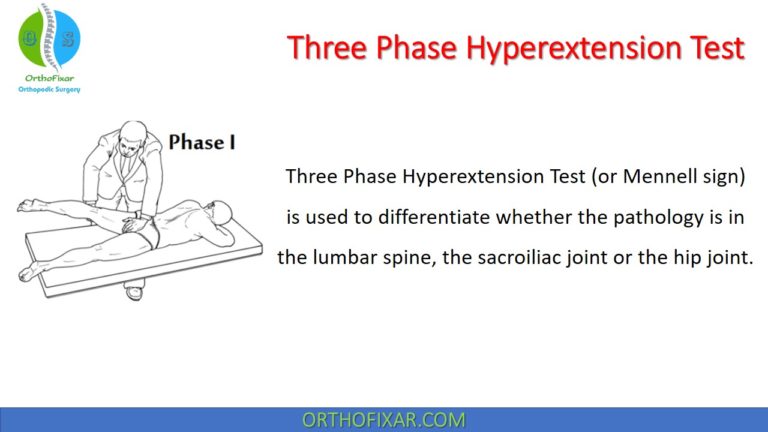
Three Phase Hyperextension Test (or Mennell sign) is used to differentiate whether the pathology is in the lumbar…
Read Full Entry →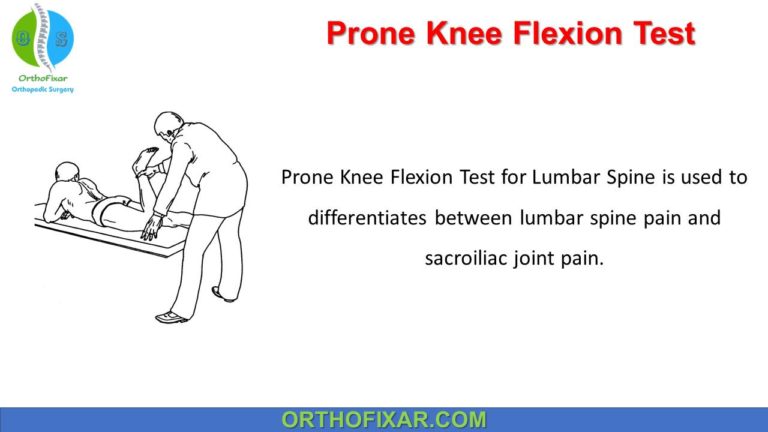
Prone Knee Flexion Test for Lumbar Spine is used to differentiates between lumbar spine pain and sacroiliac joint…
Read Full Entry →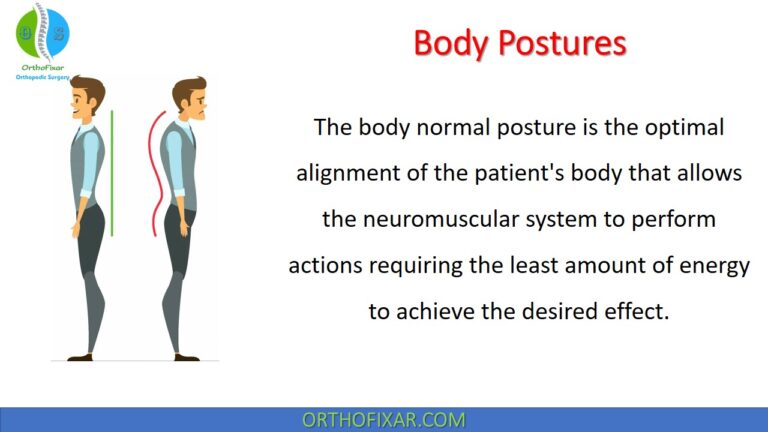
Abnormal or bad body posture is defined as positioning that deviates from the midrange position of function.
Read Full Entry →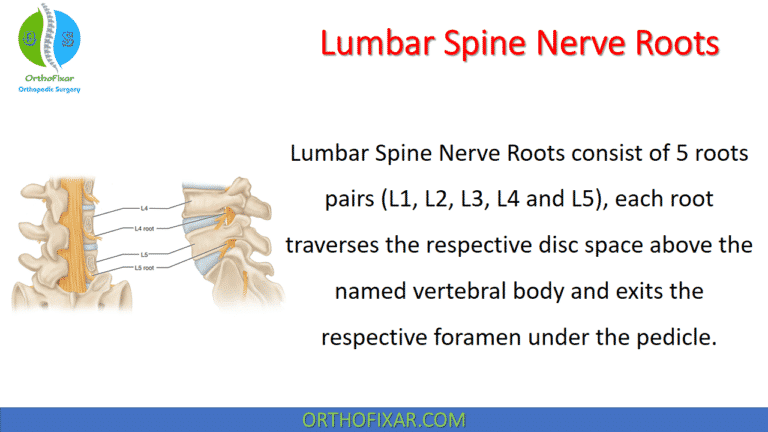
Lumbar Spine Nerve Roots consist of 5 roots pairs (L1, L2, L3, L4 and L5), each root traverses…
Read Full Entry →
Many physical fitness tests have been designed to evaluate the physical fitness of schoolchildren, armed services personnel, athletic…
Read Full Entry →