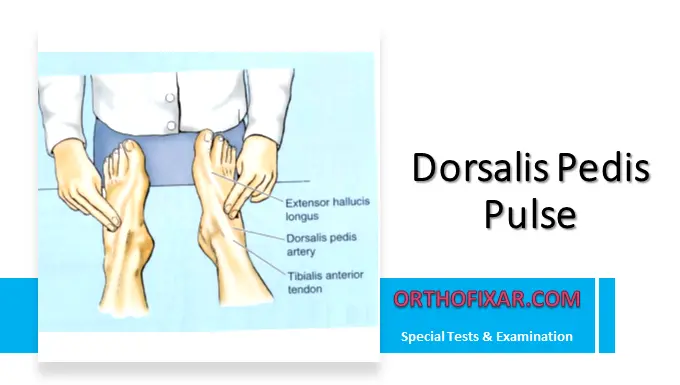
Dorsalis Pedis Pulse Location & Palpation
The dorsalis pedis pulse is a crucial component of lower limb vascular assessment. Palpating this pulse helps clinicians…
Read Full Entry →General clinical examination and special tests in orthopedic and other medical specialties. Learn clinical examination easily.
The dorsalis pedis pulse is a crucial component of lower limb vascular assessment. Palpating this pulse helps clinicians…
Read Full Entry →
Kehr's sign is a classic clinical finding characterized by referred pain to the left shoulder, particularly at the…
Read Full Entry →
The Weber Barstow maneuver is a visual method for assessing leg length inequality in the supine position. It…
Read Full Entry →
The infant physical examination is a systematic clinical evaluation performed to assess the health, growth, and development of…
Read Full Entry →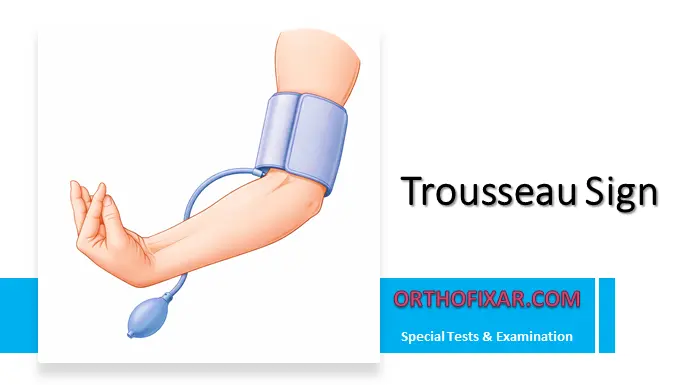
Trousseau sign is an important bedside clinical sign used to detect latent hypocalcemia. It is commonly assessed during…
Read Full Entry →
The Chvostek sign is a clinical indicator of neuromuscular excitability, typically associated with hypocalcemia (low calcium in the…
Read Full Entry →
The posterior tibial pulse (PT pulse) is a key component of the lower limb vascular examination. Accurate palpation…
Read Full Entry →
Assessment of the popliteal artery pulse is a fundamental component of the lower limb vascular examination. Although more…
Read Full Entry →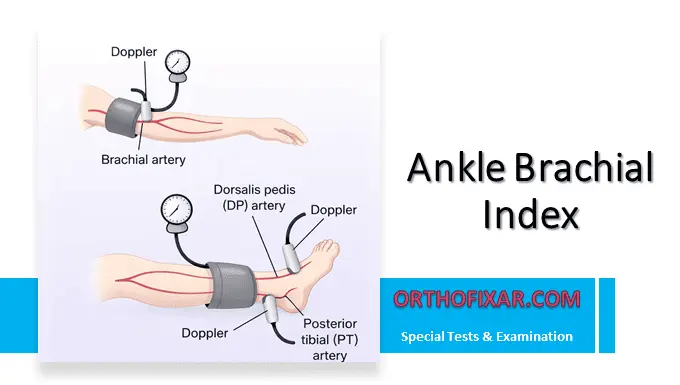
The ankle brachial index test (ABI test) is a simple, reliable, and noninvasive bedside test used to diagnose…
Read Full Entry →
Pain assessment is a core clinical skill and one of the most common reasons patients seek medical care.…
Read Full Entry →
Core body temperature reflects the temperature of the body’s internal environment and is a vital indicator of physiologic…
Read Full Entry →
Body Mass Index (BMI) is one of the most widely used clinical tools to assess whether an adult’s…
Read Full Entry →