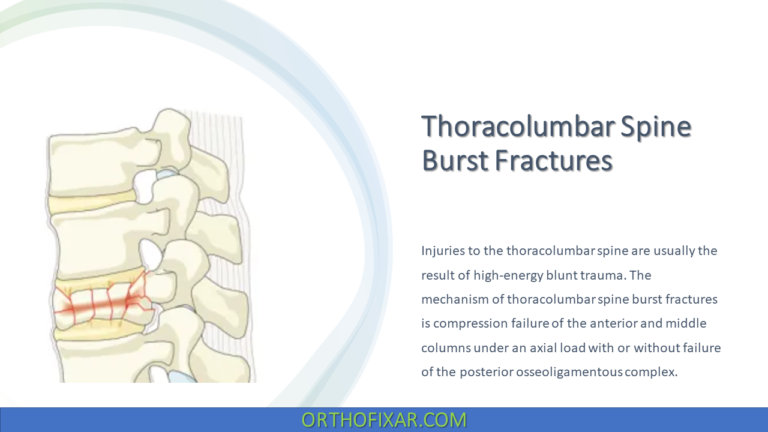
Thoracolumbar Spine Burst Fractures
The mechanism of thoracolumbar spine burst fractures is compression failure of the anterior and middle columns under an…
Read Full Entry →Topics in orthopedic trauma surgery. Fractures, dislocation and injuries of the upper and lower limbs.
The mechanism of thoracolumbar spine burst fractures is compression failure of the anterior and middle columns under an…
Read Full Entry →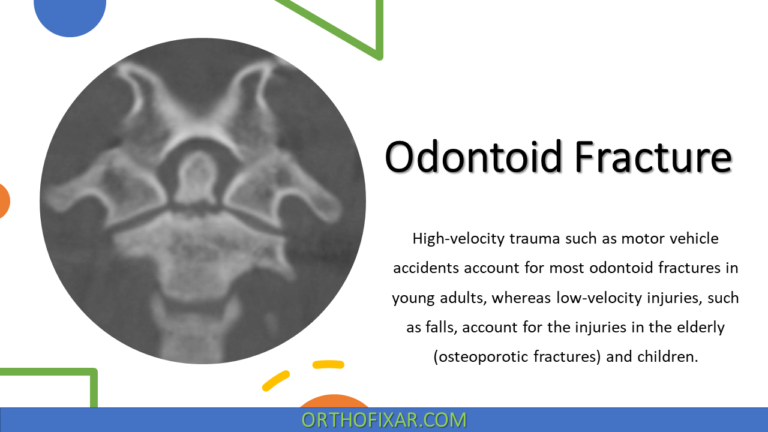
Odontoid fractures constitute 8–18% of all cervical fractures, with neurological deficits occurring in 10–20% of cases.
Read Full Entry →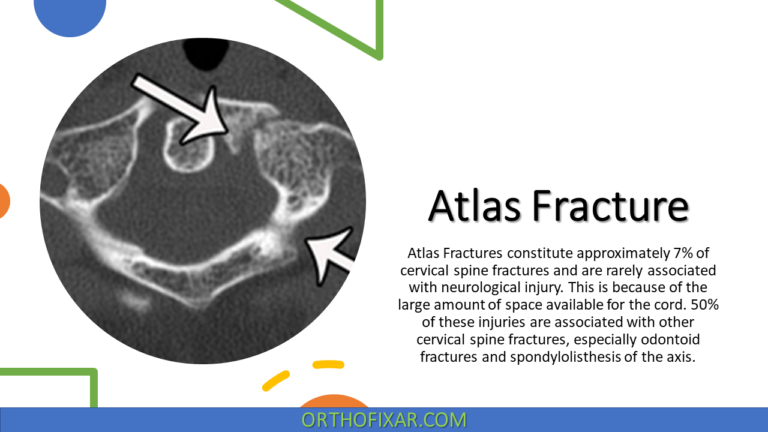
Atlas Fracture constitute approximately 7% of cervical spine fractures and are rarely associated with neurological injury.
Read Full Entry →
Occipitocervical Dissociation, also known as craniovertebral dissociations, are high-energy injuries resulting from a combination of hyperextension, distraction and…
Read Full Entry →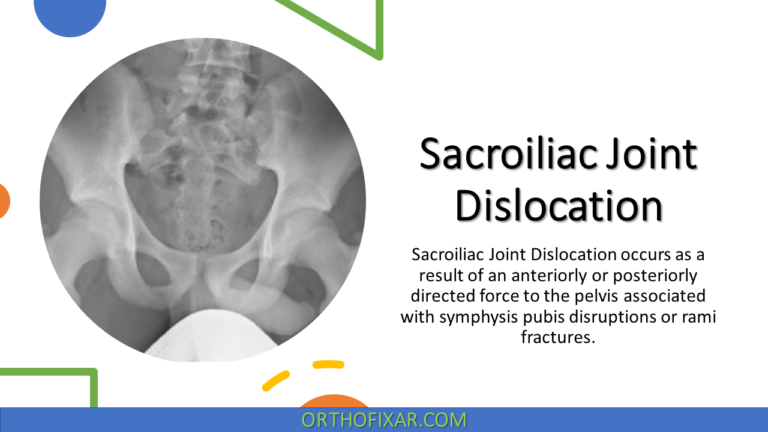
Sacroiliac Joint Dislocation occurs as a result of an anteriorly or posteriorly directed force to the pelvis associated…
Read Full Entry →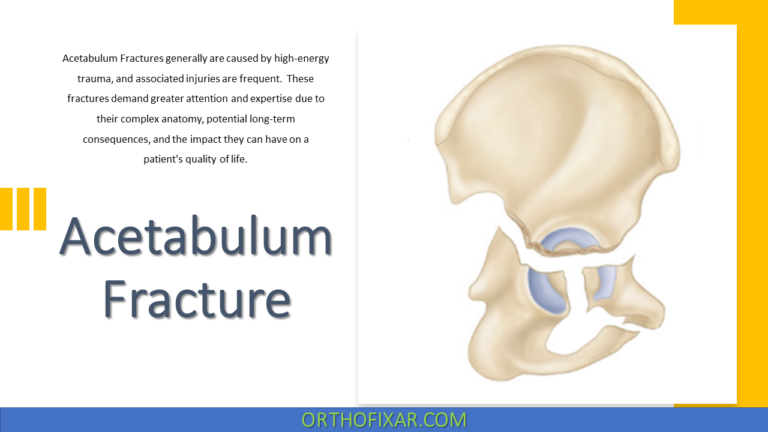
Acetabulum Fractures generally are caused by high-energy trauma, and associated injuries are frequent.
Read Full Entry →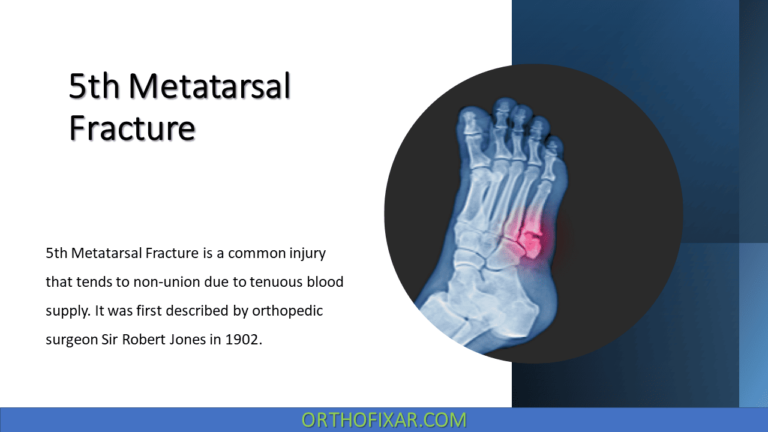
5th Metatarsal Fracture is a common injury that tends to nonunion due to tenuous blood supply. It was first…
Read Full Entry →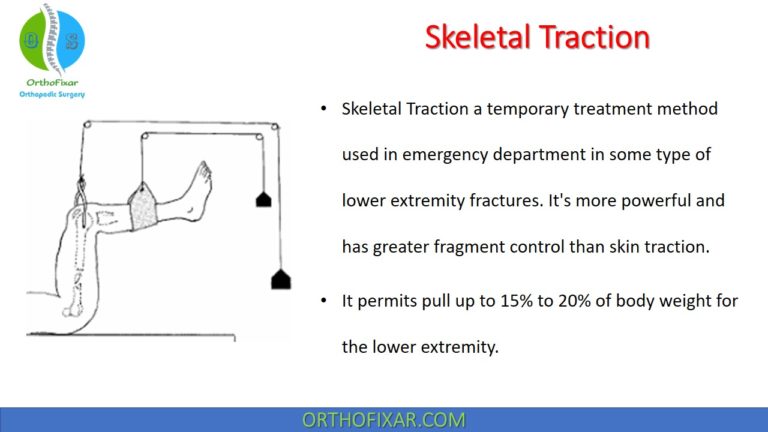
Skeletal Traction is a temporary treatment method used in emergency department in some type of lower extremity fractures.
Read Full Entry →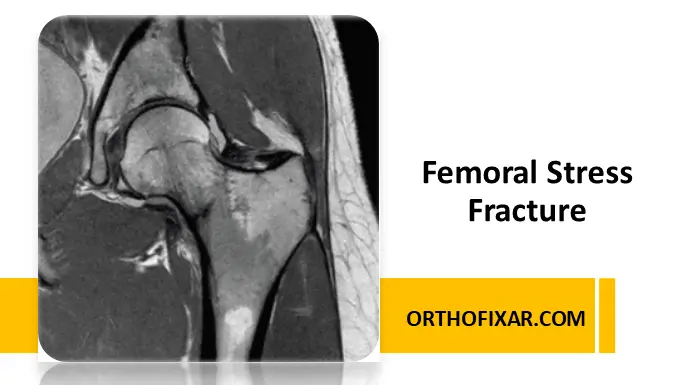
Femoral Stress Fracture typically occurs on the superior side (tension-side fractures) or the inferior side (compression side fractures)…
Read Full Entry →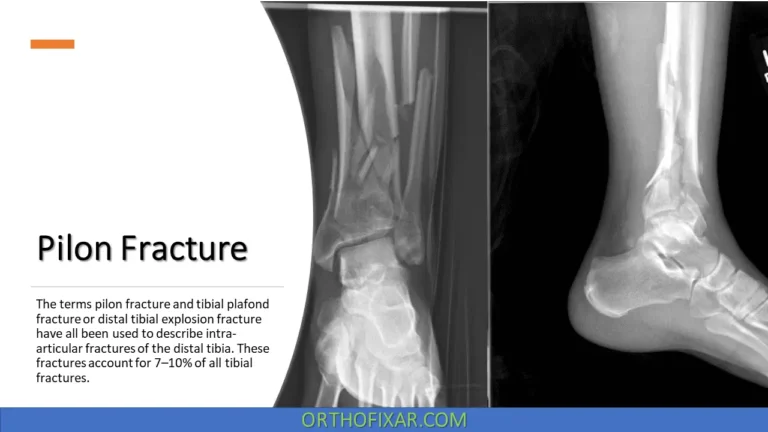
The terms pilon fracture and tibial plafond fracture or distal tibial explosion fracture have all been used to…
Read Full Entry →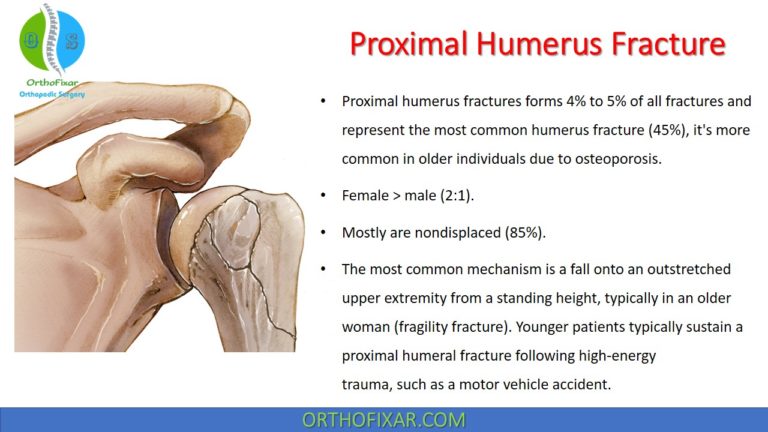
Proximal humerus fractures forms 4% to 5% of all fractures and represent the most common humerus fracture (45%).
Read Full Entry →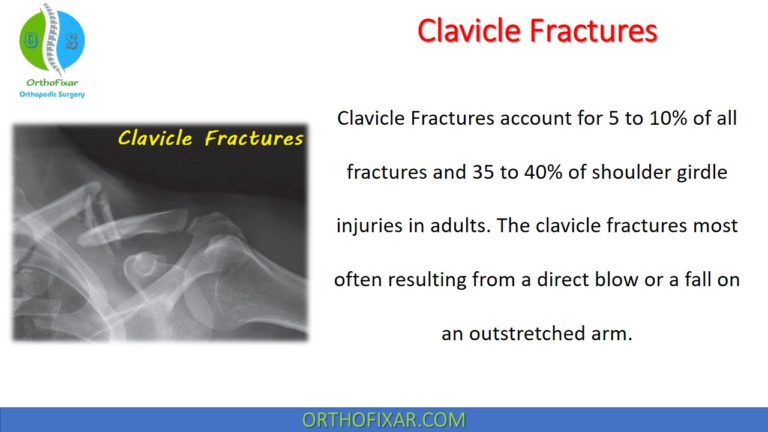
Clavicle Fractures account for 5 to 10% of all fractures and 35 to 40% of shoulder girdle injuries…
Read Full Entry →