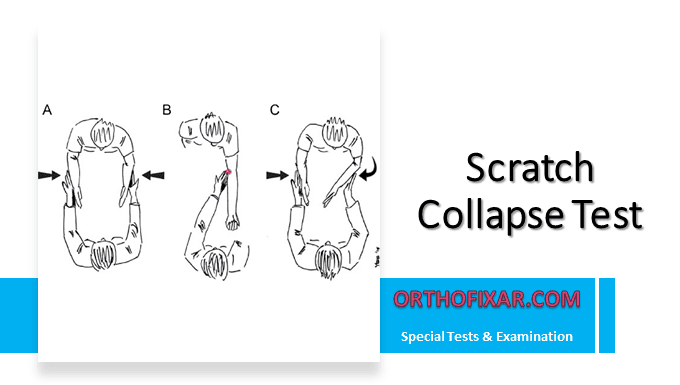
Scratch Collapse Test
The Scratch Collapse Test (SCT) represents an innovative diagnostic technique in identifying nerve compression syndromes. First described by…
Read Full Entry →Neurological Examination contains all special test used to evaluate the nervous system, sensory and motor responses, especially reflexes.
The Scratch Collapse Test (SCT) represents an innovative diagnostic technique in identifying nerve compression syndromes. First described by…
Read Full Entry →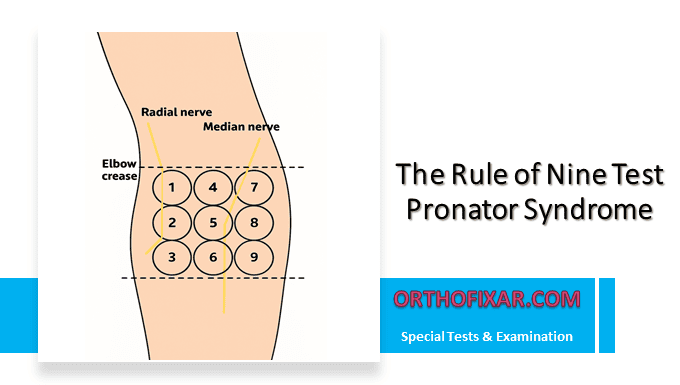
The Rule of Nine Test is a specialized clinical examination technique used to diagnose pronator syndrome, a condition…
Read Full Entry →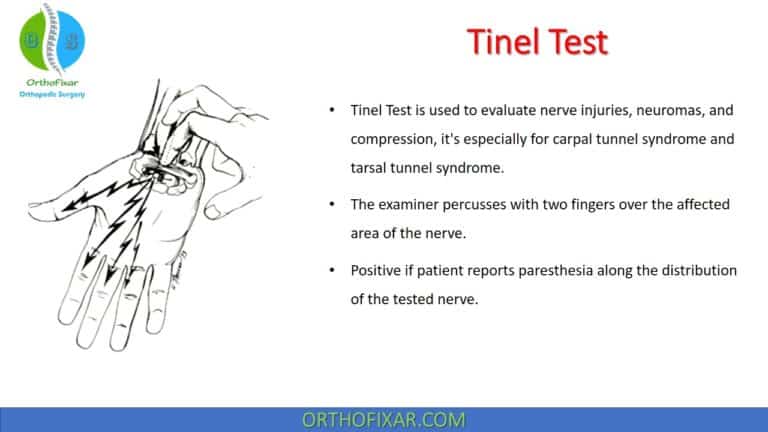
Tinel Test is used to evaluate nerve injuries, neuromas, and compression especially carpal tunnel syndrome.
Read Full Entry →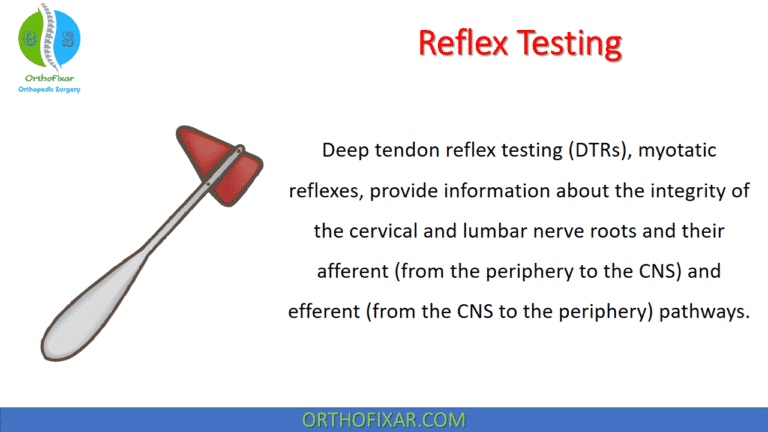
Deep tendon reflex testing, myotatic reflexes, provide information about the integrity of the cervical and lumbar nerve roots.
Read Full Entry →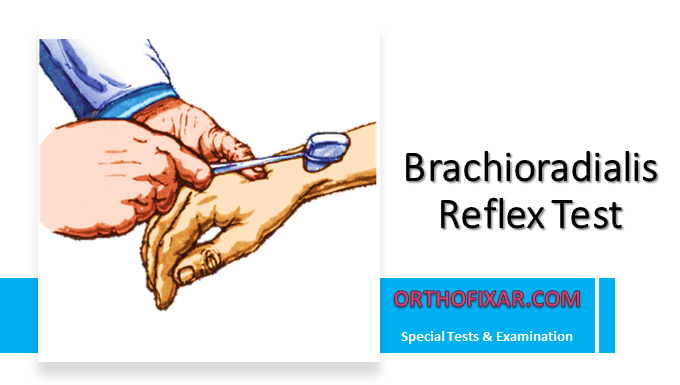
Tapping just above the styloid process of the radius with the forearm in semiflexion and semipronation causes flexion…
Read Full Entry →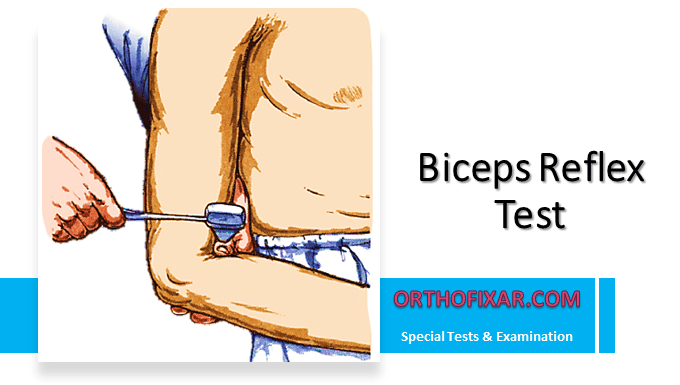
The patient is position in sitting looking away from the tested side, while the examiner stands to the…
Read Full Entry →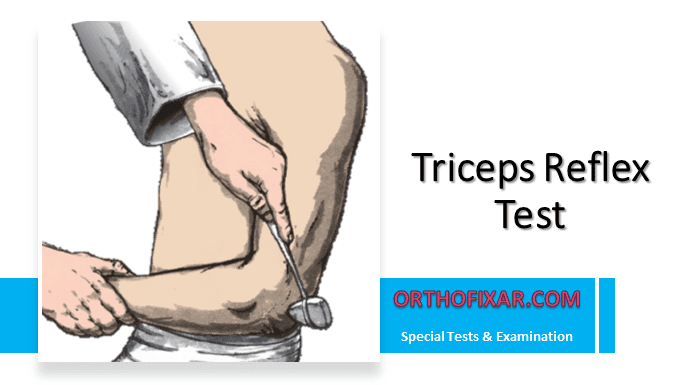
The triceps reflex provides valuable information about the integrity of the C7-C8 nerve roots and corresponding spinal cord…
Read Full Entry →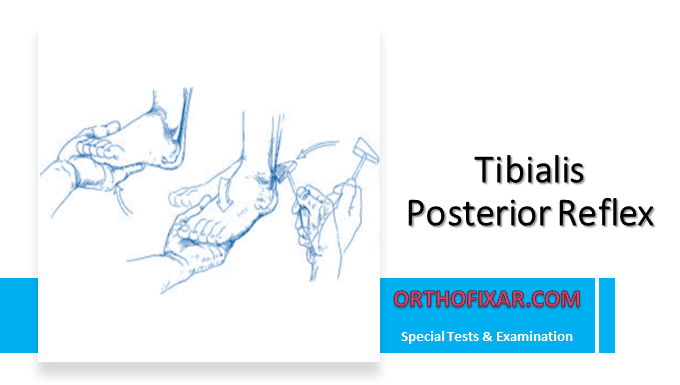
The tibialis posterior reflex is evaluated in the seated patient. The examiner holds the patient’s foot in a…
Read Full Entry →
The Medial hamstring reflex is mediated by tibial portion of the sciatic nerve, primarily by the L5 nerve…
Read Full Entry →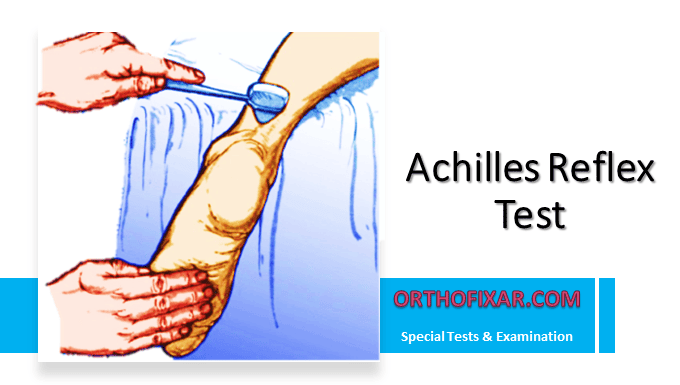
The Achilles Tendon Reflex or ankle jerk is obtained by striking the Achilles tendon just above its insertion…
Read Full Entry →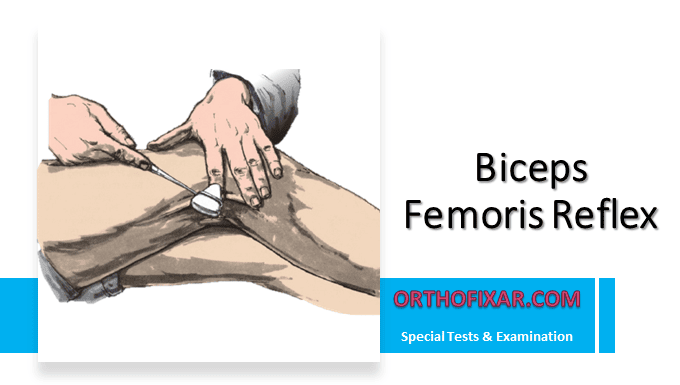
With the patient sitting, recumbent, or lying on the opposite side and the knee moderately flexed, the examiner’s…
Read Full Entry →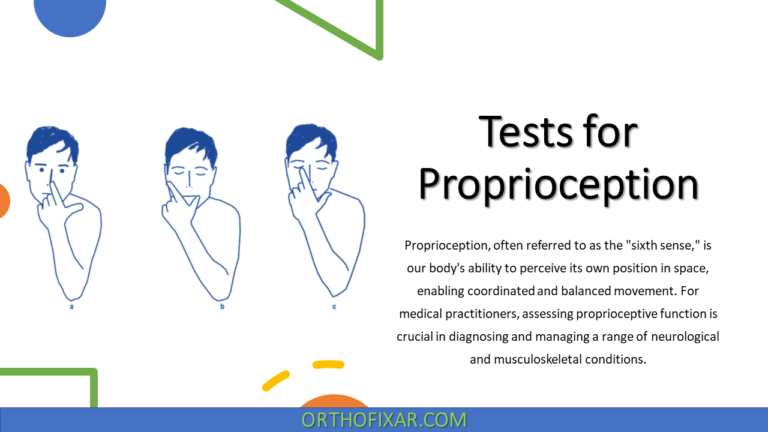
Proprioception, often referred to as the "sixth sense," is our body's ability to perceive its own position in…
Read Full Entry →