Apley Grinding Test
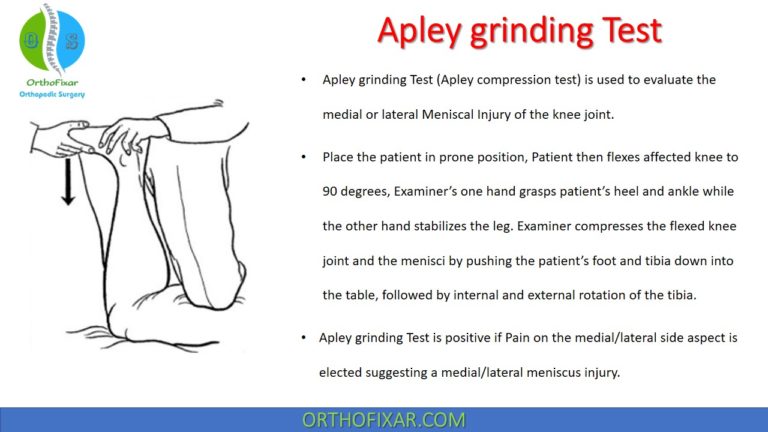
Apley grinding Test (Apley compression test) is used to evaluate the medial or lateral Meniscal Injury of the knee…
Read Full Entry →Special Test for orthopedic surgeon…
Apley grinding Test (Apley compression test) is used to evaluate the medial or lateral Meniscal Injury of the knee…
Read Full Entry →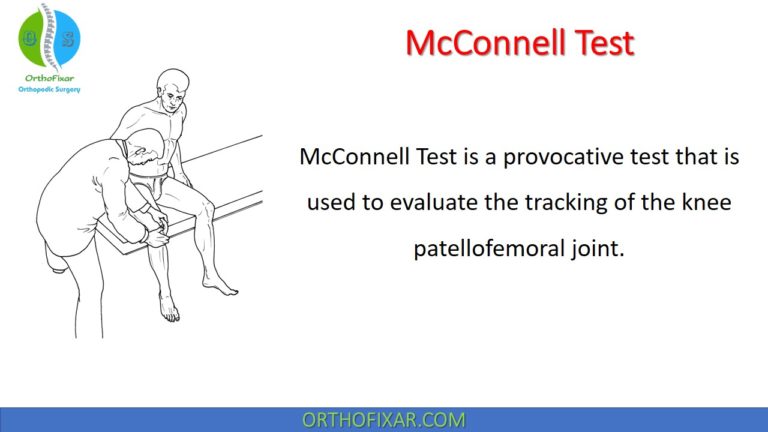
McConnell Test is a provocative test that is used to evaluate the tracking of the knee patellofemoral joint.
Read Full Entry →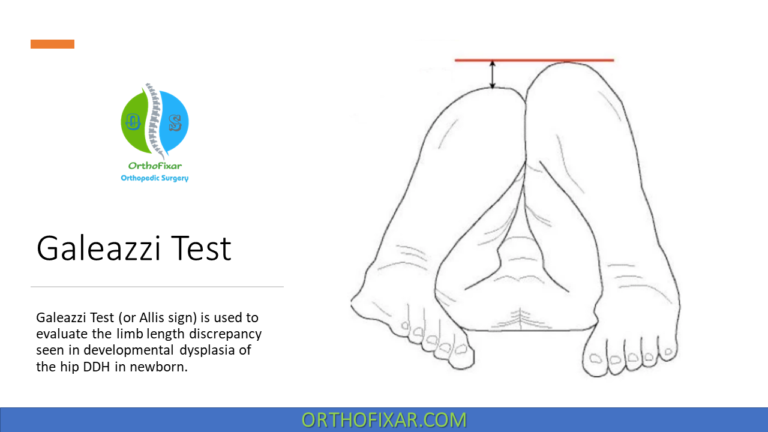
Galeazzi Test (or Allis sign) is used to evaluate the limb length discrepancy seen in developmental dysplasia of…
Read Full Entry →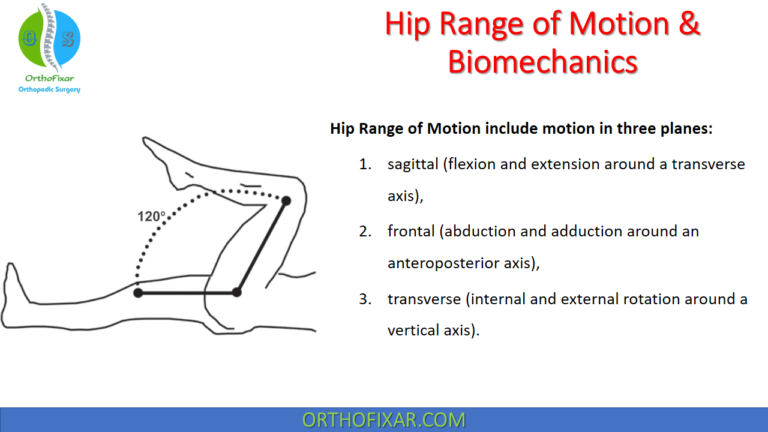
Hip range of motion is variable. Hip flexion averages 110–120 degrees, extension 10–15 degrees, abduction 30–50 degrees, and…
Read Full Entry →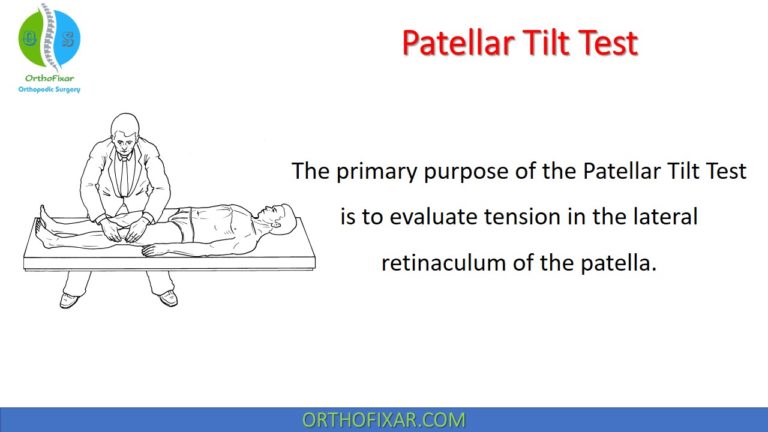
The primary purpose of the Patellar Tilt Test is to evaluate tension in the lateral retinaculum of the…
Read Full Entry →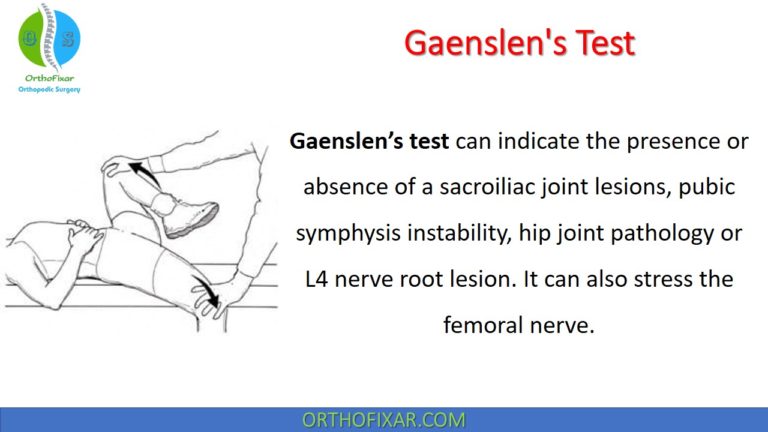
Gaenslen’s test can indicate the presence or absence of a sacroiliac joint lesions, pubic symphysis instability, hip joint pathology…
Read Full Entry →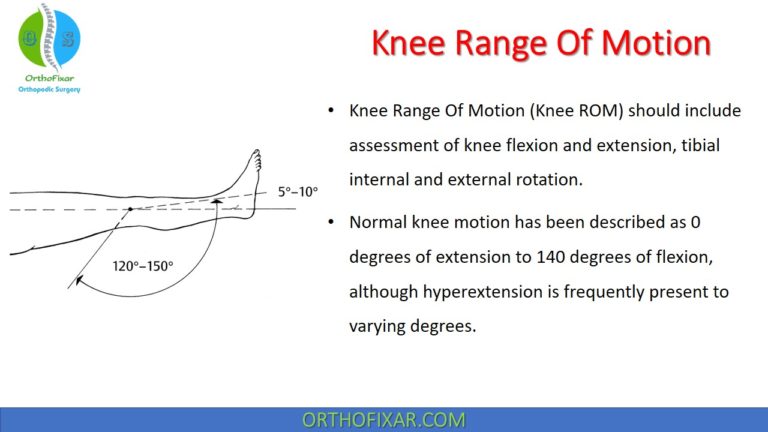
Knee Range Of Motion (Knee ROM) should include assessment of knee flexion and extension, tibial internal and external…
Read Full Entry →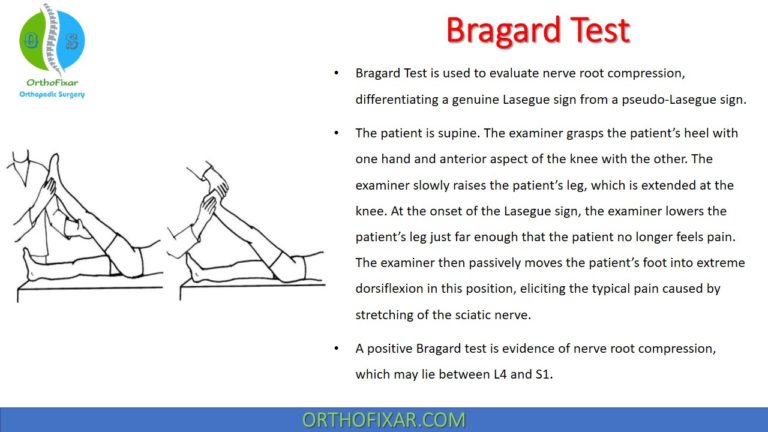
Bragard Test is used to evaluate nerve root compression, differentiating a genuine Lasegue sign from a pseudo-Lasegue sign.
Read Full Entry →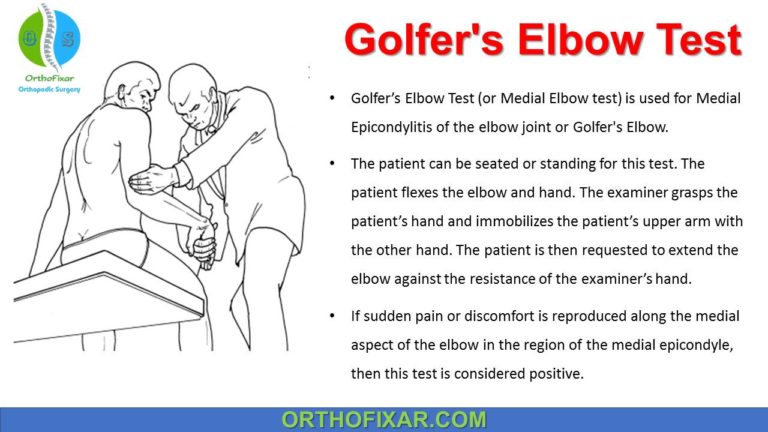
Golfer’s Elbow Test (or Medial Elbow test) is used for Medial Epicondylitis of the elbow joint or Golfer's…
Read Full Entry →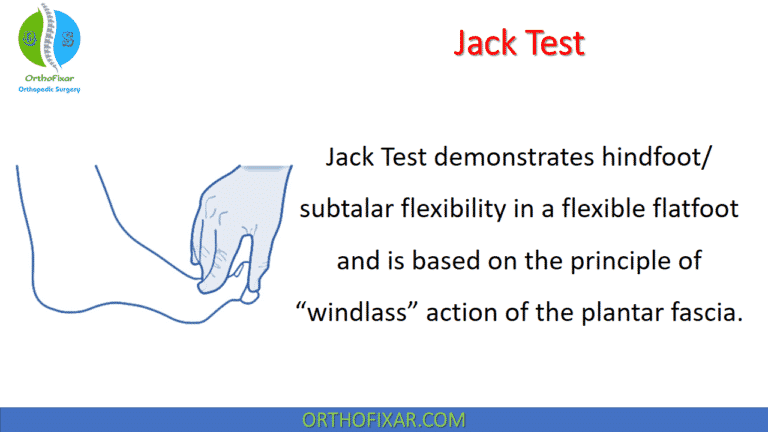
Jack Test demonstrates hindfoot/ subtalar flexibility in a flexible flatfoot and is based on the principle of “windlass”…
Read Full Entry →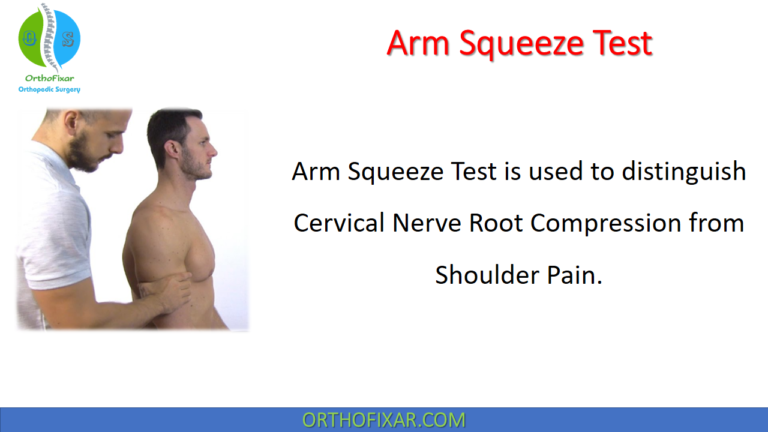
Arm Squeeze Test is used to distinguish Cervical Nerve Root Compression from Shoulder Pain.
Read Full Entry →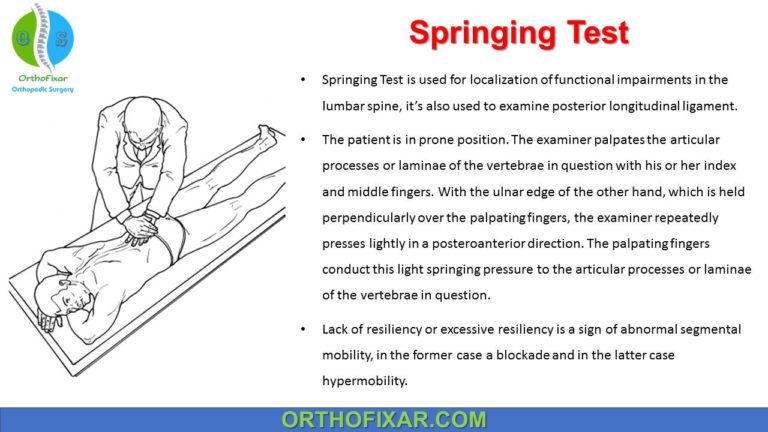
Springing Test is used for localization of functional impairments in the lumbar spine, it's also used to examine…
Read Full Entry →