Bier block anesthesia, also known as intravenous regional anesthesia (IVRA), is a simple, reliable, and cost-effective technique used for short procedures on the extremities—particularly the upper limb. First described by August Bier in 1908, it remains widely used in emergency medicine and orthopedic settings.
📌 Overview
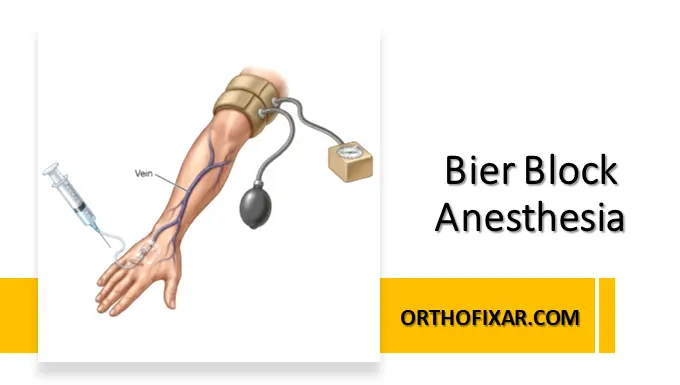
Bier block involves the intravenous injection of a local anesthetic into a limb that has been isolated from systemic circulation using a tourniquet. This allows rapid onset of anesthesia confined to the targeted extremity.
See Also: Local Anesthetics
🎯 Indications
Bier block is best suited for short-duration procedures (typically <60 minutes) involving the distal extremities:
- Hand and wrist surgeries
- Closed fracture reductions (e.g., distal radius fractures)
- Foreign body removal
- Carpal tunnel release
- Minor soft tissue procedures
⚙️ Bier Block Technique (Step-by-Step)
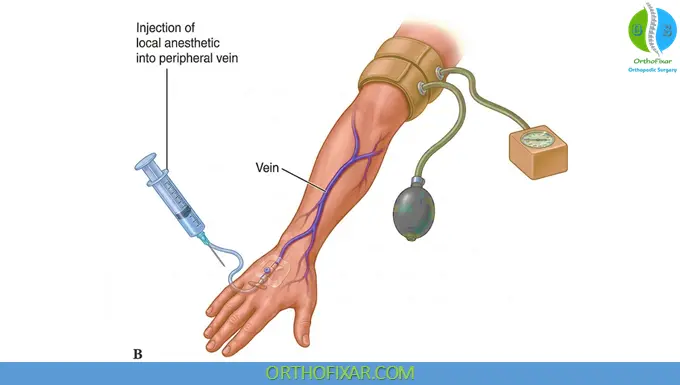
1. Intravenous Access
- Insert an IV catheter into a distal vein (usually on the dorsum of the hand).
- Do not start continuous IV fluid infusion.
2. Tourniquet Placement
- Apply a double tourniquet to the upper arm.
- Ensure adequate padding to reduce discomfort and nerve injury.
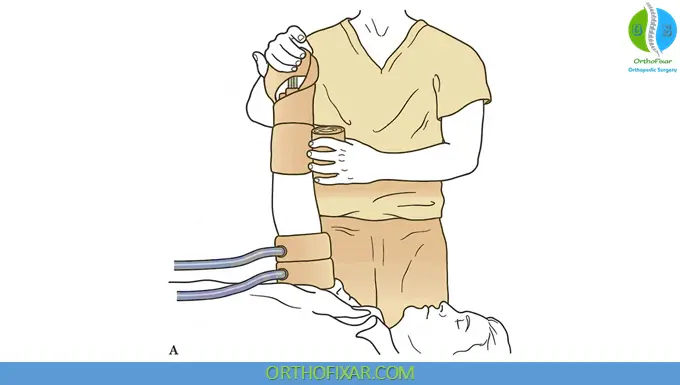
3. Limb Exsanguination
- Elevate the limb and use an Esmarch bandage or gravity to exsanguinate the extremity.
4. Tourniquet Inflation
- Inflate the proximal tourniquet (typically 100–150 mmHg above systolic BP).
5. Local Anesthetic Injection
- Inject lidocaine (without epinephrine and preservative-free):
- Dose: 1.5 mg/kg (dilute) or up to 3 mg/kg
- Typical volume: ~40–50 mL of 0.5% solution
6. Tourniquet Management
- Maintain inflation for at least 25–30 minutes to prevent systemic toxicity.
- If tourniquet pain develops:
- Inflate the distal tourniquet
- Then deflate the proximal one
💊 Pharmacology Considerations
- Lidocaine is preferred due to its rapid onset and intermediate duration.
- Avoid:
- Epinephrine (risk of ischemia)
- Preservatives (potential toxicity)
See Also: Local Steroid Injection
⚠️ Risks and Complications
Common
- Tourniquet pain (most frequent limitation)
- Discomfort leading to premature termination
Serious (Rare but Critical)
- Local anesthetic systemic toxicity (LAST)
- Occurs if the tourniquet is released too early
- Sudden bolus of lidocaine enters systemic circulation
Potential Toxic Effects:
- Central Nervous System (CNS):
- Tinnitus, dizziness, seizures
- Cardiovascular:
- Arrhythmias, hypotension, cardiac arrest
🚨 Safety Pearls
- Never deflate the tourniquet before 25 minutes
- Use incremental deflation (deflate → reinflate → deflate) to reduce toxicity risk
- Continuous monitoring: ECG, blood pressure, oxygen saturation
- Be prepared to manage LAST (e.g., lipid emulsion therapy)
📊 Advantages
- Rapid onset of anesthesia
- Technically simple
- Minimal equipment required
- Excellent analgesia for short procedures
❌ Limitations
- Limited duration due to tourniquet tolerance
- Not suitable for long or complex surgeries
- Requires patient cooperation
📚 Evidence and Clinical Relevance
Studies indexed in PubMed and anesthesia literature confirm that Bier block remains a safe and effective technique when performed correctly, particularly in emergency departments for fracture reduction and minor surgeries.
🧠 Key Takeaways
- Bier block = IV regional anesthesia with a tourniquet
- Ideal for short upper extremity procedures
- Tourniquet time is critical for safety
- Watch closely for systemic toxicity
- Simple, effective, but requires strict adherence to protocol
References & More
- Vaughn N, Rajan N, Darowish M. Intravenous Regional Anesthesia Using a Forearm Tourniquet: A Safe and Effective Technique for Outpatient Hand Procedures. Hand (N Y). 2020 May;15(3):353-359. doi: 10.1177/1558944718812190. Epub 2018 Nov 21. PMID: 30461326; PMCID: PMC7225888. Pubmed
- Nkemngu NJ, Rondeau B, Dua A, et al. Bier Block. [Updated 2025 Dec 13]. In: StatPearls [Internet]. Treasure Island (FL): StatPearls Publishing; 2026 Jan-. Available from: Pubmed
- Bucholz RW, Heckman JD, eds. Rockwood andGreen’s Fractures in Adults. 5th ed. Philadelphia: Lippincott Williams & Wilkins; 2002:102.
- Egol KA. Handbook of fractures. 6th ed. Philadelphia: Lippincott Williams & Wilkins; 2019.