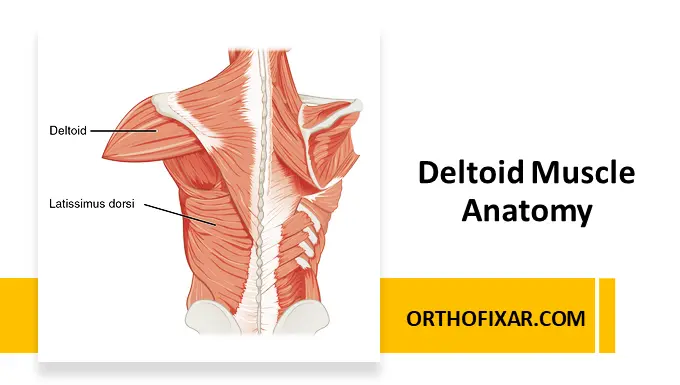
Deltoid Muscle Anatomy: Origin, Insertion, Innervation & Function
The deltoid muscle is a large triangular-shaped muscle located in the proximal upper extremity. It forms the rounded…
Read Full Entry →Clinical anatomy of the human body. Upper & lower limb, Head & neck, chest, abdomen and spine anatomy. Anatomy of bones, muscles, ligaments and joints.
The deltoid muscle is a large triangular-shaped muscle located in the proximal upper extremity. It forms the rounded…
Read Full Entry →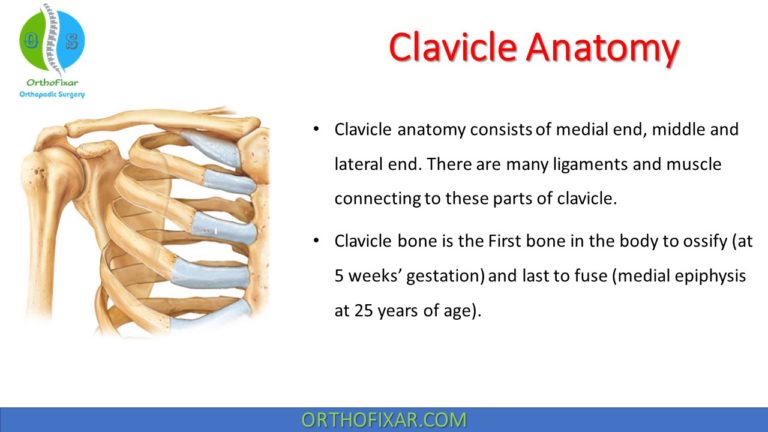
Clavicle anatomy consists of medial end, middle and lateral end. There are many ligaments and muscles connecting to…
Read Full Entry →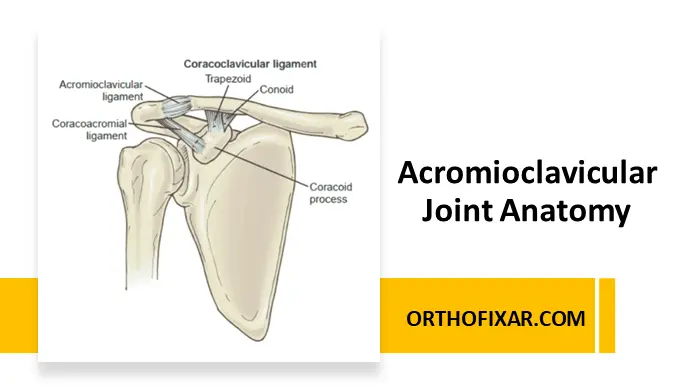
The acromioclavicular (AC) joint is a key anatomical structure of the shoulder girdle, playing a crucial role in…
Read Full Entry →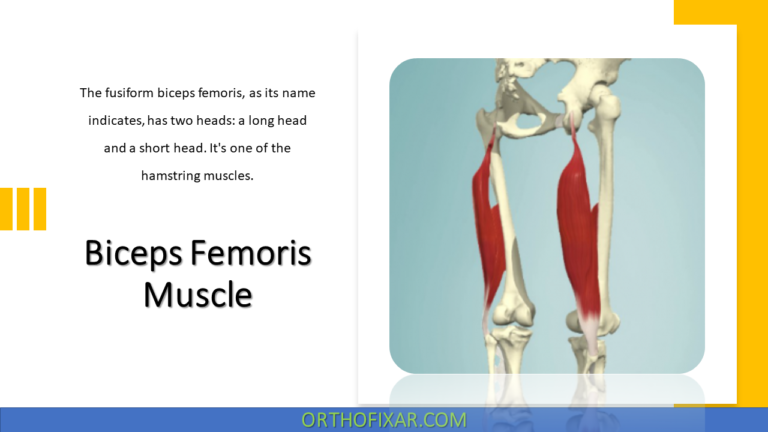
The hamstring muscles are (1) semitendinosus, (2) semimembranosus, and (3) biceps femoris (long head). The hamstring muscles (“hamstrings”…
Read Full Entry →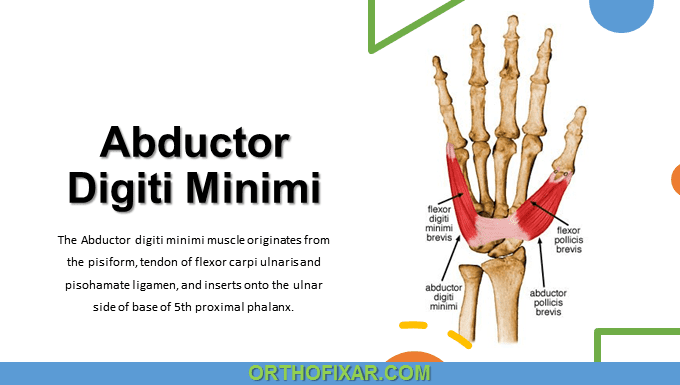
The hypothenar muscles (abductor digiti minimi, flexor digiti minimi brevis, and opponens digiti minimi) produce the hypothenar eminence…
Read Full Entry →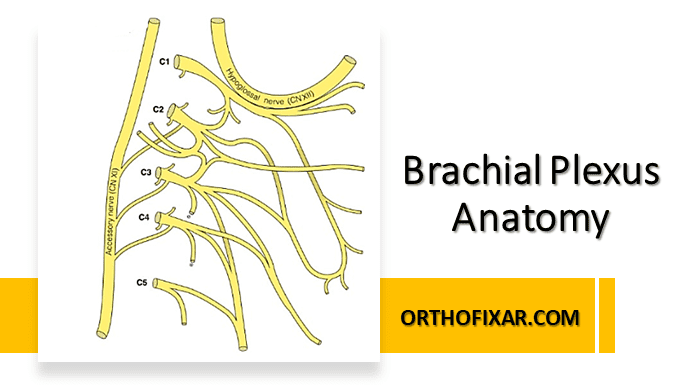
The brachial plexus Anatomy is a complicated network of nerves arises from the anterior rami of the cervical…
Read Full Entry →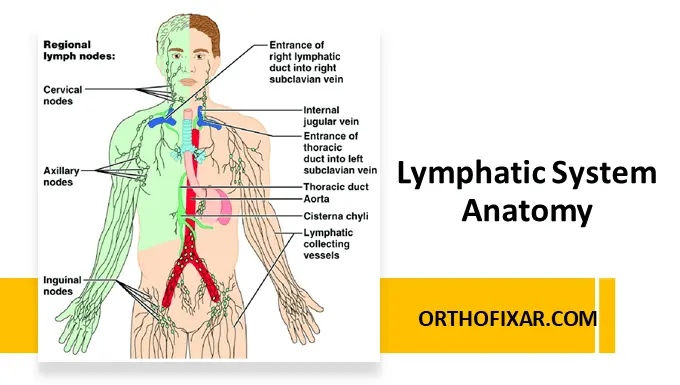
The lymphatic system is an extensive vascular drainage network that collects excess interstitial fluid, plasma proteins, cellular debris,…
Read Full Entry →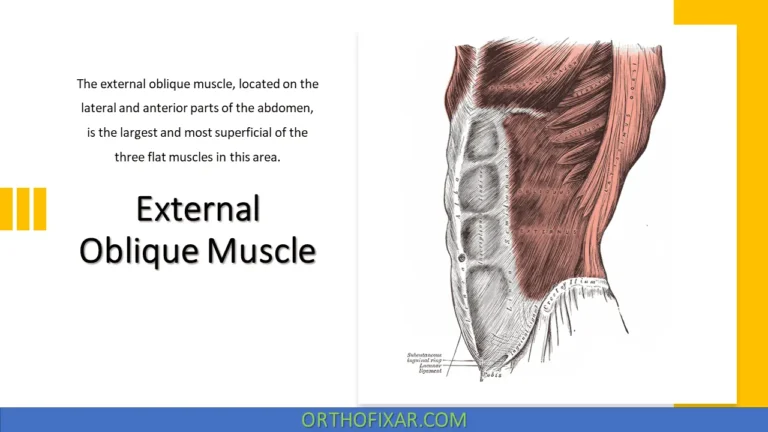
The external oblique muscle, located on the lateral and anterior parts of the abdomen, is the largest and…
Read Full Entry →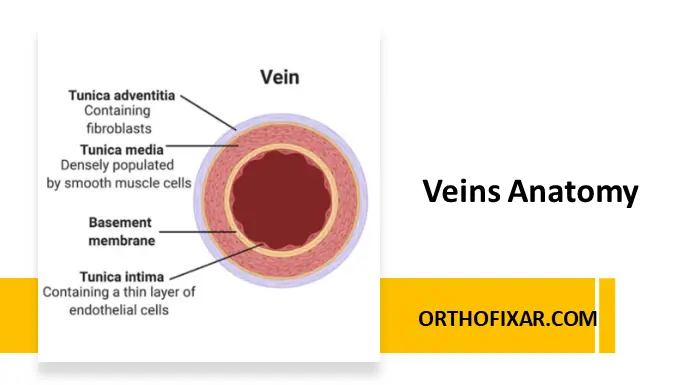
Veins are an essential component of the cardiovascular system, responsible for returning deoxygenated blood back to the heart.…
Read Full Entry →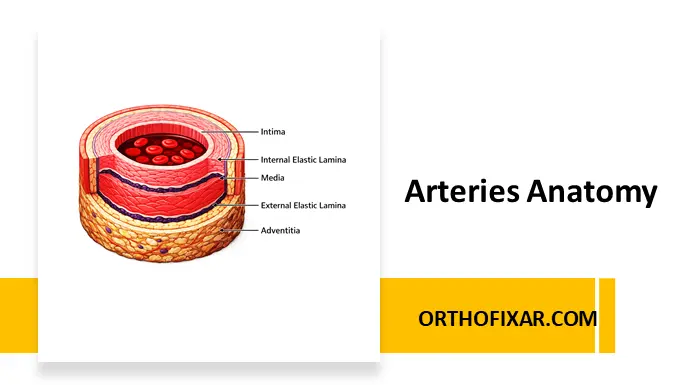
Arteries are the high‑pressure conduits that deliver oxygen‑rich blood from the heart to the systemic circulation. Understanding their…
Read Full Entry →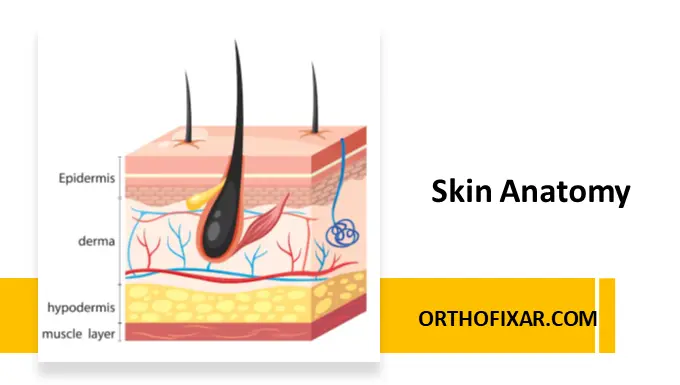
The skin is not merely a protective covering—it is a complex, multifunctional organ essential for survival, homeostasis, and…
Read Full Entry →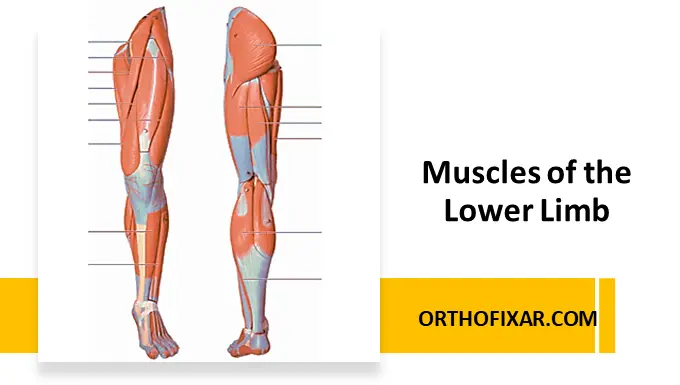
The muscles of the lower limb are highly specialized to support posture, locomotion, balance, and propulsion. Their coordinated…
Read Full Entry →