
Axillary Nerve Anatomy
The axillary nerve arises from the posterior cord of the brachial plexus, carrying nerve fibers from the C5…
Read Full Entry →Clinical anatomy of the human body. Upper & lower limb, Head & neck, chest, abdomen and spine anatomy. Anatomy of bones, muscles, ligaments and joints.
The axillary nerve arises from the posterior cord of the brachial plexus, carrying nerve fibers from the C5…
Read Full Entry →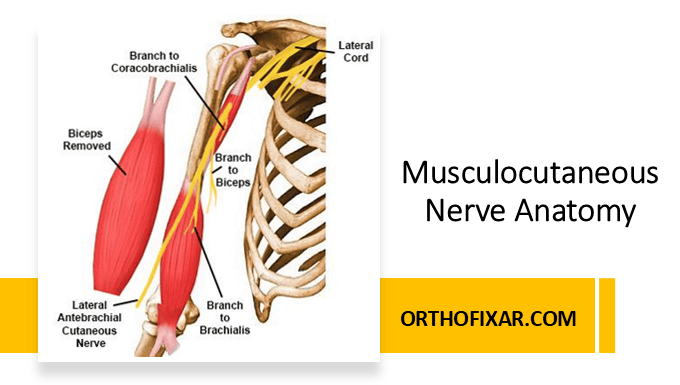
After originating from the lateral cord, the musculocutaneous nerve pierces the coracobrachialis muscle approximately 5–8 cm distal to…
Read Full Entry →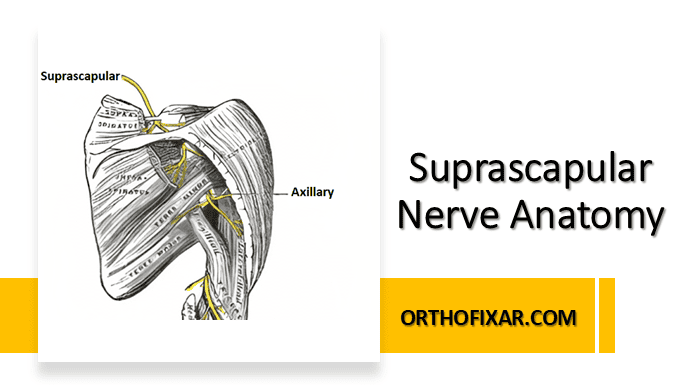
The suprascapular nerve anatomy begins at the superior trunk of the brachial plexus, specifically arising from nerve roots…
Read Full Entry →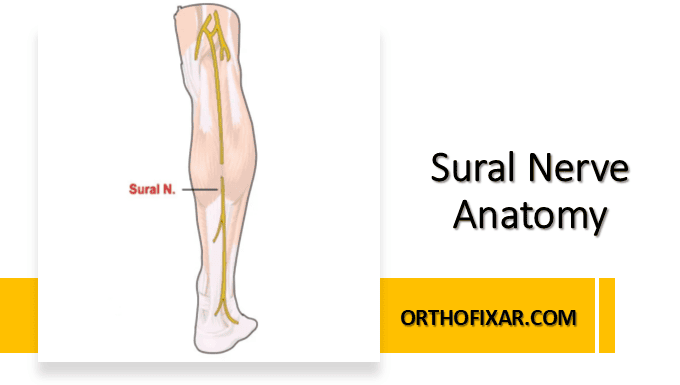
The sural nerve originates approximately 8-12 centimeters proximal to the lateral malleolus through the convergence of its two…
Read Full Entry →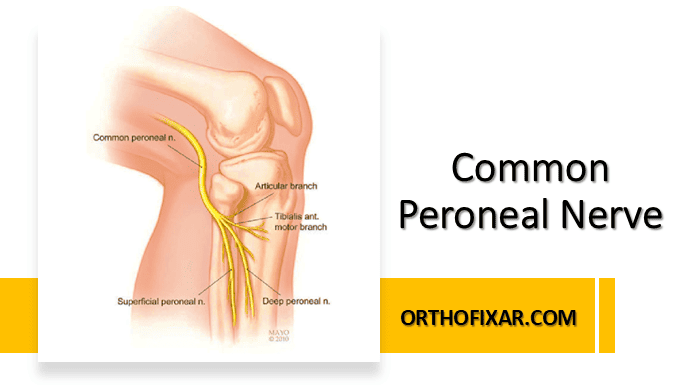
The common peroneal nerve originates as the lateral component of the sciatic nerve bifurcation, typically occurring at the…
Read Full Entry →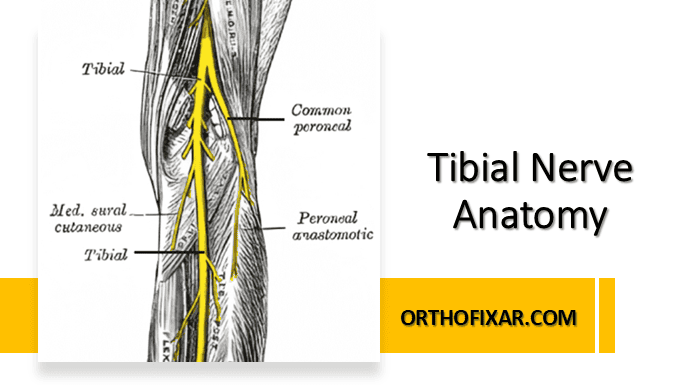
The tibial nerve develops from the ventral rami of spinal nerves L4 through S3. During embryological development, nerve…
Read Full Entry →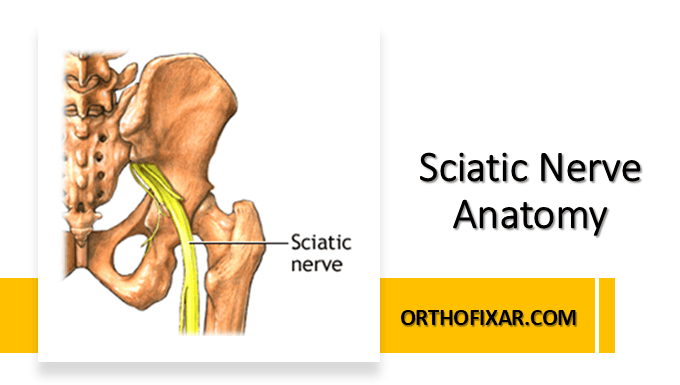
The sciatic nerve stands as the largest and longest peripheral nerve in the human body, serving as a…
Read Full Entry →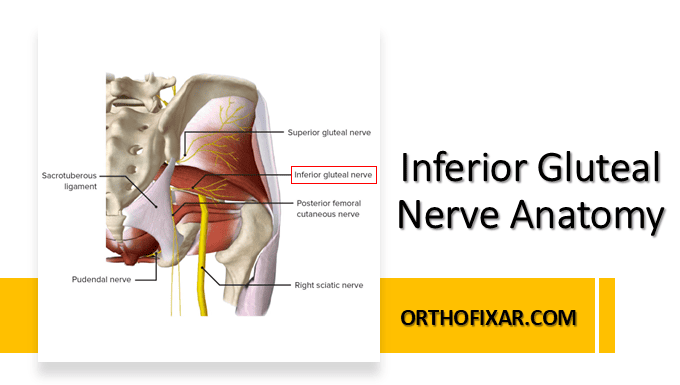
The inferior gluteal nerve arises from the lumbosacral plexus, specifically from the posterior divisions of the L5, S1,…
Read Full Entry →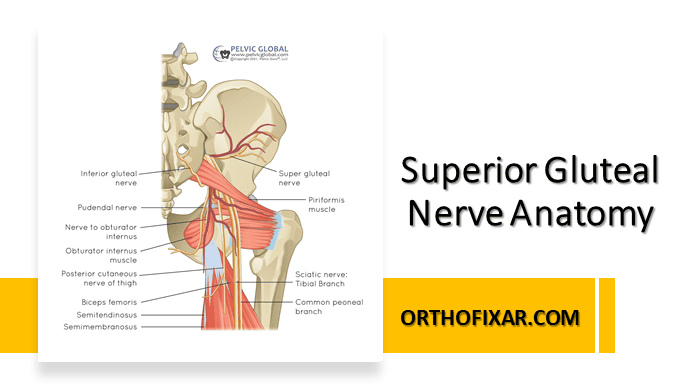
The superior gluteal nerve represents a critical neural structure within the gluteal region that warrants detailed understanding among…
Read Full Entry →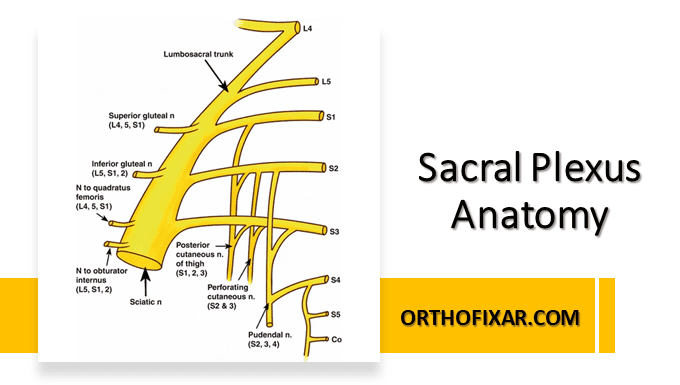
The sacral plexus forms from the anterior rami of L4-L5 and S1-S4 spinal nerve roots. Unlike its neighboring…
Read Full Entry →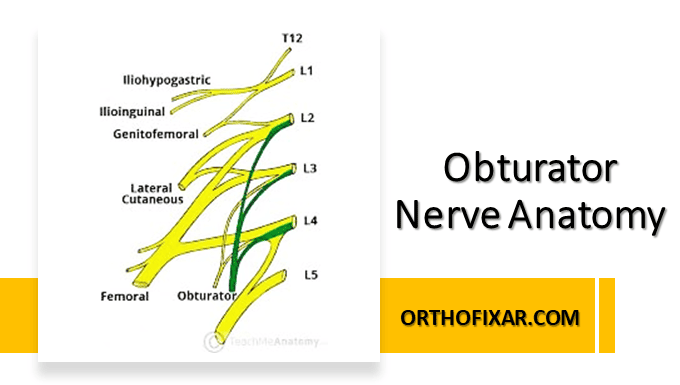
The obturator nerve represents a crucial component of lower limb anatomy, playing an essential role in motor and…
Read Full Entry →
The saphenous nerve represents a crucial component within the lower limb’s neural network, serving as the longest cutaneous…
Read Full Entry →