
Femoral Nerve Anatomy
The femoral nerve originates from the lumbar plexus, specifically from the posterior divisions of the ventral rami of…
Read Full Entry →Clinical anatomy of the human body. Upper & lower limb, Head & neck, chest, abdomen and spine anatomy. Anatomy of bones, muscles, ligaments and joints.
The femoral nerve originates from the lumbar plexus, specifically from the posterior divisions of the ventral rami of…
Read Full Entry →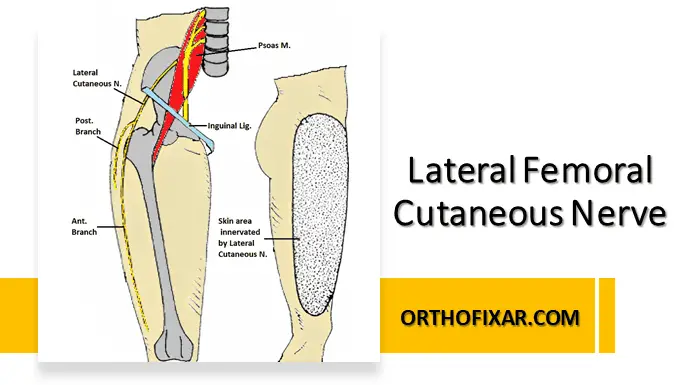
The lateral femoral cutaneous nerve emerges as a purely sensory peripheral nerve originating from the lumbar plexus. Specifically,…
Read Full Entry →
The lumbar plexus forms within the substance of the psoas major muscle. It develops from the anterior rami…
Read Full Entry →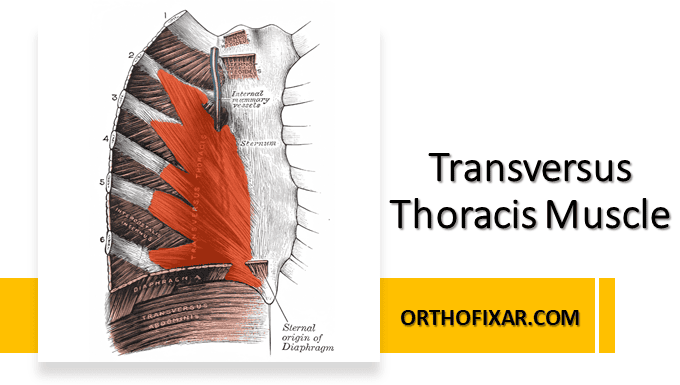
The transversus thoracis muscle forms part of the innermost layer of the thoracic wall musculature. It presents as…
Read Full Entry →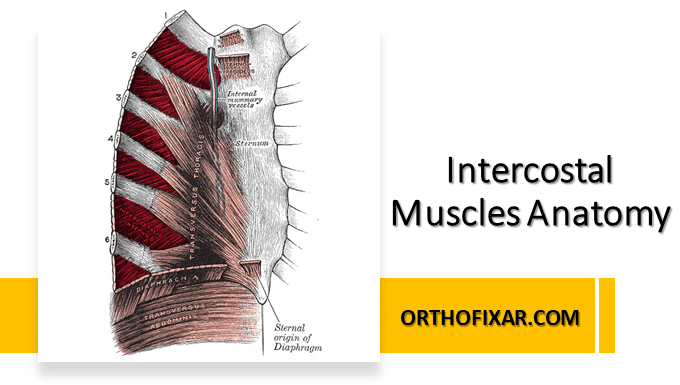
The thoracic wall contains three distinct layers of intercostal muscles: the external intercostal muscles, the internal intercostal muscles,…
Read Full Entry →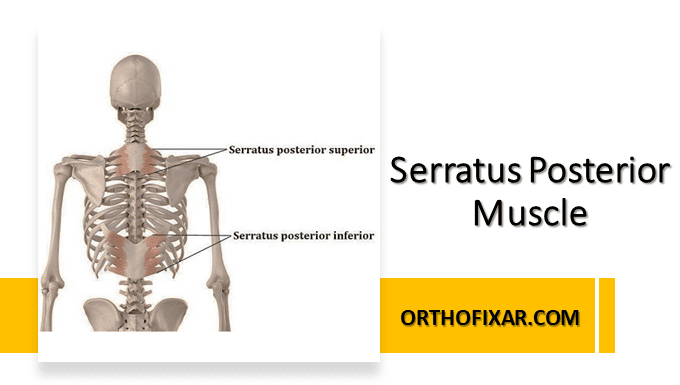
The serratus posterior muscles comprise two distinct yet functionally related muscles: the serratus posterior superior and the serratus…
Read Full Entry →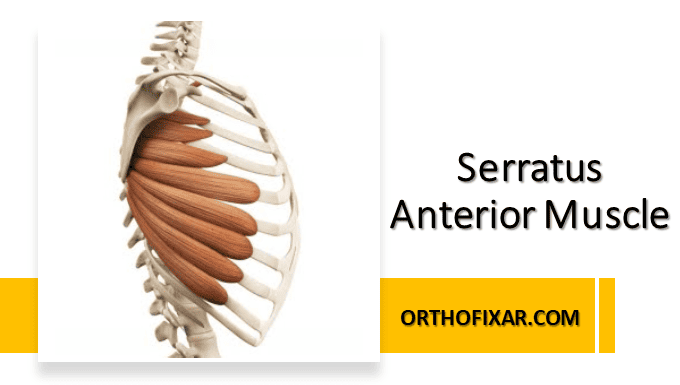
The serratus anterior muscle, often referred to as the “boxer’s muscle,” plays a crucial role in shoulder biomechanics…
Read Full Entry →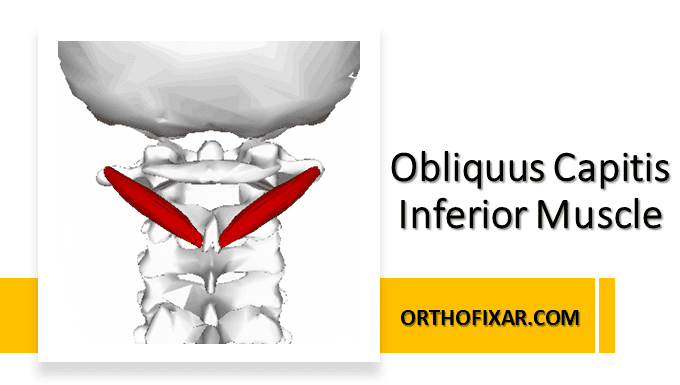
The obliquus capitis inferior muscle represents a critical component of the deep suboccipital musculature, playing an essential role…
Read Full Entry →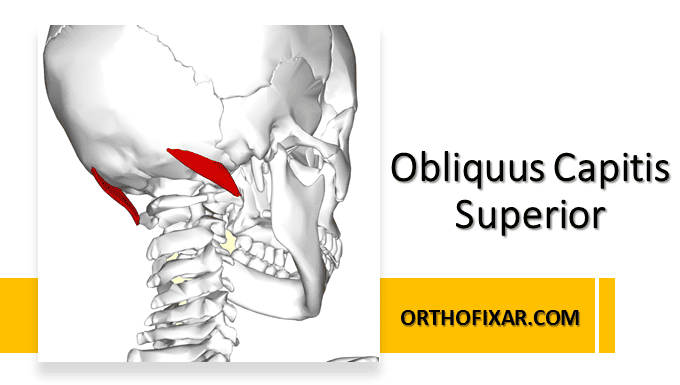
The obliquus capitis superior muscle is one of four muscles comprising the suboccipital group, together with the rectus…
Read Full Entry →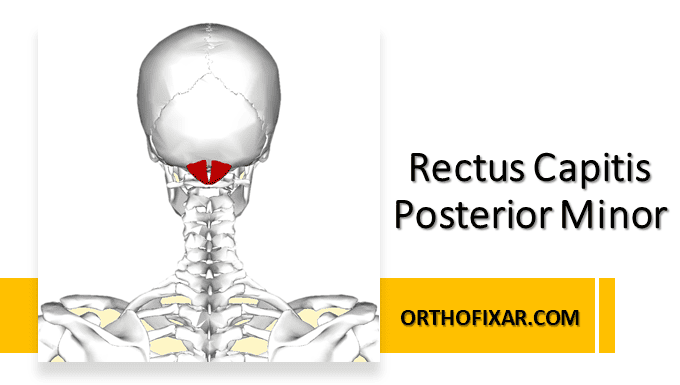
The rectus capitis posterior minor is a small yet significant muscle located in the suboccipital region of the…
Read Full Entry →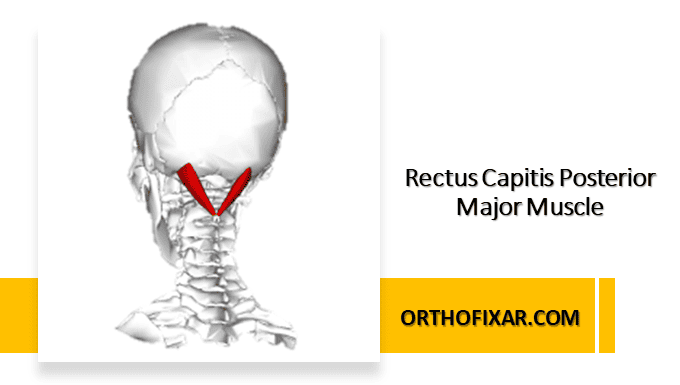
The rectus capitis posterior major is one of four muscles that comprise the suboccipital group, positioned in the…
Read Full Entry →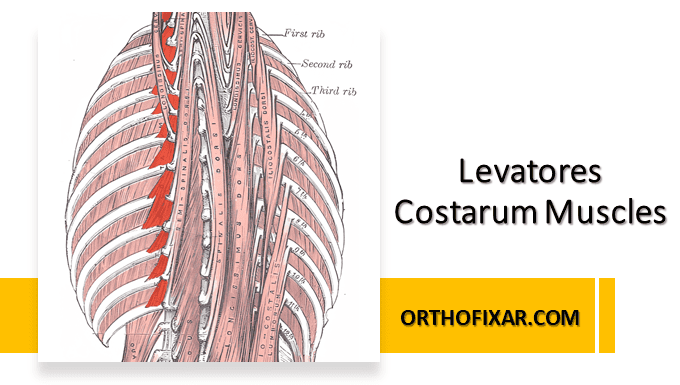
The levatores costarum muscles (L. levator, a lifter) are 12 fan-shaped muscles that elevate the ribs, but their…
Read Full Entry →