Veins Anatomy: Structure, Function, and Clinical Importance
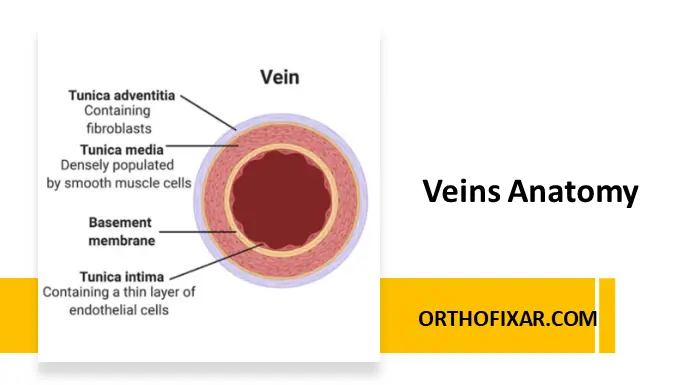
Veins are an essential component of the cardiovascular system, responsible for returning deoxygenated blood back to the heart.…
Read Full Entry →Clinical anatomy of the human body. Upper & lower limb, Head & neck, chest, abdomen and spine anatomy. Anatomy of bones, muscles, ligaments and joints.
Veins are an essential component of the cardiovascular system, responsible for returning deoxygenated blood back to the heart.…
Read Full Entry →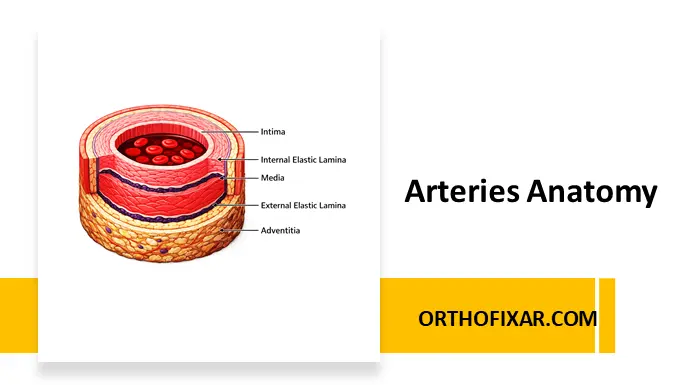
Arteries are the high‑pressure conduits that deliver oxygen‑rich blood from the heart to the systemic circulation. Understanding their…
Read Full Entry →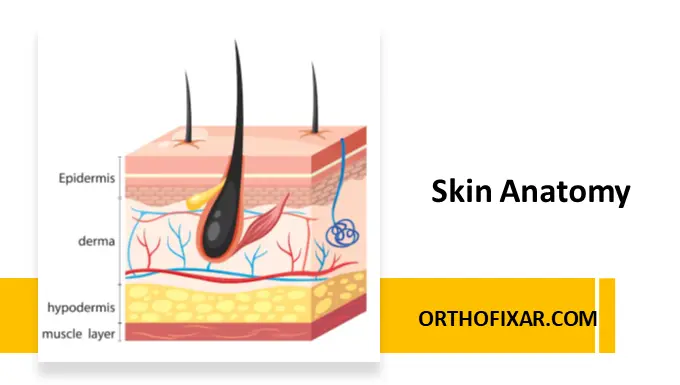
The skin is not merely a protective covering—it is a complex, multifunctional organ essential for survival, homeostasis, and…
Read Full Entry →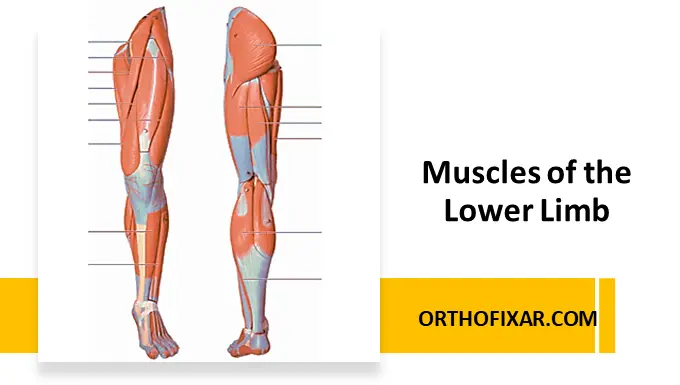
The muscles of the lower limb are highly specialized to support posture, locomotion, balance, and propulsion. Their coordinated…
Read Full Entry →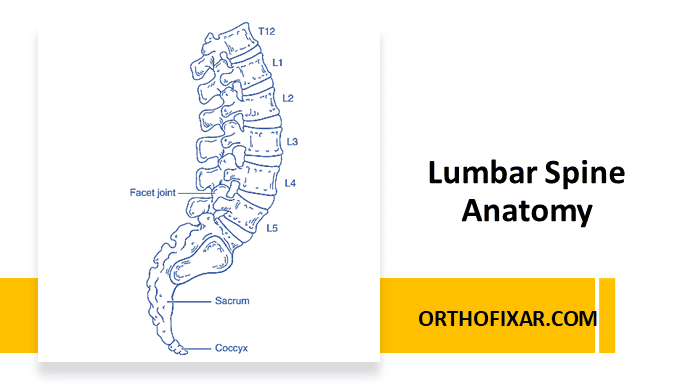
The lumbar spine consists of five vertebrae (L1–L5), each separated by an intervertebral disc that acts as a…
Read Full Entry →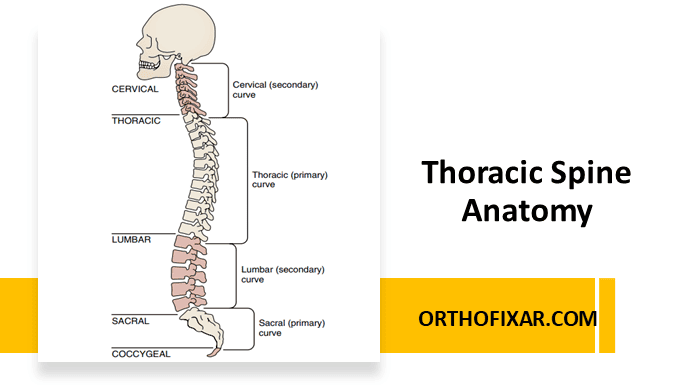
The thoracic spine consists of 12 vertebrae (T1-T12) that form the middle segment of the vertebral column. What…
Read Full Entry →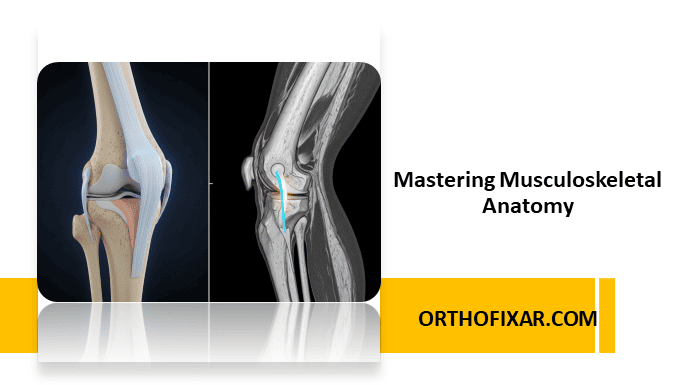
For the orthopedic specialist, anatomical knowledge is not an academic exercise—it's the foundation of every diagnosis, surgical plan,…
Read Full Entry →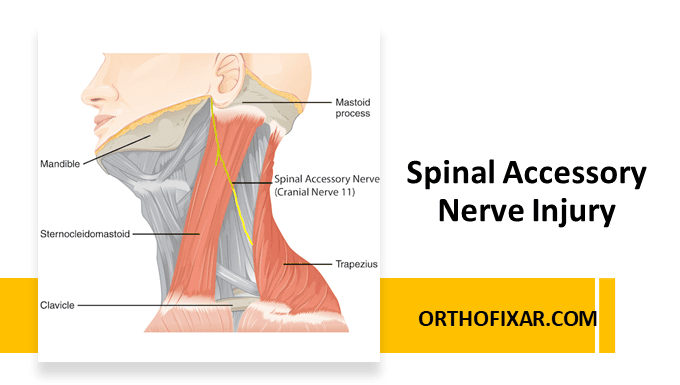
The spinal accessory nerve (cranial nerve XI) is a motor nerve that innervates the sternocleidomastoid and trapezius muscles.…
Read Full Entry →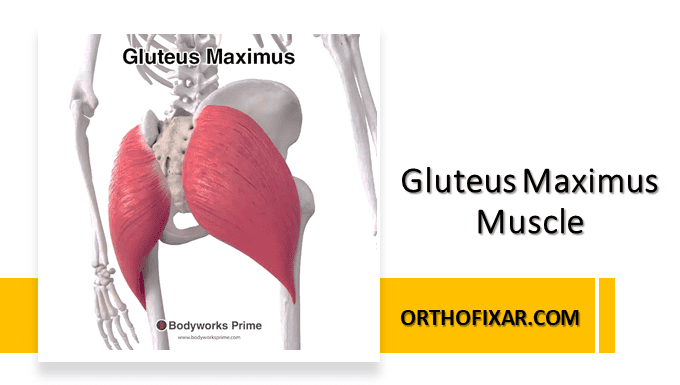
The Gluteus Maximus Muscle has a wide origin, from posterior aspect of dorsal ilium, posterior to posterior gluteal…
Read Full Entry →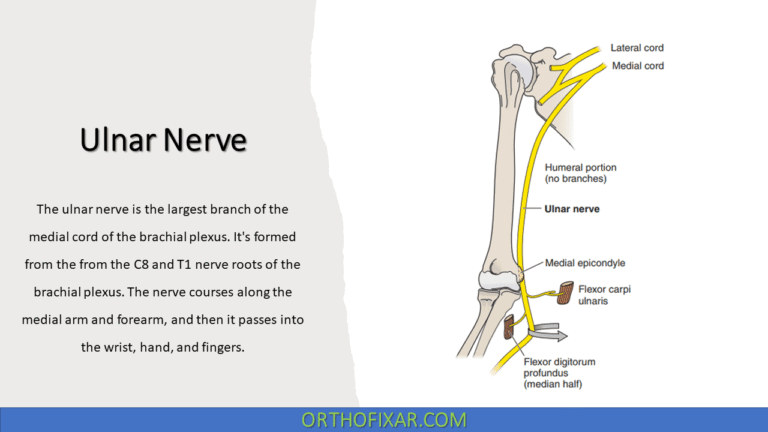
The ulnar nerve is the largest branch of the medial cord of the brachial plexus. It's formed from…
Read Full Entry →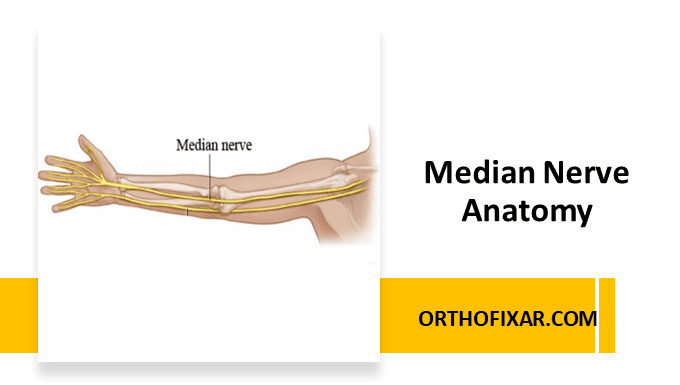
The median nerve arises from the lateral and medial cords of the brachial plexus, with contributions from spinal…
Read Full Entry →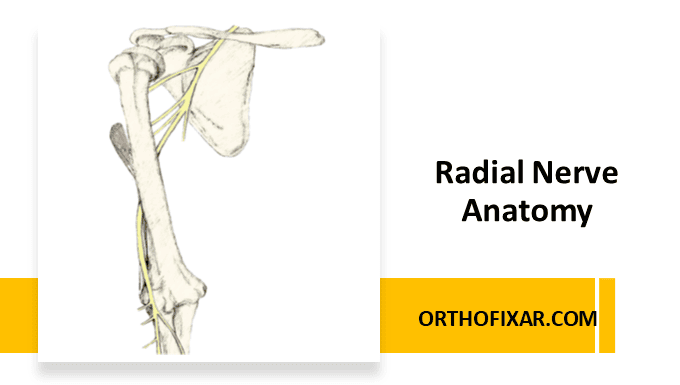
The radial nerve exits the axilla posterior to the brachial artery and enter the posterior arm compartment through…
Read Full Entry →