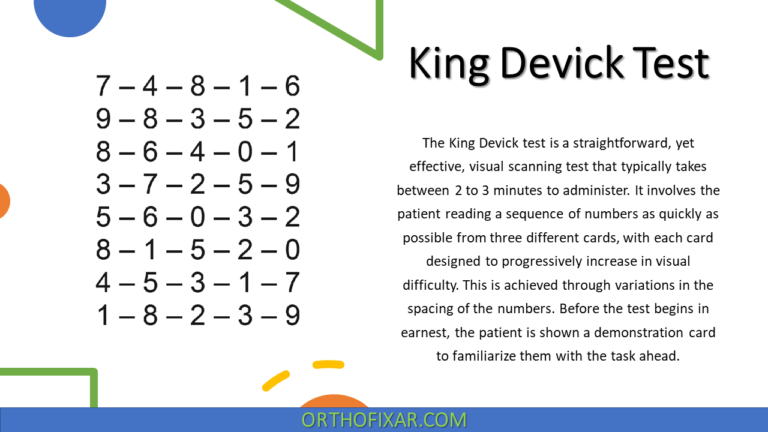
King Devick Test | Assessing Oculomotor Function
The King Devick test is a straightforward, yet effective, visual scanning test that typically takes between 2 to…
Read Full Entry →Neurological Examination contains all special test used to evaluate the nervous system, sensory and motor responses, especially reflexes.
The King Devick test is a straightforward, yet effective, visual scanning test that typically takes between 2 to…
Read Full Entry →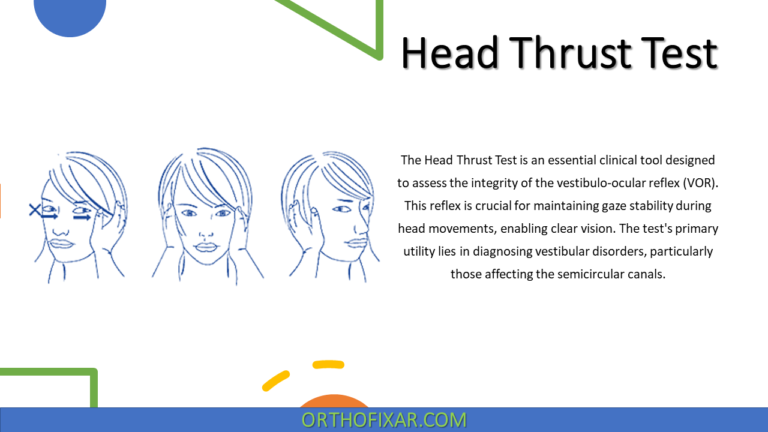
The Head Thrust Test is performed with the patient seated and the examiner standing in front. The patient…
Read Full Entry →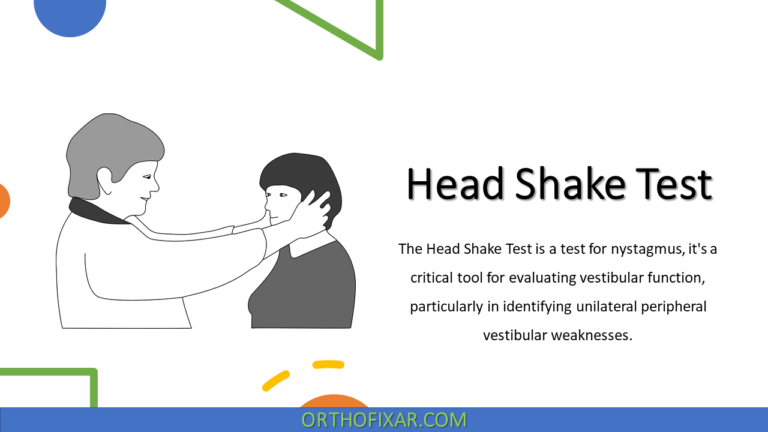
The vestibular system, integral to maintaining balance and spatial orientation, can be afflicted by a range of pathologies…
Read Full Entry →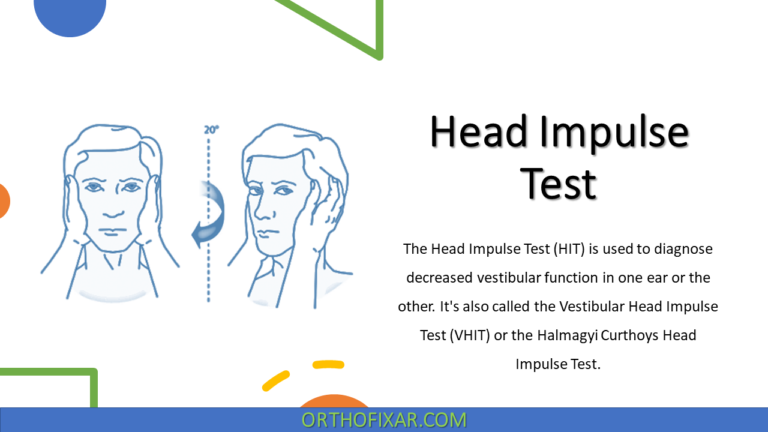
The examiner stands facing the patient. The patient sits on an examining table and is told to fixate…
Read Full Entry →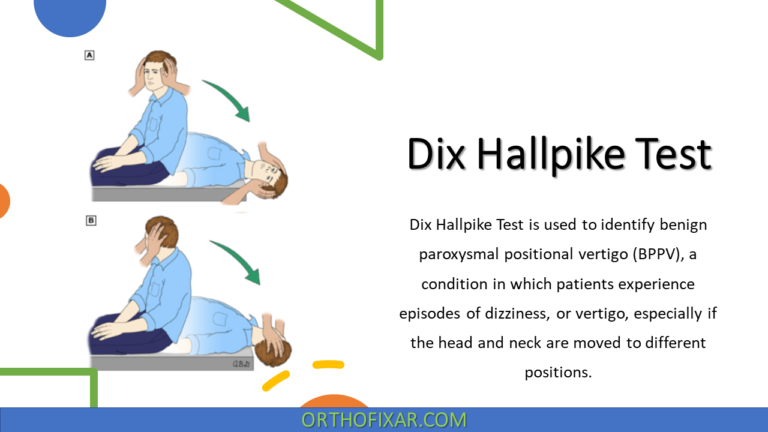
Benign positional paroxysmal vertigo (BPPV) is one of the most common causes of vertigo, where patients experience vertigo…
Read Full Entry →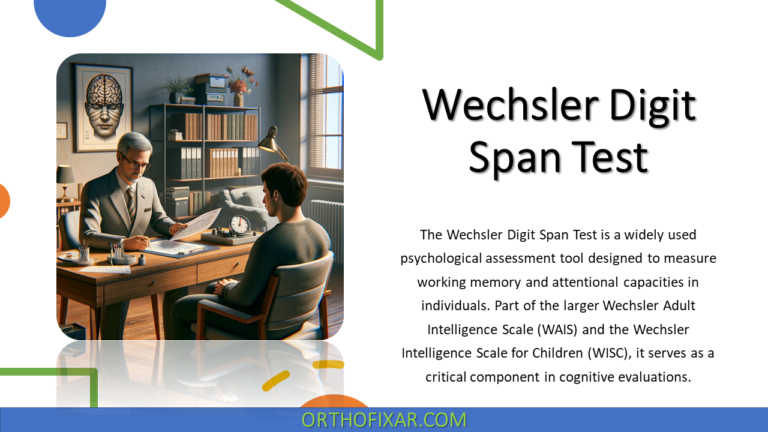
The Digit Span Test, originally developed by David Wechsler, is an integral part of the WAIS and WISC…
Read Full Entry →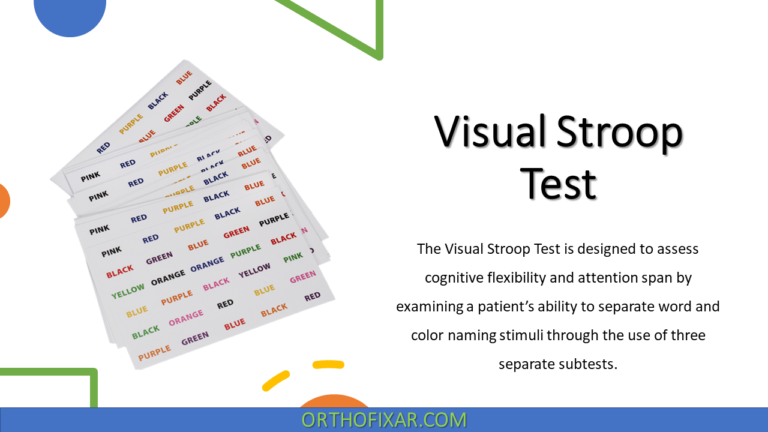
The Visual Stroop Test is designed to assess cognitive flexibility and attention span by examining a patient’s ability…
Read Full Entry →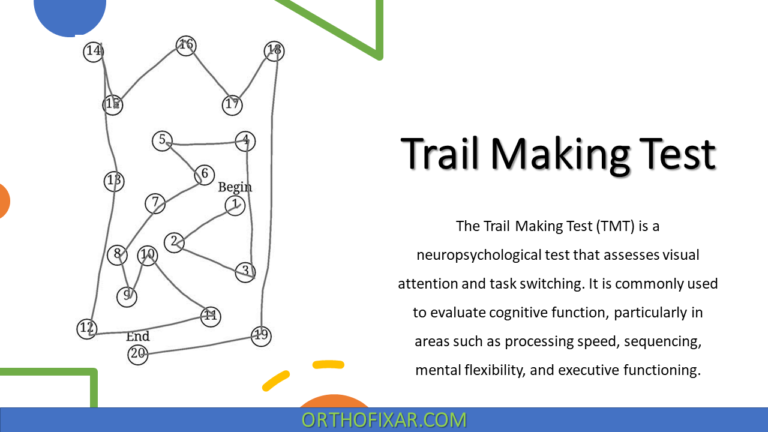
The Trail Making Test (TMT) is a neuropsychological test that assesses visual attention and task switching. It is…
Read Full Entry →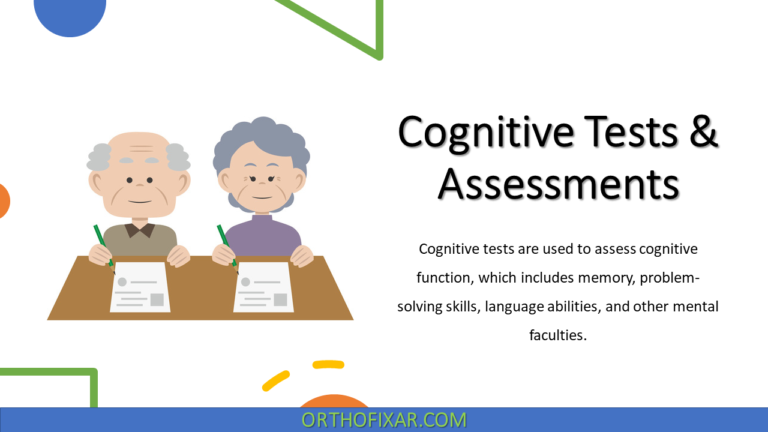
Cognitive tests are used to assess cognitive function, which includes memory, problem-solving skills, language abilities, and other mental…
Read Full Entry →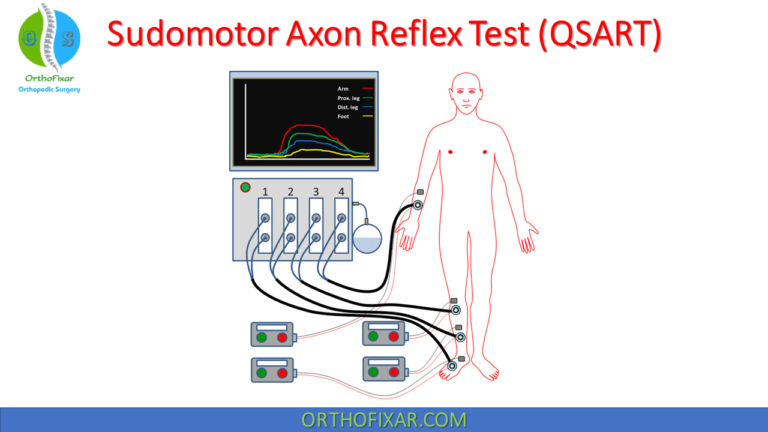
Quantitative Sudomotor Axon Reflex Test (QSART) is a diagnostic test measures the functioning of the sympathetic nervous system,…
Read Full Entry →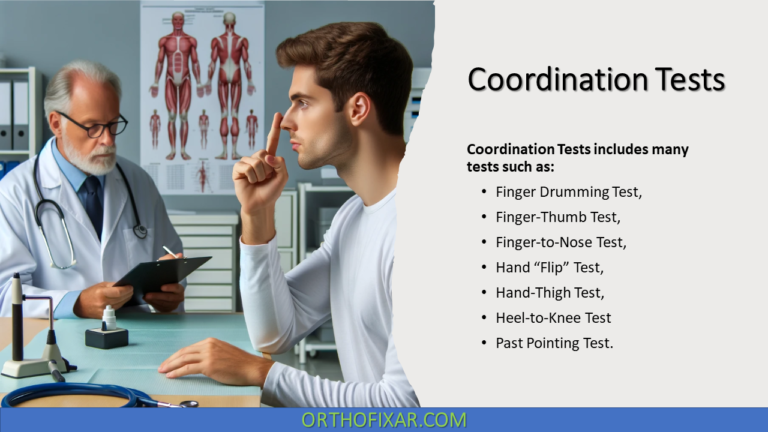
Coordination is the harmonious functioning of muscles or groups of muscles in the execution of movements. This involves…
Read Full Entry →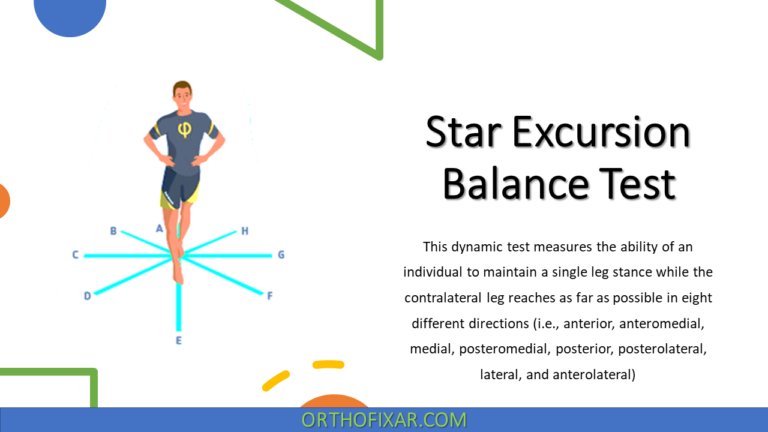
Star Excursion Balance Test (SEBT) is a dynamic test that measures the ability of an individual to maintain…
Read Full Entry →