
Flamingo Test for SI Joint
The Flamingo Test is a simple clinical maneuver for assessing stress-related pain at the pubic symphysis and sacroiliac…
Read Full Entry →Special Test for orthopedic surgeon…
The Flamingo Test is a simple clinical maneuver for assessing stress-related pain at the pubic symphysis and sacroiliac…
Read Full Entry →
The Sacroiliac Rocking Test, also known as the Sacrotuberous Ligament Stress Test, is used to assess the integrity…
Read Full Entry →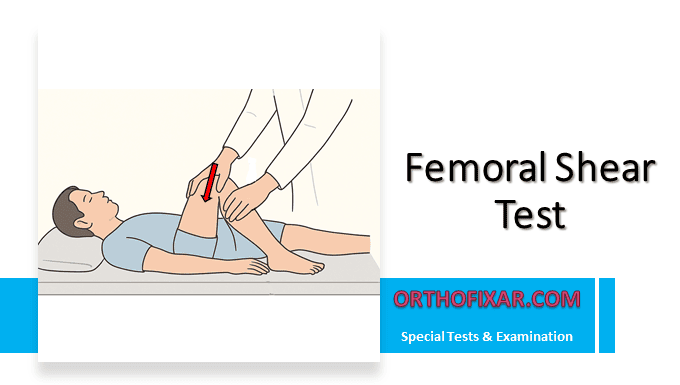
The Femoral Shear Test, also known as the Posterior Shear (POSH) Test, is used to assess the integrity…
Read Full Entry →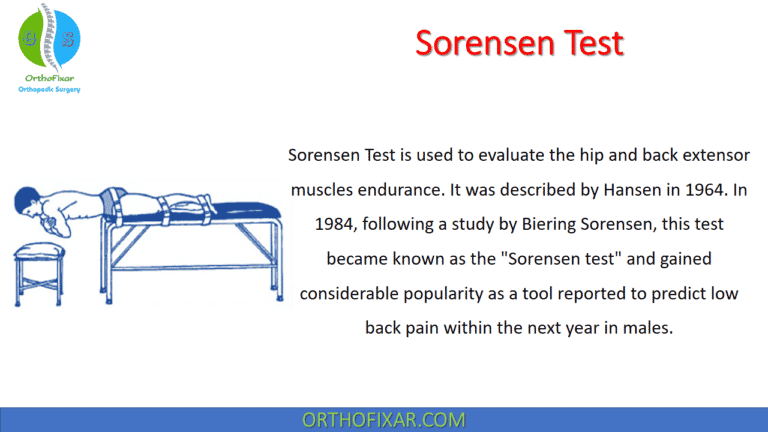
The Sorensen Test, also known as the Back Extensor Endurance Test, is used to evaluate the endurance of…
Read Full Entry →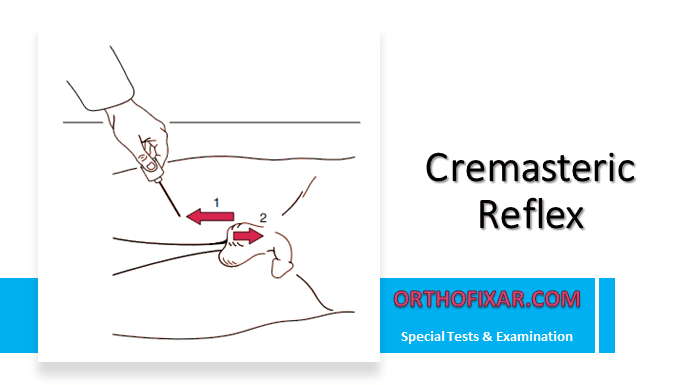
The cremasteric reflex is a superficial reflex that occurs only in males. It provides valuable clinical information about…
Read Full Entry →
The Bicycle Test of van Gelderen is a valuable clinical tool used to differentiate neurogenic intermittent claudication from…
Read Full Entry →
The Prone Bridge Test is a clinical examination test used to evaluate the endurance of the core musculature,…
Read Full Entry →
The Milgram Test is a clinical examination procedure used to assess for lumbar spine pathology, particularly space-occupying lesions…
Read Full Entry →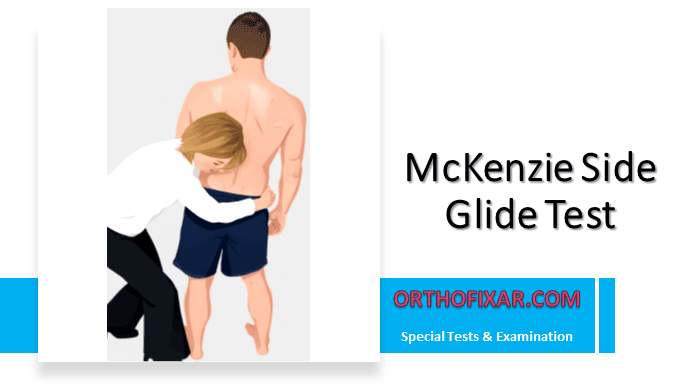
The McKenzie Side Glide Test is a clinical assessment used to help determine the presence of a lateral…
Read Full Entry →
The Prone Instability Test is a widely used orthopaedic special test used to assess lumbar spine instability in…
Read Full Entry →
The Pheasant test, also known as the Prone Instability Test, is a clinical examination technique used to assess…
Read Full Entry →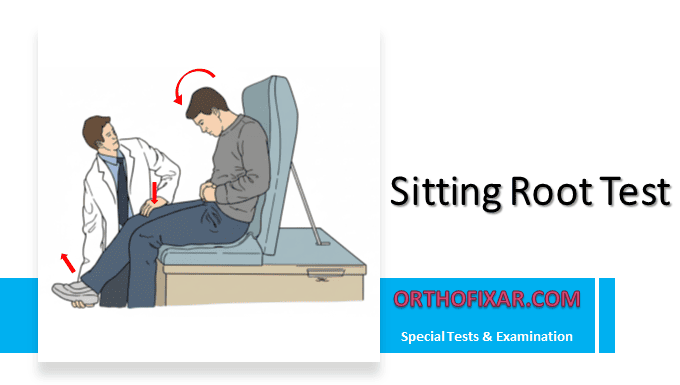
The Sitting Root Test is a neurological examination used to assess the sciatic nerve irritation or lumbar nerve…
Read Full Entry →