Telescopy Test & Pediatric Telescope Sign
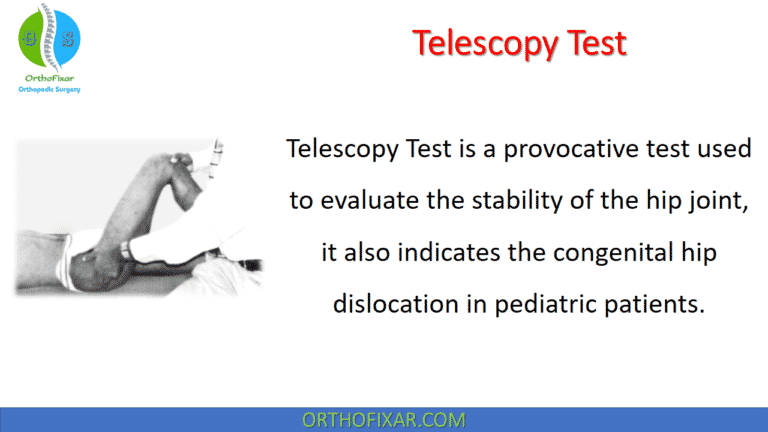
Telescopy Test is an important clinical orthopedic examination used to evaluate the stability of the hip joint most…
Read Full Entry →Special Test for orthopedic surgeon…
Telescopy Test is an important clinical orthopedic examination used to evaluate the stability of the hip joint most…
Read Full Entry →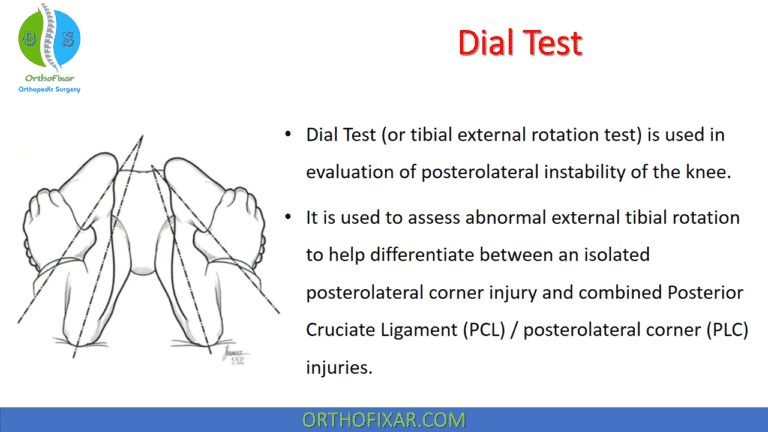
Dial Test (or tibial external rotation test) is used in evaluation of posterolateral instability of the knee.
Read Full Entry →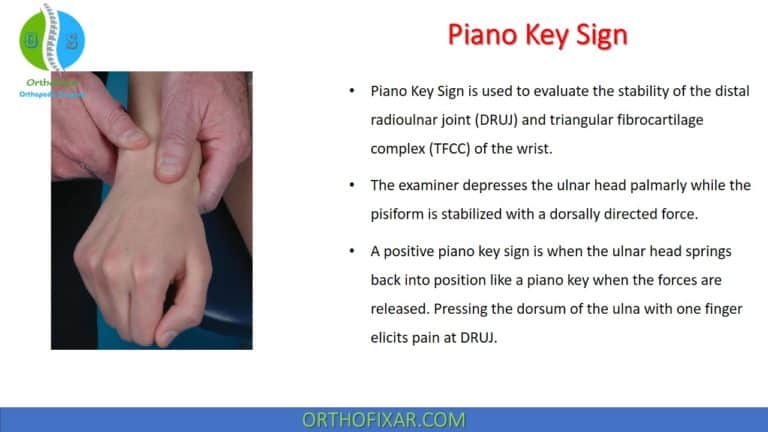
Piano Key Sign is used to evaluate the stability of the distal radioulnar joint (DRUJ) and triangular fibrocartilage…
Read Full Entry →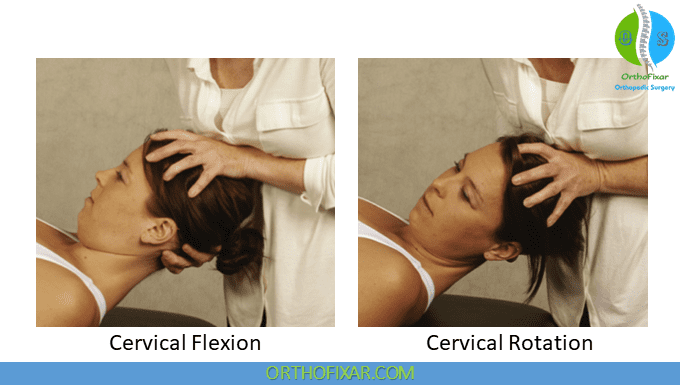
The Cervical Flexion Rotation Test is used to determine the mobility of the upper cervical spine (C1–C2) and…
Read Full Entry →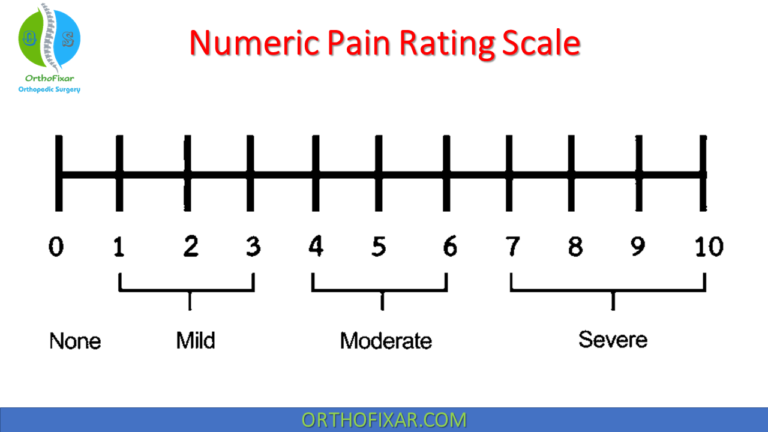
The patient rates his level of pain on an 11 point scale ranging from 0 to 10, with…
Read Full Entry →
Pirani Score is composed of 10 different physical examination findings used in classification of the clubfoot deformity.
Read Full Entry →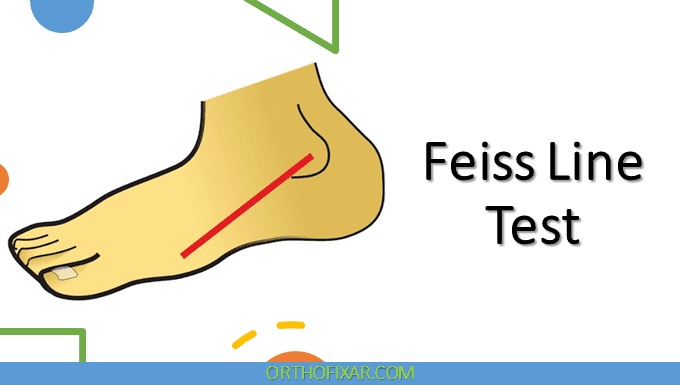
The Feiss line test is used to assess the height of the medial arch, using the navicular position,…
Read Full Entry →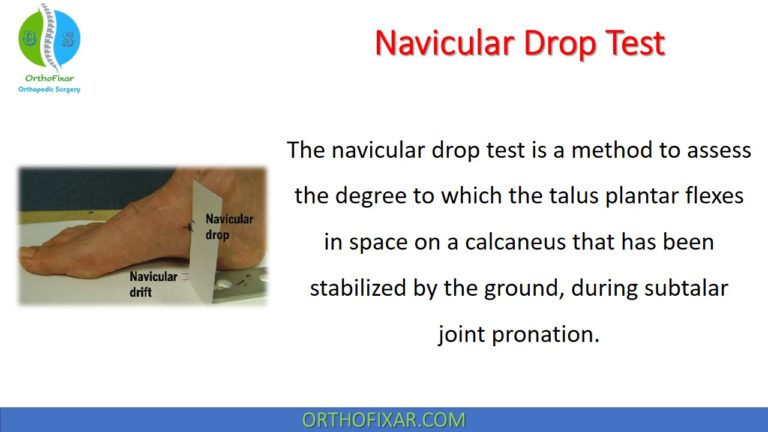
The navicular drop test is a method to assess the degree to which the talus plantar flexes in…
Read Full Entry →
The examiner holds the patient’s knee between 15 and 30° of flexion. In this position in particular, the…
Read Full Entry →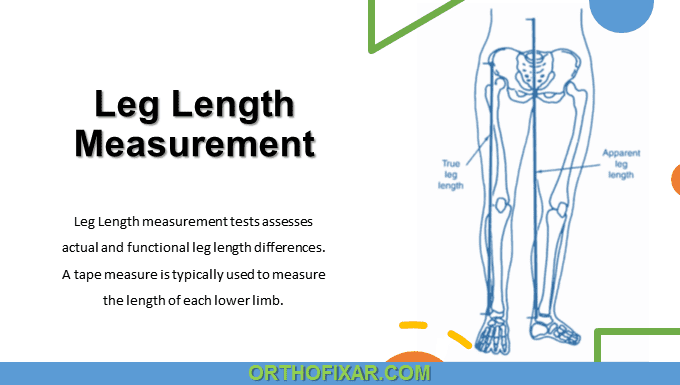
Measurement of an actual difference in leg length is performed with the patient standing by placing shims of…
Read Full Entry →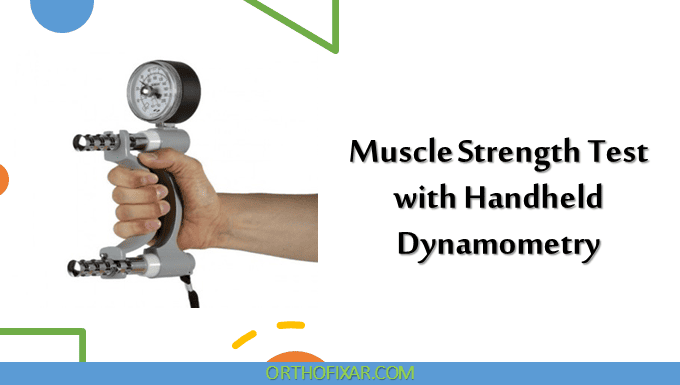
Dynamometers first appeared in 1763 and, since then, numerous modifications have been made. Currently, dynamometers come in a…
Read Full Entry →
The patient lies supine with the examiner supporting the occiput with the palms and the third, fourth, and…
Read Full Entry →