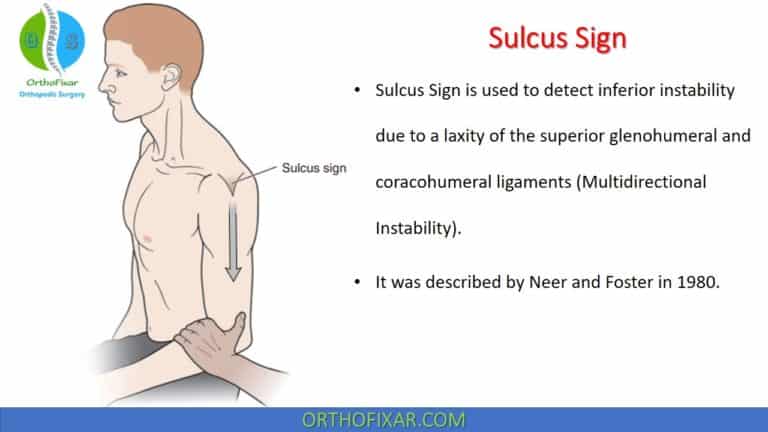
Sulcus Sign | Inferior Drawer Test
Sulcus Sign is used to detect inferior instability due to a laxity of the superior glenohumeral and coracohumeral…
Read Full Entry →Special Test & clinical examination techniques for medical learning…
Sulcus Sign is used to detect inferior instability due to a laxity of the superior glenohumeral and coracohumeral…
Read Full Entry →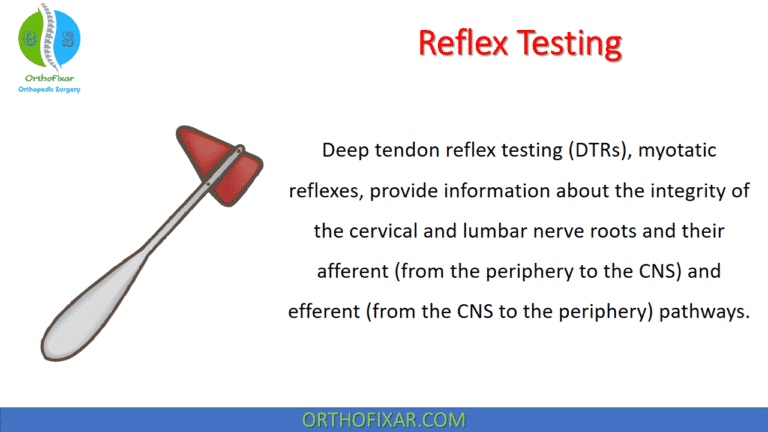
Deep tendon reflex testing, myotatic reflexes, provide information about the integrity of the cervical and lumbar nerve roots.
Read Full Entry →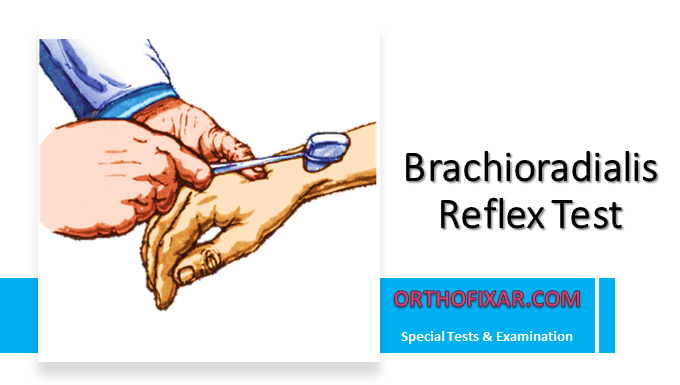
Tapping just above the styloid process of the radius with the forearm in semiflexion and semipronation causes flexion…
Read Full Entry →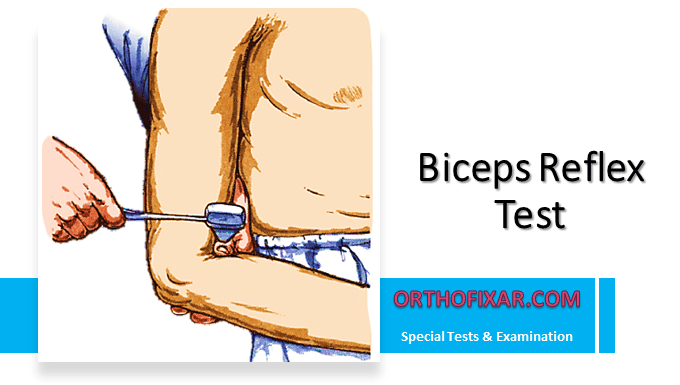
The patient is position in sitting looking away from the tested side, while the examiner stands to the…
Read Full Entry →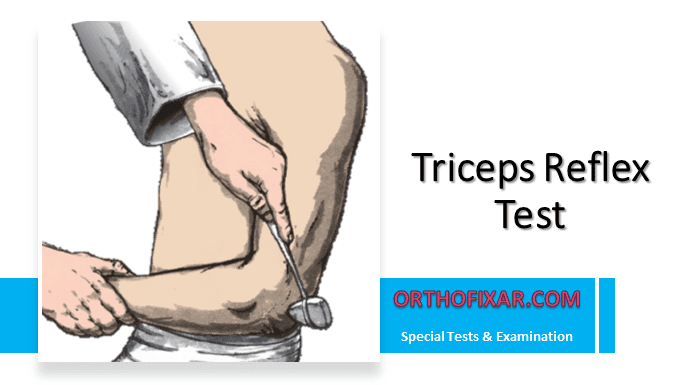
The triceps reflex provides valuable information about the integrity of the C7-C8 nerve roots and corresponding spinal cord…
Read Full Entry →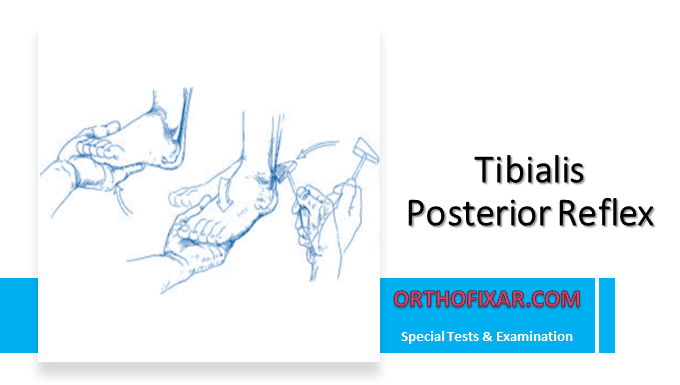
The tibialis posterior reflex is evaluated in the seated patient. The examiner holds the patient’s foot in a…
Read Full Entry →
The Medial hamstring reflex is mediated by tibial portion of the sciatic nerve, primarily by the L5 nerve…
Read Full Entry →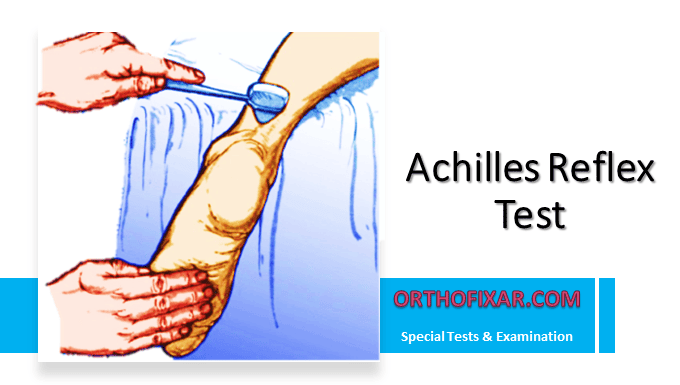
The Achilles Tendon Reflex or ankle jerk is obtained by striking the Achilles tendon just above its insertion…
Read Full Entry →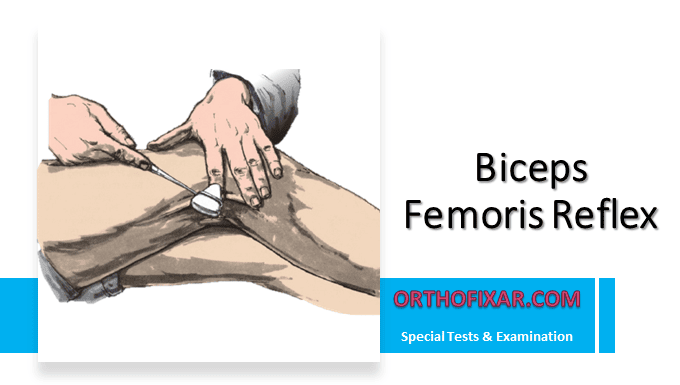
With the patient sitting, recumbent, or lying on the opposite side and the knee moderately flexed, the examiner’s…
Read Full Entry →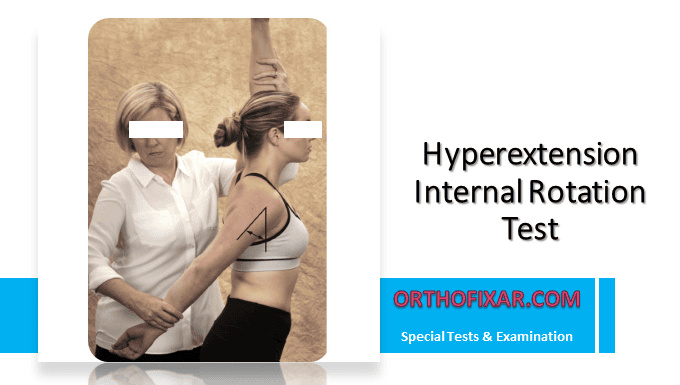
The Hyperextension Internal Rotation Test (HERI Test) is a new test developed to assess the integrity of the…
Read Full Entry →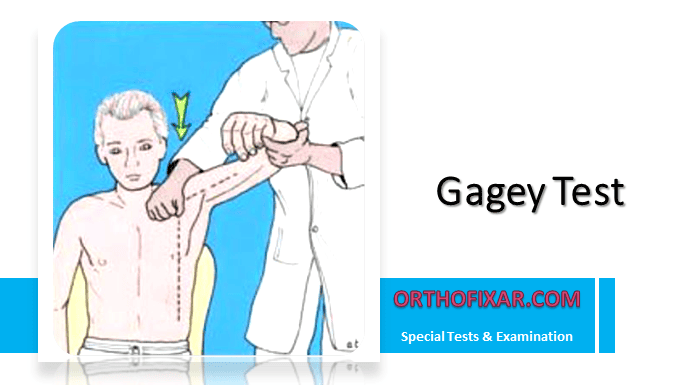
Understanding the proper execution of the Gagey test is fundamental for accurate diagnosis and treatment planning. The procedure…
Read Full Entry →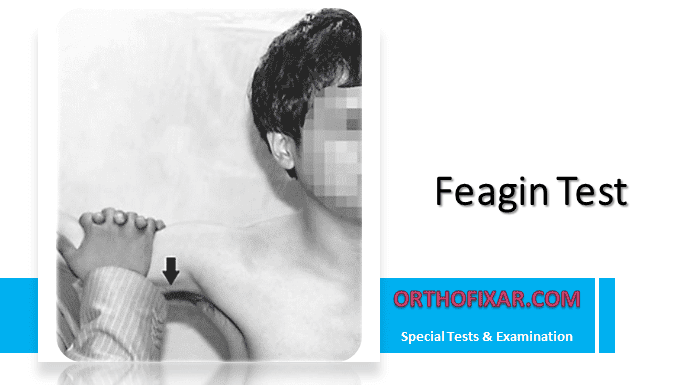
The Feagin test or abduction inferior stability test is a modification of the sulcus sign test that is…
Read Full Entry →