Degenerative disc disease is not a disease in the traditional sense but a natural age-related change in the spinal discs. It can cause pain, stiffness, and reduced mobility, but most people manage it effectively with the right approach. This article covers the symptoms, causes, diagnosis, treatment options, and long-term outlook so you can understand what to expect and how to take control of your spine health.
What Is Degenerative Disc Disease?
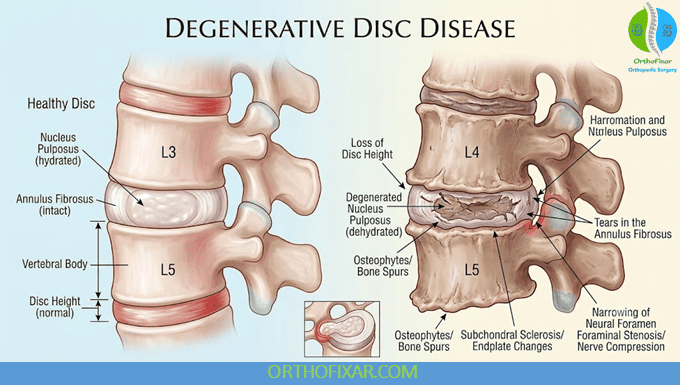
Degenerative disc disease refers to the gradual breakdown of the intervertebral discs that cushion the bones in your spine. As these discs lose hydration and elasticity, they become thinner and less able to absorb shock. This process can lead to pain, nerve irritation, and instability in the spine. It is a common condition, especially in adults over 40, but it is not a life-threatening illness. Many people live active lives with no symptoms.
Common Symptoms of Degenerative Disc Disease
Symptoms vary depending on which part of the spine is affected and the severity of the disc changes. Not everyone experiences pain, but when it occurs, it typically follows a pattern.
- Localized pain – A dull ache in the lower back or neck that worsens with sitting, bending, or twisting.
- Pain that improves with movement – Walking or changing positions often relieves discomfort.
- Pain that worsens with prolonged stay – Lying down for hours or sitting for long periods can increase stiffness.
- Radiating pain – If a disc presses on a nerve, pain may travel into the buttocks, legs (sciatica), or arms.
- Numbness or tingling – Nerve compression can cause sensations like pins and needles in the limbs.
- Muscle weakness – In advanced cases, the muscles served by the affected nerve may feel weaker.
- Loss of flexibility – Difficulty bending forward or backward due to disc thinning.
“The most confusing thing about degenerative disc disease is that the amount of disc wear seen on an MRI often does not match the level of pain a person feels. Many people with severe disc degeneration have no pain at all.”
What Causes Degenerative Disc Disease?
Several factors contribute to the breakdown of spinal discs. Some are unavoidable, but others can be influenced by lifestyle choices.
- Normal aging – Over time, discs lose water content and become brittle.
- Genetic predisposition – Some people inherit discs that are more prone to early degeneration.
- Repetitive mechanical stress – Jobs or activities that involve heavy lifting, prolonged sitting, or frequent twisting can accelerate wear.
- Injury – A sudden trauma, such as a fall or car accident, can damage a disc and trigger faster degeneration.
- Smoking – Tobacco use reduces blood flow to the discs, starving them of oxygen and nutrients.
- Obesity – Extra body weight increases the load on spinal discs, especially in the lower back.
How Is Degenerative Disc Disease Diagnosed?
Diagnosis starts with a detailed history and physical exam. Your doctor will ask about your pain pattern, activities that worsen or relieve it, and any nerve symptoms. Diagnostic tools include:
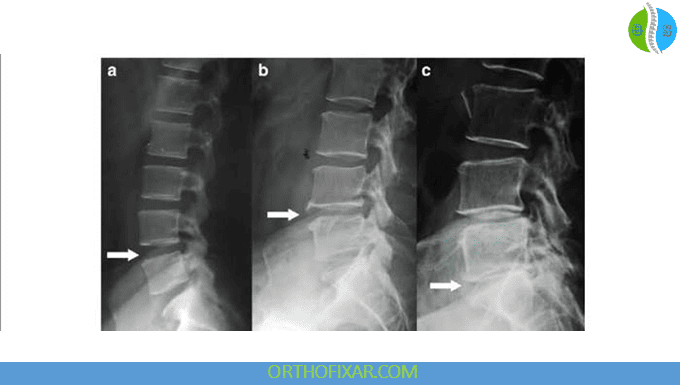
- X-rays – Show disc space narrowing and bone spurs, but not the discs themselves.
- Magnetic resonance imaging (MRI) – The gold standard for viewing disc hydration, height, and any herniations or nerve compression.
- CT scan – Provides detailed bone images, often used if MRI is not an option.
- Discography – A dye injection into a disc to see if it reproduces your pain, used only in select cases.
Treatment Options: What Works for Degenerative Disc Disease
Most cases of degenerative disc disease improve with conservative care. Surgery is rarely needed. The goal of treatment is to reduce pain, improve function, and prevent progression. Below is a table comparing common treatment approaches.
| Treatment Type | Goal | Examples |
|---|---|---|
| Physical therapy | Strengthen core muscles and improve spinal stability | Stabilization exercises, stretching, manual therapy |
| Medications | Manage pain and inflammation | NSAIDs (ibuprofen), acetaminophen, muscle relaxants |
| Injection therapy | Reduce local inflammation and nerve irritation | Epidural steroid injections, nerve blocks |
| Lifestyle changes | Reduce mechanical stress on the spine | Weight loss, ergonomic adjustments, quitting smoking |
| Surgery | Remove disc or fuse vertebrae when conservative care fails | Discectomy, spinal fusion, artificial disc replacement |
Non-Surgical Approaches
The vast majority of people find relief without surgery. Physical therapy focuses on strengthening the muscles that support your spine. Core strengthening, pelvic tilts, and gentle yoga can reduce pain and improve flexibility. Over-the-counter pain relievers help during flare-ups, but long-term use should be discussed with a doctor. Heat or ice therapy can soothe stiff or inflamed areas.
When Surgery Becomes an Option
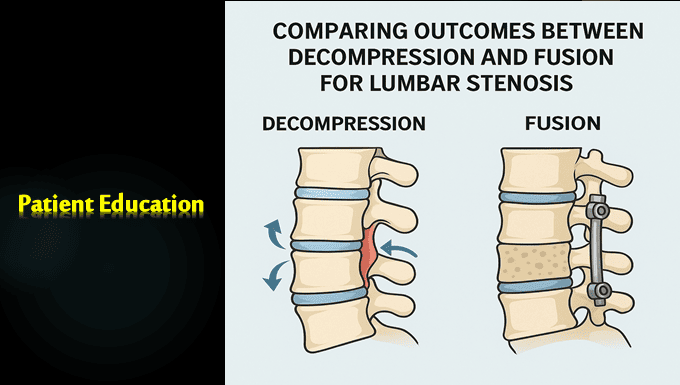
Surgery is considered only after several months of conservative treatment without improvement. It is typically reserved for people who have severe or worsening nerve symptoms, such as leg weakness or bowel/bladder changes. Common procedures include microdiscectomy (removing part of the disc) and spinal fusion (joining two vertebrae to stabilize the segment). Artificial disc replacement is an alternative that preserves motion in the lower back.
“For most people with degenerative disc disease, the idea of surgery is much scarier than the actual condition. The body is very good at adapting to disc changes when given the right support.”
Long-Term Outlook: What to Expect
The natural history of degenerative disc disease varies widely. After an initial period of pain that may last weeks to months, symptoms often stabilize or even improve. The discs do not regenerate, but the body can compensate by forming small bone spurs or thickening ligaments. Many people experience long periods without pain once they learn to manage triggers.
- Recovery is the rule, not the exception – Over 80% of patients improve with conservative care within three months.
- Flare-ups may occur – Bending, heavy lifting, or sudden movements can cause temporary setbacks, but they usually settle.
- Activity is protective – Regular low-impact exercise like walking, swimming, or cycling helps maintain disc health.
- Long-term quality of life is good – Most people with degenerative disc disease remain active and do not become disabled.
Lifestyle Tips for Managing Degenerative Disc Disease
Small daily habits can make a big difference. Here are practical recommendations that fit into a busy schedule.
- Use good posture – Sit with your back supported, feet flat on the floor, and avoid slouching.
- Lift with your legs – Never bend at the waist to pick something up; keep the object close to your body.
- Sleep on a supportive mattress – Medium-firm is often best. Side sleeping with a pillow between the knees can reduce strain.
- Stay active – Aim for 30 minutes of moderate activity most days. Walking is excellent for spinal discs.
- Maintain a healthy weight – Every extra pound adds three to four pounds of pressure on your lower back discs.
- Avoid prolonged sitting – Stand up and stretch every 30 minutes if you have a desk job.
Conclusion
Degenerative disc disease is a common part of aging, but it does not have to control your life. With proper management—including physical therapy, lifestyle modifications, and the right medications—most people maintain an active, pain-free lifestyle. Surgery is rarely needed. Listen to your body, work with your healthcare team, and focus on building strength and flexibility. Understanding your condition is the first step toward feeling better.
Frequently Asked Questions About Degenerative Disc Disease
1. Is degenerative disc disease a serious condition?
Typically, no. It is a normal age-related change, not a progressive or life-threatening disease. Most people manage it well without serious complications. However, if a disc compresses a nerve severely, it can lead to weakness or numbness that requires attention.
2. Can degenerative disc disease be reversed?
No, the structural changes in the discs are permanent. But the body can adapt, and symptoms often improve or disappear with conservative treatment. The goal is to manage pain and maintain function, not to “heal” the disc.
3. What is the best exercise for degenerative disc disease?
Low-impact activities such as walking, swimming, and cycling are excellent. Core strengthening exercises (planks, bridges, bird-dog) help stabilize the spine. Avoid high-impact sports like running on hard surfaces or heavy weightlifting that can jar the spine.
4. How long does a flare-up of degenerative disc disease last?
Most flare-ups last from a few days to a couple of weeks, especially if you rest gently and modify your activity. With consistent care, acute pain usually subsides within 4–6 weeks. Chronic intermittent symptoms can last longer but are often manageable.
5. Does degenerative disc disease show up on X-rays?
X-rays can show indirect signs such as narrowed disc space and bone spurs, but they do not visualize the discs themselves. An MRI is needed to see the actual disc tissue and any nerve compression.
6. Can degenerative disc disease cause paralysis?
Extremely rare. The most common nerve compression causes radiating pain, numbness, or mild weakness. Paralysis would require catastrophic damage to the spinal cord, which is not typical for ordinary degenerative disc disease.
7. Is heat or ice better for degenerative disc disease pain?
Both can help. Ice reduces inflammation during acute flare-ups (first 48 hours). Heat relaxes tight muscles and improves blood flow for chronic stiffness. Many people alternate. Listen to what feels best.
8. Can I still work with degenerative disc disease?
Most people continue working, sometimes with ergonomic adjustments. If your job involves heavy lifting or long hours of standing, talk to your employer about modifications. Doctors can also provide restrictions if needed.
9. What foods help degenerative disc disease?
An anti-inflammatory diet rich in fruits, vegetables, whole grains, and healthy fats (like olive oil and fatty fish) may help. Adequate hydration is also important for disc water content. Vitamin D and calcium support bone health, but no specific food reverses disc degeneration.
10. When should I see a doctor for degenerative disc disease?
If you have back pain that lasts more than a few weeks, pain that radiates down your leg or arm, numbness or weakness in a limb, or loss of bladder or bowel control, see a healthcare provider. Those red flags need urgent evaluation.