Ankle replacement surgery, also called total ankle arthroplasty, replaces a severely damaged ankle joint with artificial components. If nonsurgical treatments such as physical therapy, medications, or injections no longer control arthritis-related pain, a replacement may offer long-term comfort and more natural joint motion. This guide explains who is a suitable candidate, exactly how the procedure works, what the recovery timeline looks like, and which risks you need to review with your orthopedic surgeon.
What Is Ankle Replacement?
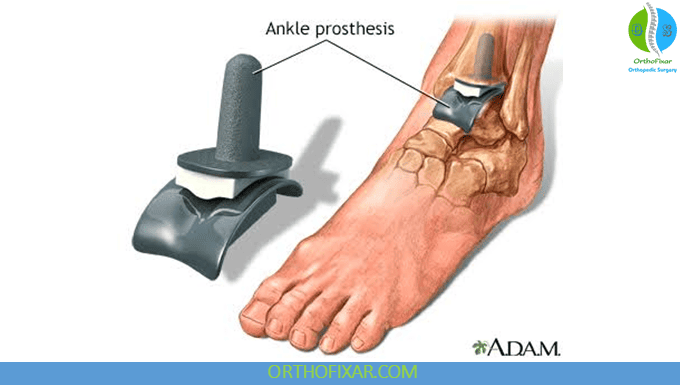
During ankle replacement, a surgeon removes the worn-out cartilage and bone from the ankle joint and caps the prepared bone ends with prosthetic parts. The artificial components are designed to glide smoothly against one another, mimicking the action of the natural ankle.
- The ankle joint involves three bones: the shinbone (tibia), the smaller lower leg bone (fibula), and the talus in the foot.
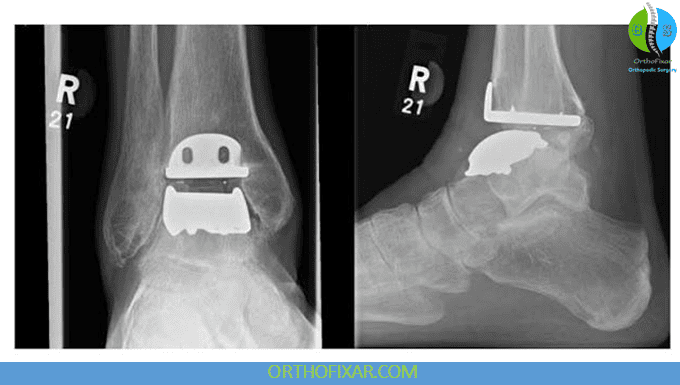
- Modern implants use a metal tibial component, a metal talar component, and a smooth polyethylene insert between them.
- Ankle replacement preserves movement, unlike ankle fusion, which permanently locks the joint.
- Surgeons now use careful soft-tissue handling and advanced imaging to improve implant positioning and durability.
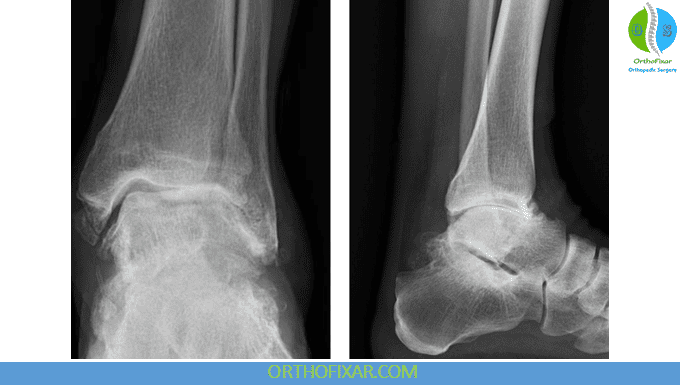
Arthritis is the most common reason for this operation. It wears away the joint surface, leading to bone-on-bone friction, stiffness, swelling, and a sharp sensation deep inside the ankle.
Who Is a Good Candidate for Ankle Replacement?
The ideal candidate has enough healthy bone, good skin, reasonable muscle strength, and no active infection. Medical conditions must be well controlled, and the patient must be committed to months of rehabilitation afterward.
- You have advanced ankle arthritis from osteoarthritis, post-traumatic arthritis, or inflammatory arthritis such as rheumatoid arthritis.
- You have tried conservative care, including anti-inflammatory medicine, bracing, physical therapy, and steroid injections, but pain remains disabling.
- You have adequate bone stock to support the implant and no severe ankle ligament instability.
- You do not smoke, or you are willing to stop smoking for several months before surgery.
- You have good circulation in the affected leg and no history of osteomyelitis.
Some people are better served by ankle fusion instead of replacement. This includes patients with severe bone defects, Charcot neuroarthropathy, a previous joint infection, or a very inactive lifestyle with fragile soft tissue.
Before Ankle Replacement: Preparations
Preparation usually begins several weeks before the actual operation. Your surgical team will coordinate tests, medication adjustments, and home safety changes to lower the risk of complications.
- Expect blood work, ankle X-rays, and occasionally a CT or MRI to define the bone shape and arthritic damage.
- Discuss all prescriptions, supplements, and blood thinners with your surgeon; many need to be stopped temporarily.
- Arrange a ride home and some help with daily chores for the first few weeks.
- Prepare your home with clear walking paths, a raised toilet seat, and secure grab bars in the shower.
- Fill any prescriptions for pain pills and blood-clot prevention before the day of surgery.
“Success in ankle replacement is not about the surgery alone; it is about the daily work you do during rehabilitation.”
The Ankle Replacement Procedure
The operation is performed under general or regional anesthesia and typically takes two to three hours. Your surgeon makes cuts to expose the ankle joint while protecting nearby nerves, blood vessels, and tendons.
- The surgeon makes a vertical incision over the front of the ankle and gently moves the tendons aside.
- Damaged cartilage and bone are cut away from the top of the talus and the bottom of the tibia.
- Trial components are placed to check alignment, stability, and joint tension.
- The final metal implants are secured to the bone, followed by the polyethylene liner.
- The ankle is moved through a range of motion to confirm smooth tracking, and the incision is closed with sutures and a sterile dressing.
Ankle Replacement or Fusion?
If ankle replacement is not feasible, ankle fusion remains an excellent alternative. The right choice depends on your body and lifestyle goals.
| Feature | Ankle Replacement | Ankle Fusion |
|---|---|---|
| Main goal | Reduce pain while preserving motion | Relieve pain by creating a solid, motionless joint |
| Ankle movement | Some natural range of motion remains | No movement at the fused joint |
| Weight-bearing recovery | Slow and progressive over weeks | Longer cast wear and bone healing time |
| Common risks | Implant wear, loosening, irritation | Nonunion, at future arthritis in nearby joints |
| Best for | Moderate bone quality and stable alignment | Severe deformity, infection history, or poor bone stock |
Recovery and Rehabilitation
You can expect to stay in the hospital for one to two nights. The leg will be in a splint and later in a removable boot to let the surgical area heal without unexpected movement.
- Keep the foot elevated above the level of your heart as much as possible during the first week.
- Apply ice packs around the dressing for twenty-minute sessions to control swelling.
- Begin gentle, surgeon-approved ankle movements early to reduce stiffness and help blood flow.
- Walking and weight-bearing usually progress over several weeks, always in coordination with physical therapy.
- Typical rehabilitation lasts about three months, though your body may keep improving for a full year or longer.
Your physical therapist will teach you exercises to strengthen the calf, balance the foot, and retrain your walking pattern. Remember that a safe recovery is built in small steps, not by pushing through sharp pain.
“The hardest part is waiting to put weight on the ankle. Do not skip those earlier exercises—they pay off later.”
Risks and Possible Complications
Every surgery has risks, and ankle replacement is no exception. Your surgeon will explain these clearly, but it is helpful to know what they are before deciding.
- Infection: This can involve the skin, deeper tissues, or the implant itself.
- Deep vein thrombosis: A blood clot can form in the leg, especially when you are less active.
- Nerve damage: Nearby nerves may be stretched, sometimes causing temporary heel or foot numbness.
- Implant loosening: Components can loosen from the bone over time and cause pain.
- Polyethylene wear: Tiny plastic particles can form over years and trigger inflammation.
- Joint stiffness: Some people develop scar tissue or bone formation that blocks movement.
- Fracture: The tibia or talus can crack during removal of damaged bone or while seating the components.
Call your care team at once if you develop chills, high fever, the incision turns red or drains, or if your calf becomes swollen and painful. Early treatment can make a major difference.
Realistic Long-Term Results
Ankle replacement is a long-term investment in relief. Most patients describe much less pain and improved everyday walking ability when compared with their pre-surgery condition.
- Recovery continues for months: final strength, balance, and endurance improve with dedicated therapy.
- Modern implants are designed with durable materials and improved fixation surfaces.
- Your surgeon will review your activity level and advise against high-impact running and heavy loads after surgery.
- Some people will need a future revision, so regular follow-up appointments help catch early signs of wear or loosening.
Be honest about your own expectations. Ankle replacement rarely gives you a completely normal ankle, but it can provide a stable, comfortable joint for daily life.
Final Thoughts
Choosing ankle replacement means weighing clear benefits against real risks. Start by discussing your arthritic condition with an orthopedic foot and ankle surgeon who can examine your gait, review imaging, and recommend the best surgical or nonsurgical path. If you move forward with surgery, your healing depends on a strong rehabilitation program and open communication with the whole medical team.
Frequently Asked Questions
How long does an ankle replacement last?
Modern ankle implants have shown good durability in many patients. Some last ten years or more, but how long yours lasts depends on implant type, your weight, bone quality, and activity level. Your surgeon will give you a realistic estimate before surgery.
How soon after surgery can I walk?
In most cases, you will not stand on the leg in the first days or weeks. Your surgeon may allow toe-touch walking in a boot, then gradually increase to full weight-bearing over several weeks. Physical therapy guides you through each stage.
Will I have a limp after ankle replacement?
A slight limp is common during the first few months, but it usually improves as strength and motion return. Regular physical therapy, balance training, and a proper walking pattern help you avoid a long-term limp.