Ankle osteoarthritis can make every step painful, but understanding the symptoms, bracing options, and modern treatments can help you move better. This guide covers what you need to know about managing ankle arthritis, from early signs to today’s most effective braces and therapies.
What Is Ankle Osteoarthritis?
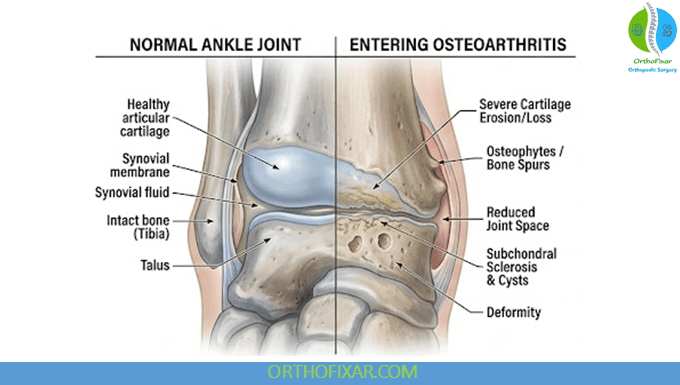
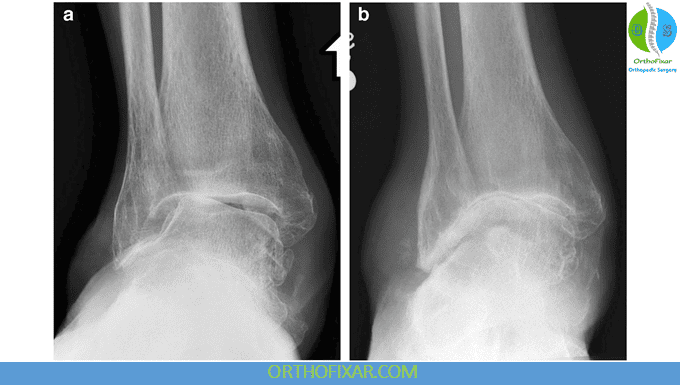
Ankle osteoarthritis develops when the cartilage cushioning the joint wears down, leading to bone-on-bone friction. Unlike knee or hip arthritis, ankle OA often follows a past injury such as a fracture, sprain, or dislocation. It affects about 1% of the population, but the number is rising as people stay active longer.
Key characteristics include:
- Progressive loss of joint space
- Bone spur formation around the ankle
- Intermittent swelling and stiffness
- Pain that worsens with weight-bearing activity
Recognizing the Symptoms of Ankle Osteoarthritis
Symptoms usually start gradually. You might notice mild discomfort after walking or standing for long periods. Over time, the pain becomes more constant and may wake you at night.
Common symptoms to watch for:
- Deep, aching pain in the front or side of the ankle
- Stiffness, especially in the morning or after sitting
- Swelling around the joint that comes and goes
- Reduced range of motion – trouble pointing or flexing the foot
- A grinding sensation or audible crunching when moving the ankle
- Difficulty walking on uneven ground or climbing stairs
“Ankle osteoarthritis often gets dismissed as a simple sprain, but the grinding feeling and persistent swelling are key signs that cartilage is wearing away.” – Dr. Emily Tran, orthopedic specialist
How Bracing Helps Ankle Osteoarthritis
Braces are a first-line, non-surgical treatment for ankle OA. They support the joint, limit painful movements, and improve alignment. Many patients find significant relief with the right brace.
Types of Braces for Ankle Osteoarthritis
- Lace-up braces: Offer compression and moderate support. Good for mild to moderate OA during daily activities.
- Hinged ankle braces: Use metal or plastic hinges to control side-to-side motion while allowing up-and-down movement. Ideal for moderate arthritis with instability.
- Rigid AFOs (ankle-foot orthoses): Immobilize the ankle almost completely. Used for advanced OA or when the joint is very painful.
- Custom-molded braces: Made from a 3D scan or cast of your foot. Provide precise fit and offloading of arthritic areas.
When Should You Use a Brace?
Braces are most helpful when you expect to be on your feet for extended periods – such as walking, shopping, or working. They can reduce pain by up to 40% in many patients. However, they are not meant to be worn 24/7; removing the brace at night and during rest prevents muscle weakness.
Bracing Tips for Best Results
- Wear a thin, seamless sock underneath to avoid irritation.
- Tighten the brace firmly but not so tight that it cuts off circulation.
- Use the brace during activities that aggravate your pain, not all day.
- Replace the brace when straps lose elasticity or padding compresses.
Non-Surgical Treatment Options Beyond Bracing
Bracing works best when combined with other treatments. Here are the most evidence-based options for 2026.
Physical Therapy and Exercise
- Strengthening the calf, shin, and foot muscles unloads the ankle joint.
- Range-of-motion exercises prevent stiffening.
- Low-impact activities like stationary cycling, swimming, or elliptical training keep you active without pounding the ankle.
Medications and Injections
- Topical NSAIDs (e.g., diclofenac gel) are effective for mild pain with few side effects.
- Oral anti-inflammatories can be used short-term for flare-ups.
- Steroid injections provide temporary relief for several weeks to months.
- Hyaluronic acid injections (viscosupplementation) are less commonly used for the ankle but may help some patients.
Lifestyle and Footwear Modifications
- Choose sturdy, cushioned shoes with a rocker-bottom sole to reduce ankle motion.
- Avoid high heels and flat, unsupportive flip-flops.
- Use a walking cane on the opposite side of the painful ankle to reduce joint load.
- Maintain a healthy weight – every kilogram of excess weight adds roughly four kilograms of pressure through the ankle.
“I tell my patients with ankle arthritis that the right shoes and a simple lace-up brace can give them back hours of pain-free walking. It’s not a miracle cure, but it’s a real step forward.” – Chris Patel, physical therapist
Surgical Options: When Is It Time?
Surgery is considered when conservative treatments no longer control pain or when the joint becomes severely deformed. The three main procedures are:
| Procedure | Best For | Recovery Time | Key Considerations |
|---|---|---|---|
| Arthroscopic debridement | Mild to moderate arthritis with loose bodies or bone spurs | Weeks to months | Less invasive; pain relief may be temporary (2–5 years) |
| Ankle fusion (arthrodesis) | End-stage arthritis in younger, active patients | 3–6 months in a cast, then rehab | Eliminates pain but eliminates motion; puts stress on nearby joints |
| Total ankle replacement | Older patients or those with less demand on the joint | 6–12 weeks with a walking boot, full recovery 6 months | Preserves motion; modern implants last 10–15 years on average |
Newer implant designs and improved surgical techniques have made total ankle replacement more durable than ever. However, fusion remains a reliable option for many.
Living Well With Ankle Osteoarthritis – A Practical Daily Guide
Managing ankle OA is about smart daily choices. Here is a practical routine that many patients find helpful.
- Morning: Gently stretch the ankle by writing the alphabet with your big toe. This warms up the joint.
- During the day: If you work standing, take a 5-minute seated break every hour. Keep a small stool under your desk to elevate your foot.
- Walking: Use your brace during longer walks. Walk on soft surfaces (grass, dirt paths) when possible.
- Evening: Apply ice for 15 minutes if the ankle feels swollen or achy. Elevate the foot above heart level.
- Sleeping: A pillow under your calf can keep the ankle in a neutral position and reduce morning stiffness.
Conclusion
Ankle osteoarthritis does not have to stop you from living an active life. Recognizing the early symptoms, using the right brace, and combining it with physical therapy, smart footwear, and weight management can dramatically reduce pain. For many people, surgery is avoidable or can be delayed by years. If your symptoms are interfering with daily activities, consult an orthopedic specialist who can tailor a plan to your lifestyle. With the right approach, you can keep moving forward.
Frequently Asked Questions (FAQ)
Can ankle osteoarthritis go away on its own?
No, osteoarthritis is a progressive condition. Cartilage does not grow back on its own. However, with proper management, you can slow its progression and control symptoms effectively.
Is walking bad for ankle osteoarthritis?
Walking is generally good, but it depends on the intensity and surface. Low-impact walking on even ground, with supportive shoes and possibly a brace, helps maintain joint health. Avoid running, jumping, or walking on uneven terrain.
What is the best brace for ankle osteoarthritis?
There is no single best brace – it depends on your activity level and severity. For daily walking, a lace-up or hinged brace works well. For advanced arthritis with instability, a rigid AFO may be needed. Discuss with your doctor or physical therapist.
How long does an ankle osteoarthritis brace last?
Most braces last 6 to 12 months with regular use. Signs it needs replacement include frayed straps, loss of compression, or the brace feeling loose even when tightened.
Can I play sports with ankle arthritis?
Low-impact sports like swimming, cycling, and golf are usually fine. High-impact sports like basketball, running, or tennis often worsen symptoms. If you want to remain active, consider switching to activities that do not require sudden stops or twists.
Does losing weight help ankle arthritis?
Yes, significantly. The ankle bears about five times your body weight during walking. Losing even 5–10% of your body weight can reduce pain and slow cartilage loss.
Are cortisone shots safe for ankle arthritis?
Yes, when used sparingly. One to two injections per year can provide meaningful relief. More frequent injections can damage the remaining cartilage, so they are not a long-term solution.
What shoes are best for ankle osteoarthritis?
Look for shoes with a firm heel counter, cushioned sole, and a slight rocker bottom. Brands like Hoka, Brooks, and New Balance offer stability models. Avoid flat shoes, high heels, and minimalist footwear.
How do I know if I need ankle fusion or replacement?
Your orthopedic surgeon will assess your age, activity level, joint alignment, and degree of arthritis. Fusion is typically recommended for younger, active people. Replacement is better for older individuals who want to preserve ankle motion.
Can physical therapy make ankle arthritis worse?
No, proper physical therapy should never make it worse. A skilled therapist will avoid painful movements and focus on strengthening, stretching, and low-impact exercises. If you experience increased pain after PT, speak up – the program may need adjustment.