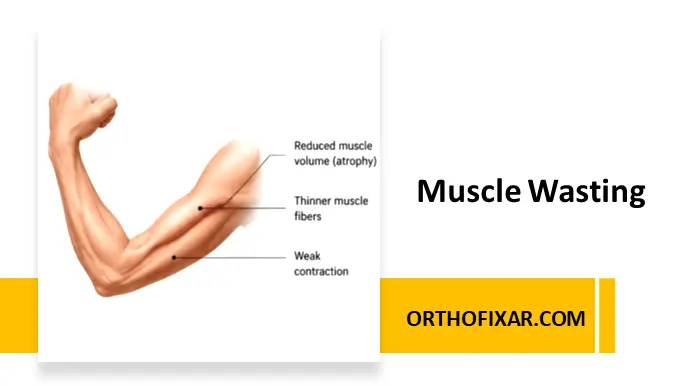
Muscle wasting, also known as muscle atrophy, is the progressive loss of muscle mass and strength. It occurs when the body fails to maintain muscle tissue, leading to muscle deterioration over time. Muscle wasting can affect any muscle group, including the arms, legs, and face.
This condition is often associated with chronic diseases, neurological disorders, aging, and prolonged immobility.
Causes of Muscle Wasting
Understanding the muscle wasting causes is essential for early detection and treatment. Common causes include:
- Neurological Disorders: Conditions such as multiple sclerosis (MS) and amyotrophic lateral sclerosis (ALS) can lead to MS muscle wasting or generalized muscular weakness and atrophy.
- Chronic Illness: Heart failure, cancer, and kidney disease may contribute to muscle deterioration.
- Malnutrition: Lack of essential nutrients, particularly protein, accelerates muscle deterioration.
- Aging (Sarcopenia): Natural loss of muscle mass occurs with aging, often combined with decreased activity.
- Immobilization: Prolonged bed rest, casting, or sedentary lifestyle leads to muscle wasting and weakness.
- Muscle Deterioration Disease: Genetic conditions such as muscular dystrophy cause progressive muscle deterioration.
See Also: Muscle Tone: Causes, Types, Symptoms, Diagnosis & Treatment
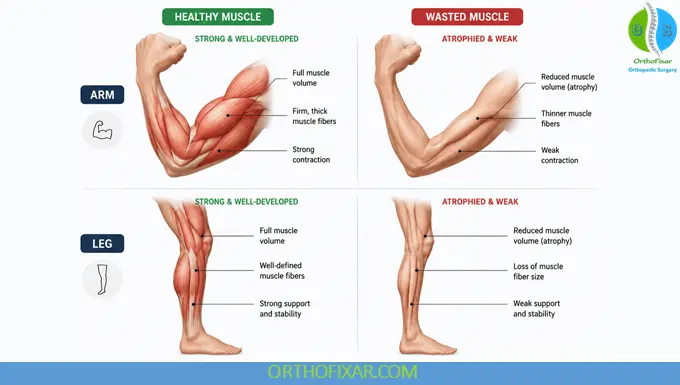
Symptoms of Muscle Wasting
Muscle deterioration symptoms vary depending on the cause but commonly include:
- Noticeable decrease in muscle size, especially in arms and legs
- Reduced strength and endurance
- Difficulty performing daily activities such as climbing stairs or lifting objects
- Muscle fatigue and weakness
- Imbalance or increased risk of falls
Early recognition of these symptoms is crucial to prevent further decline.
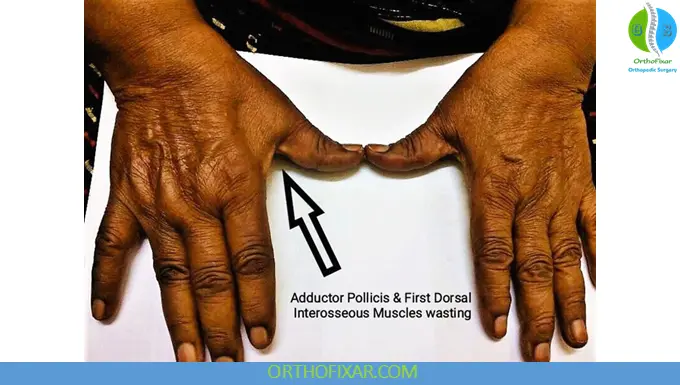
Muscle Wasting Treatment
Treatment focuses on addressing the underlying cause and supporting muscle health. Effective muscle wasting treatment strategies include:
- Physical Therapy and Exercise: Resistance and strength training help rebuild muscle mass and improve function.
- Nutritional Support: Adequate protein intake and supplementation of vitamins and minerals support muscle repair.
- Medical Management: Treating underlying conditions such as MS, cancer, or metabolic disorders can slow muscle deterioration.
- Medications: In some cases, medications such as anabolic agents or anti-inflammatory drugs are prescribed to combat muscle atrophy.
Early intervention improves outcomes and prevents complications associated with severe muscular weakness and atrophy.
Preventing Muscle Wasting
Prevention is key, especially for at-risk populations:
- Maintain regular physical activity and strength training
- Eat a balanced diet rich in protein
- Avoid prolonged immobilization
- Manage chronic conditions effectively
- Consult a healthcare professional if symptoms of muscle deterioration disease appear
When to Seek Medical Help
Consult a physician if you notice:
- Rapid or unexplained loss of muscle mass
- Persistent muscular weakness and atrophy
- Difficulty performing everyday tasks
- Symptoms of underlying neurological or chronic disease
Early diagnosis can help tailor muscle wasting treatment to prevent permanent damage.
References & More
- Palus S, von Haehling S, Springer J. Muscle wasting: an overview of recent developments in basic research. J Cachexia Sarcopenia Muscle. 2014 Sep;5(3):193-8. doi: 10.1007/s13539-014-0157-7. Epub 2014 Aug 28. PMID: 25163459; PMCID: PMC4159486. Pubmed
- Furrer R, Handschin C. Muscle Wasting Diseases: Novel Targets and Treatments. Annu Rev Pharmacol Toxicol. 2019 Jan 6;59:315-339. doi: 10.1146/annurev-pharmtox-010818-021041. Epub 2018 Aug 27. PMID: 30148697; PMCID: PMC6701981. Pubmed
- Cohen S, Nathan JA, Goldberg AL. Muscle wasting in disease: molecular mechanisms and promising therapies. Nat Rev Drug Discov. 2015 Jan;14(1):58-74. doi: 10.1038/nrd4467. PMID: 25549588. Pubmed
- Yin L, Li N, Jia W, Wang N, Liang M, Yang X, Du G. Skeletal muscle atrophy: From mechanisms to treatments. Pharmacol Res. 2021 Oct;172:105807. doi: 10.1016/j.phrs.2021.105807. Epub 2021 Aug 10. PMID: 34389456. Pubmed