A hip labral tear involves damage to the ring of cartilage that cushions the hip socket, often causing deep groin pain, clicking sensations, and restricted mobility. This condition can affect anyone, from athletes to older adults, and understanding its symptoms, diagnosis, and treatment options is essential for effective recovery. This article provides a clear, practical guide to help you navigate the condition without unnecessary hype or outdated information.
What Is a Hip Labral Tear?
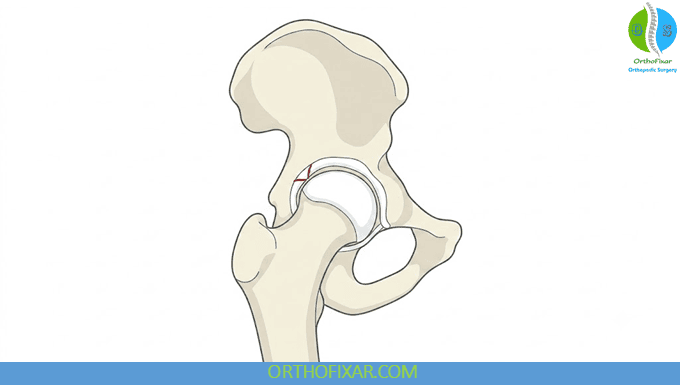
The hip labrum is a ring of fibrocartilage that lines the rim of the hip socket. It acts like a gasket, deepening the socket and helping to stabilize the joint. A tear in this structure can cause pain, catching sensations, and reduced function.
Common causes include repetitive twisting movements, trauma from sports or falls, structural abnormalities like femoroacetabular impingement (FAI), and degenerative changes over time.
Recognizing the Symptoms
Not all hip labral tears cause symptoms, but when they do, the presentation can vary. The most common complaint is a dull, aching pain in the groin or deep within the hip. Many people also report a clicking, locking, or catching feeling when moving the hip.
Key Symptoms to Watch For
- Groin pain that worsens with prolonged sitting, standing, or walking
- A sensation of the hip catching or locking during movement
- Stiffness or reduced range of motion in the hip joint
- Pain that radiates into the buttock or thigh (less common)
- Instability or a feeling that the hip might give way
“I first noticed a dull ache in my groin after long runs. Then my hip started clicking every time I stood up from my desk. I thought it was just tight muscles, but an MRI showed a labral tear.” — A typical patient experience.
Causes and Risk Factors
Understanding what leads to a hip labral tear can help you identify if you are at risk. While some tears occur suddenly, many develop gradually.
Common Causes
- Femoroacetabular impingement (FAI): Abnormal bone shape causes the femoral head to rub against the labrum, gradually fraying or tearing it.
- Trauma: A fall, car accident, or sports injury can directly damage the labrum.
- Repetitive twisting motions: Sports like soccer, golf, hockey, and ballet put repeated stress on the hip joint.
- Degeneration: As you age, the labrum can become thinner and more prone to tearing.
- Hip dysplasia: A shallow hip socket places extra load on the labrum.
How Is a Hip Labral Tear Diagnosed?
Getting an accurate diagnosis is the first step toward effective treatment. Your doctor will start with a detailed history and physical exam.
Diagnostic Steps
- Physical examination: The doctor will move your hip through various positions to reproduce pain or clicking. The FADIR test (flexion, adduction, internal rotation) is commonly used.
- Imaging: An X-ray helps check bone structure and rule out arthritis. An MRI with contrast dye (arthrogram) is the gold standard for seeing a labral tear.
- Diagnostic injection: An anesthetic injected into the joint that temporarily relieves pain can confirm the labrum is the source.
Treatment Options: What Works Now
Treatment for a hip labral tear has evolved significantly. Most people do not need surgery and respond well to conservative care. The choice depends on the tear size, location, your activity level, and the presence of other hip problems like FAI.
Conservative (Non-Surgical) Treatments
These approaches are usually tried first and can be highly effective for mild to moderate tears.
- Physical therapy: Focuses on strengthening the gluteal, core, and hip stabilizer muscles to reduce stress on the labrum. Manual therapy techniques also help restore motion.
- Activity modification: Avoiding high-impact activities or positions that trigger pain (like deep squatting) can allow the tear to settle.
- Anti-inflammatory medications: NSAIDs like ibuprofen or naproxen can reduce pain and inflammation for short-term relief.
- Cortisone injections: A targeted injection into the hip joint can provide temporary pain relief, allowing you to participate more fully in therapy.
Surgical Treatment
If conservative care fails after several months, or if the tear is large and causing mechanical symptoms like locking, surgery may be recommended.
- Hip arthroscopy: A minimally invasive procedure where the surgeon inserts a camera and small instruments into the hip. The torn labrum may be repaired (stitched back together) or debrided (trimmed).
- Labral reconstruction: In rare cases where the labrum is severely damaged, a graft may be used to rebuild it.
“I tried physical therapy for three months before deciding on surgery. The recovery was intense, but six months later, I was back to hiking without pain. The key was sticking to my rehab program.” — A patient who underwent hip arthroscopy.
Recovery and Rehabilitation Timeline
Recovery depends heavily on whether you have surgery or not. Non-surgical recovery is more variable and faster for most people. Surgical recovery follows a structured timeline.
| Phase | Non-Surgical Recovery (Typical) | Surgical Recovery (Typical) |
|---|---|---|
| Initial pain relief | 1–4 weeks | 1–2 weeks (with crutches) |
| Return to daily activities | 2–6 weeks | 4–6 weeks |
| Return to light exercise | 4–8 weeks | 8–12 weeks |
| Full return to sport | 8–12 weeks (if tolerated) | 4–6 months |
Key Recovery Tips
- Follow your physical therapy program consistently, even when you feel better.
- Avoid loaded hip flexion (like deep squats or lunges) until cleared by your therapist.
- Gradually progress from low-impact activities (walking, swimming) to higher-impact ones.
- Listen to your body — sharp pain is a signal to back off.
Long-Term Outlook and Prevention
Most people with a hip labral tear improve significantly with treatment. However, the labrum does not heal on its own. The goal of treatment is to manage symptoms and prevent further joint damage, such as early osteoarthritis.
Strategies to Protect Your Hip
- Strengthen your hips, glutes, and core muscles regularly.
- Avoid prolonged sitting or standing in one position without breaks.
- Warm up properly before sports or intense activity.
- Maintain a healthy body weight to reduce joint load.
- If you have FAI or hip dysplasia, work with a specialist to manage the underlying bone structure.
Frequently Asked Questions
Can a hip labral tear heal on its own?
The labrum has a poor blood supply, so tears generally do not heal on their own. However, symptoms often improve with conservative care like physical therapy and activity modification, even though the tear itself remains visible on imaging.
What does a hip labral tear feel like?
Most people describe a deep, dull ache in the groin that worsens with sitting, walking, or twisting. A clicking or catching sensation is also very common. Some people feel like the hip is unstable or about to give way.
Is surgery always necessary for a hip labral tear?
No. Many people respond well to non-surgical treatments. Surgery is typically considered only when pain and mechanical symptoms persist after several months of conservative care, or when the tear is large and causing significant functional problems.
How long does it take to recover from hip labral tear surgery?
Recovery from arthroscopic surgery usually takes 4 to 6 months for a full return to sports. The first few weeks require crutches, and physical therapy continues for several months. Full recovery can take up to a year in some cases.
What activities should I avoid with a hip labral tear?
Avoid deep squatting, prolonged kneeling, high-impact running, and any activity that reproduces sharp pain. Twisting motions in sports like golf or soccer may also aggravate the tear. Your physical therapist can give you specific guidance.
Can a hip labral tear cause arthritis?
Yes, an untreated labral tear can contribute to the development of hip osteoarthritis over time. The tear disrupts the joint’s normal mechanics and can lead to cartilage wear. Treating the tear and any underlying structural issues helps reduce this risk.
How is a hip labral tear diagnosed without contrast?
An MRI without contrast may show a large tear or associated findings like fluid in the joint, but it is less accurate. An MRI arthrogram (with contrast dye injected into the joint) is the most reliable imaging method for detecting labral tears.
What is the difference between a labral tear and hip impingement?
A labral tear is damage to the cartilage rim of the socket. Hip impingement (FAI) is a bone deformity that causes abnormal contact between the femoral head and socket. FAI is a common cause of labral tears, and the two conditions often occur together.
Can physical therapy make a hip labral tear worse?
Properly guided physical therapy should not make a tear worse, but it can aggravate symptoms if exercises are too aggressive or done incorrectly. A skilled therapist will tailor your program to avoid painful movements while strengthening supporting muscles.
When can I return to running after a hip labral tear?
For non-surgical cases, running may be resumed within 8 to 12 weeks if pain-free. After surgery, most people are cleared to start running around 12 weeks, with a gradual return to full speed and distance over the following months. Always get clearance from your surgeon or therapist first.
Final Thoughts
A hip labral tear is a manageable condition with the right approach. Start with conservative care, listen to your body, and work closely with a healthcare provider who understands hip pathology. Whether you avoid surgery or require it, a structured rehabilitation plan is your best path back to pain-free movement. You do not need to live with persistent hip pain — modern diagnosis and treatment options are effective and widely available.