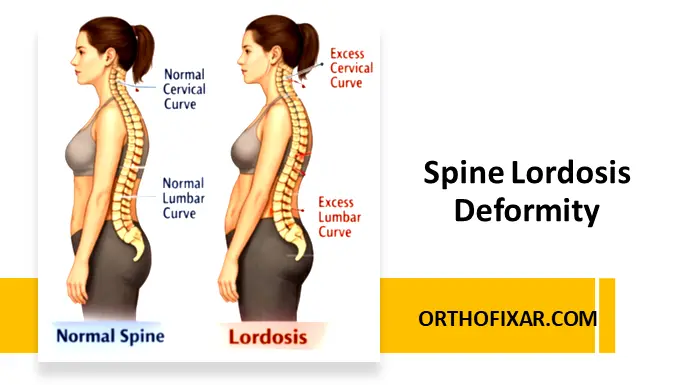
Lordosis refers to an anterior (inward) curve of the spine, commonly affecting the cervical spine curve and the lumbar spine. A mild inward curvature is physiologically normal; however, when this curve becomes exaggerated, it results in a spinal deformity known as pathological lordosis. Clinically, lordosis represents an abnormal increase in the normal cervical lordosis or lumbar lordosis and may contribute to postural imbalance, pain, and functional limitations.
Cervical and Lumbar Lordosis Anatomy
Cervical Lordosis
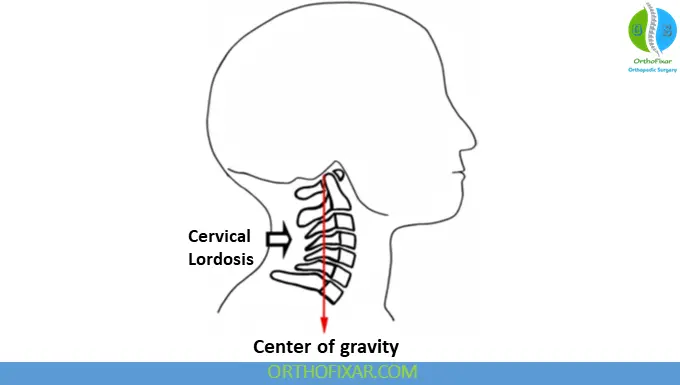
The cervical spine curve normally exhibits a gentle lordotic alignment that supports head posture and load distribution.
Cervical lordosis definition: Cervical lordosis is the normal inward curvature of the cervical spine (C1–C7). Loss or exaggeration of this curve can result in neck pain, muscle imbalance, and altered biomechanics.
Lumbar Lordosis
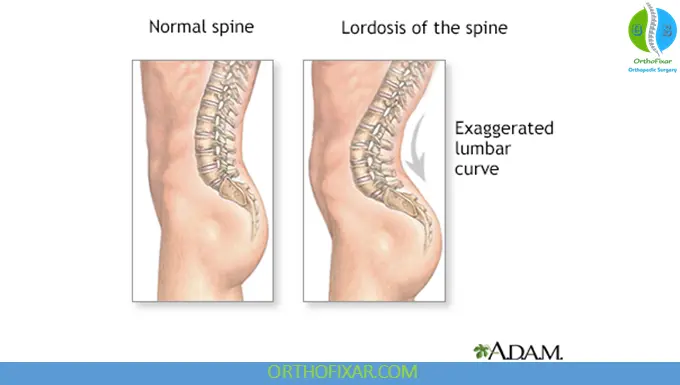
Lumbar lordosis is the inward curve of the lower spine that assists in shock absorption and upright posture. Excessive lumbar lordosis increases stress on the lumbar vertebrae, intervertebral discs, and facet joints.
See Also: Lumbar Spine Anatomy
Pathophysiology of Lordosis
Pathologically, lordosis represents an exaggeration of the normal spinal curves found in the cervical and lumbar regions. It is often associated with compensatory postural changes aimed at maintaining the body’s center of gravity and visual plane.
Common Causes of Increased Lordosis
Increased lordosis may result from one or more of the following factors:
- Postural or functional deformities
- Muscle imbalance, including:
- Weak abdominal muscles
- Tight hip flexors or lumbar extensors
- Heavy abdomen due to obesity or pregnancy
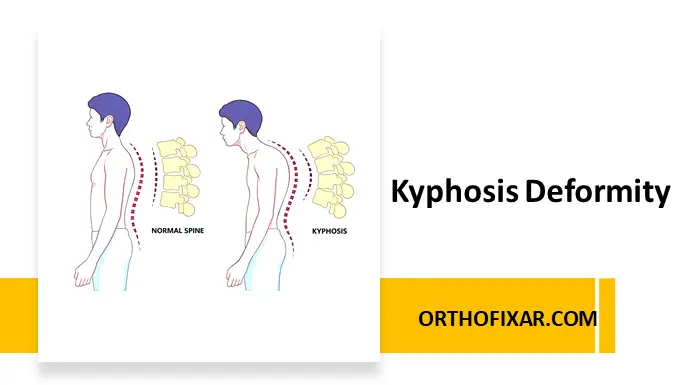
- Compensation for other spinal deformities, such as kyphosis
- Strong and tight lumbar extensor muscles
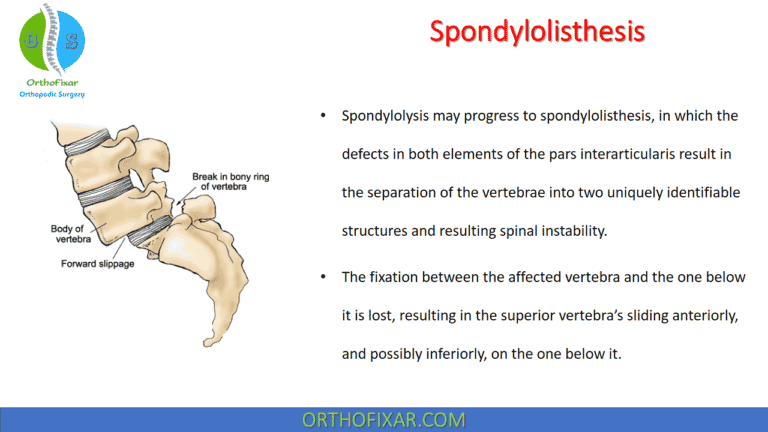
- Spondylolisthesis
- Congenital abnormalities (e.g., bilateral congenital hip dislocation)
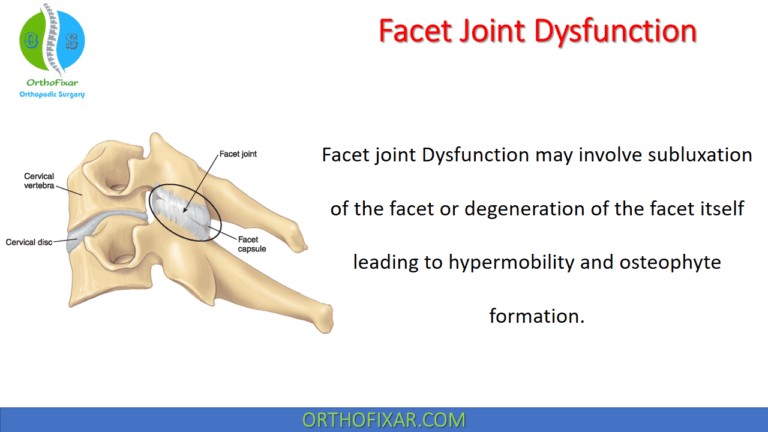
- Failure of segmentation of the neural arch at facet joints
- Lifestyle and fashion factors (e.g., prolonged use of high-heeled shoes)
Two major forms of exaggerated lordosis are recognized:
- Pathological lordosis
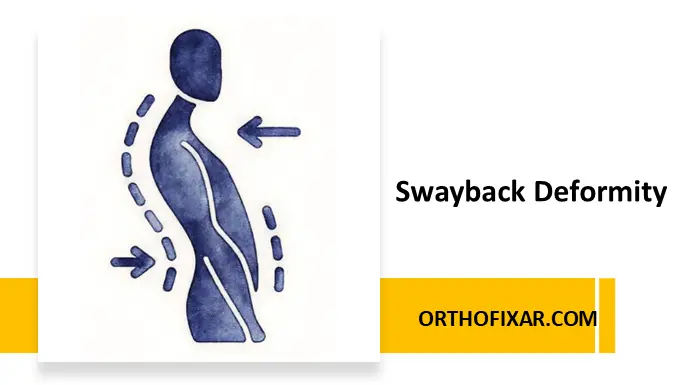
- Swayback deformity
Clinical Features of Pathological Lordosis
Patients with pathological lordosis often demonstrate global postural deviations, including:
- Sagging shoulders with scapular protraction
- Medial rotation of the arms and legs
- Forward head posture (head positioned anterior to the center of gravity)
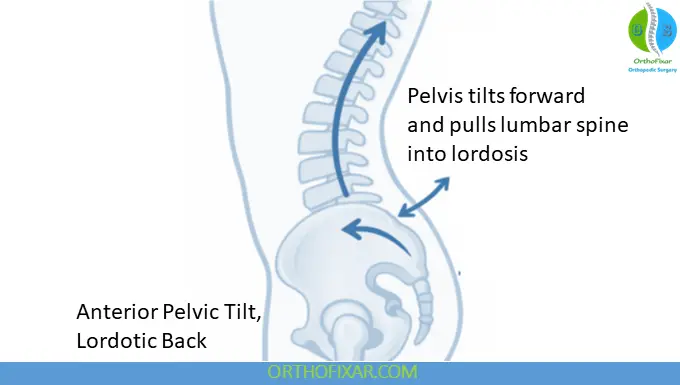
- Increased lumbar curvature with anterior pelvic tilt
These changes occur as compensatory mechanisms to maintain balance and upright posture.
Pelvic Angle Changes
- Normal pelvic angle: ~30°
- Pathological lordosis: pelvic angle increases to ~40°. This increase is associated with:
- Anterior pelvic tilt
- Increased spinal mobility
- Exaggerated lumbar lordosis
Changes Associated with Pathological Lordosis
Body Segment Alignment
- Anterior pelvic tilt with increased lordosis
- Knee hyperextension
- Slight plantar flexion at the ankles
Muscles Commonly Elongated and Weak
- Anterior abdominal muscles
- Deep lumbar stabilizers (multifidus, rotators)
- Lower and middle trapezius
- Hamstrings (initially lengthened, may shorten over time)
- Rhomboids (variable involvement)
- Upper thoracic and cervical erector spinae
- Hyoid muscles
Muscles Commonly Short and Strong
- Lumbar erector spinae
- Hip flexors
- Upper trapezius
- Pectoralis major and minor
- Levator scapulae
- Sternocleidomastoid
- Scalenes
- Suboccipital muscles
Joints Commonly Affected
- Lumbar spine
- Pelvic joints
- Hip joints
- Thoracic spine
- Scapulothoracic joints
- Glenohumeral joints
- Cervical spine
- Atlanto-occipital joints
- Temporomandibular joints
Diagnosis of Lordosis
Diagnosis of lordosis is based on:
- Postural and gait assessment
- Physical examination of spinal alignment
- Measurement of pelvic tilt and spinal curvature
- Radiographic evaluation (X-ray) to assess the degree of cervical lordosis or lumbar lordosis
Lordosis Treatment Options
Lordosis treatment depends on severity, symptoms, and underlying causes. Common management strategies include:
- Postural correction and ergonomic modification
- Physical therapy focusing on:
- Strengthening abdominal and deep spinal muscles
- Stretching tight hip flexors and lumbar extensors
- Weight management in cases of obesity
- Activity modification and footwear correction
- Bracing (in select pediatric or progressive cases)
- Surgical intervention (rare, reserved for severe structural deformities or neurological compromise)
Early identification and correction of contributing factors can prevent progression and long-term complications.
Conclusion
Lordosis is an inward curve of the spine that becomes pathological when exaggerated beyond normal anatomical limits. Both cervical lordosis and lumbar lordosis play critical roles in spinal biomechanics and posture. Understanding the causes, muscular imbalances, and compensatory mechanisms is essential for accurate diagnosis and effective lordosis treatment. A multidisciplinary approach involving physical therapy, postural education, and medical management remains the cornerstone of care.
References & More
- Fahrni WH. Backache: Assessment and Treatment. Vancouver, Canada: Musquean Publishers; 1976.
- Finneson BE. Low Back Pain. Philadelphia: JB Lippincott; 1981.
- McKenzie RA. The Lumbar Spine: Mechanical Diagnosis and Therapy. Waikanae, New Zealand: Spinal Publications; 1981.
- Porterfield JA, DeRosa C. Mechanical Low Back Pain: Perspectives in Functional Anatomy. Philadelphia: WB Saunders; 1991.
- Orthopedic Physical Assessment by David J. Magee, 7th Edition.
- Kendall FP, McCreary EK: Muscles: testing and function, Baltimore, 1983, Williams & Wilkins; Giallonardo LM: Posture. In Myers RS, editor: Saunders manual of physical therapy practice, Philadelphia, 1995, WB Saunders. Pubmed
Closed.