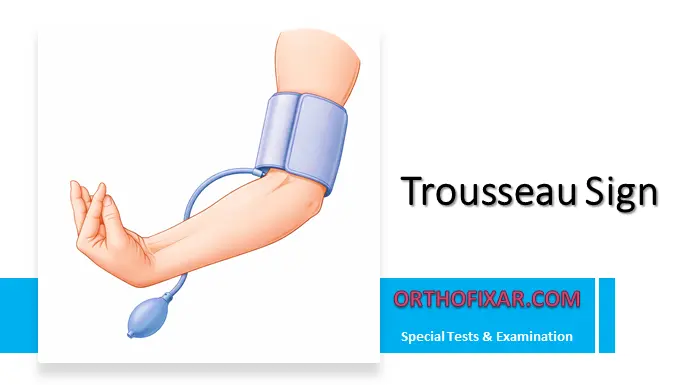
Trousseau Sign: Clinical Significance, Mechanism, and How to Test It
Trousseau sign is an important bedside clinical sign used to detect latent hypocalcemia. It is commonly assessed during…
Read Full Entry →General clinical examination and special tests in orthopedic and other medical specialties. Learn clinical examination easily.
Trousseau sign is an important bedside clinical sign used to detect latent hypocalcemia. It is commonly assessed during…
Read Full Entry →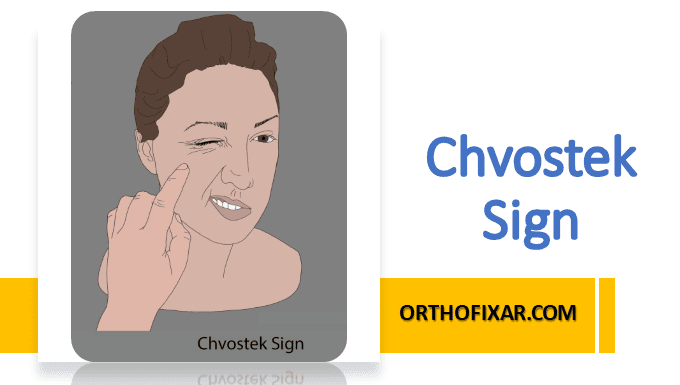
The Chvostek sign is a clinical indicator of neuromuscular excitability, typically associated with hypocalcemia (low calcium in the…
Read Full Entry →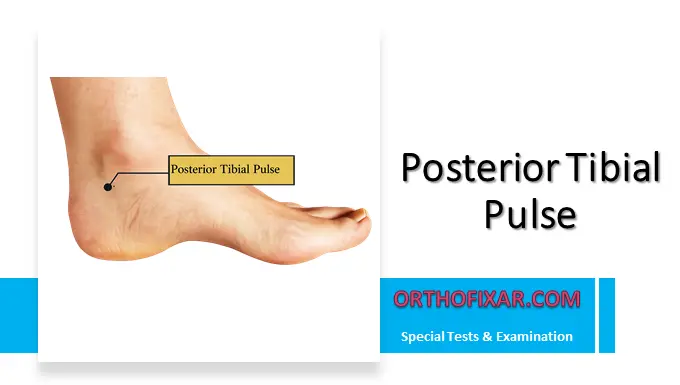
The posterior tibial pulse (PT pulse) is a key component of the lower limb vascular examination. Accurate palpation…
Read Full Entry →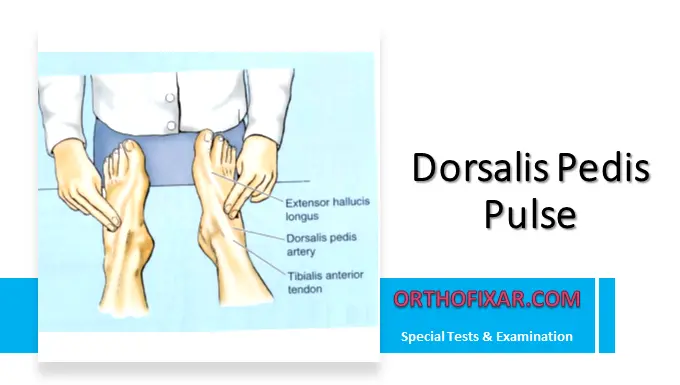
The dorsalis pedis pulse is a crucial component of lower limb vascular assessment. Palpating this pulse helps clinicians…
Read Full Entry →
Assessment of the popliteal artery pulse is a fundamental component of the lower limb vascular examination. Although more…
Read Full Entry →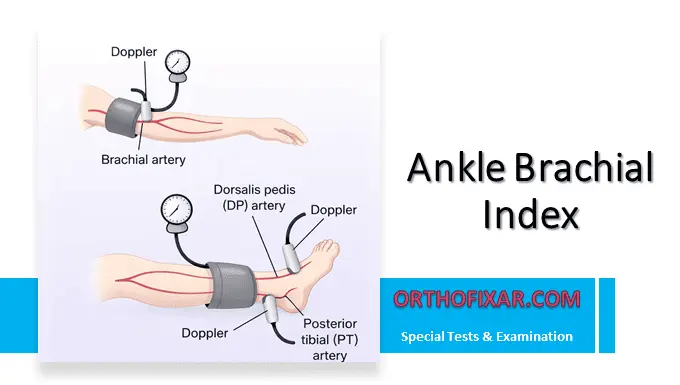
The ankle brachial index test (ABI test) is a simple, reliable, and noninvasive bedside test used to diagnose…
Read Full Entry →
Pain assessment is a core clinical skill and one of the most common reasons patients seek medical care.…
Read Full Entry →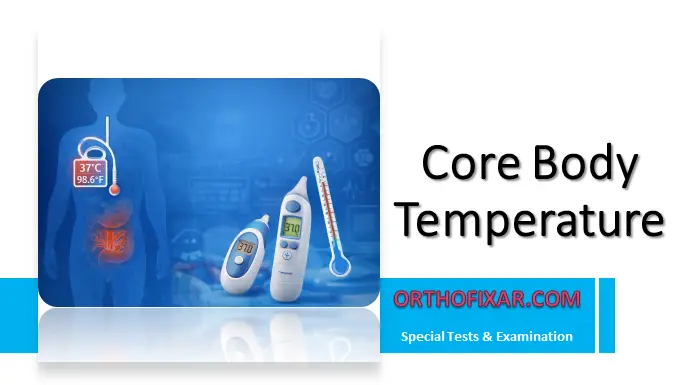
Core body temperature reflects the temperature of the body’s internal environment and is a vital indicator of physiologic…
Read Full Entry →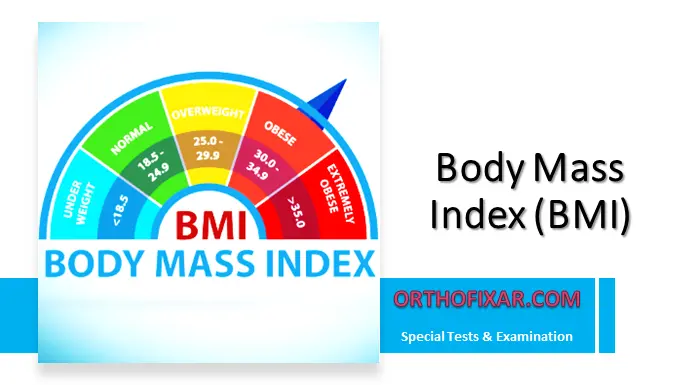
Body Mass Index (BMI) is one of the most widely used clinical tools to assess whether an adult’s…
Read Full Entry →
The Weber Barstow maneuver is a visual method for assessing leg length inequality in the supine position. It…
Read Full Entry →
Kehr's sign is a classic clinical finding characterized by referred pain to the left shoulder, particularly at the…
Read Full Entry →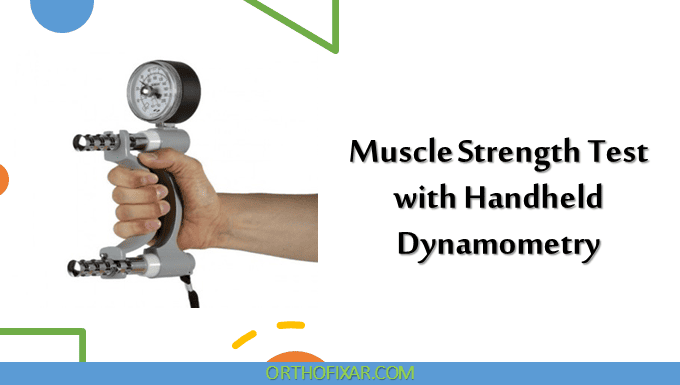
Dynamometers first appeared in 1763 and, since then, numerous modifications have been made. Currently, dynamometers come in a…
Read Full Entry →