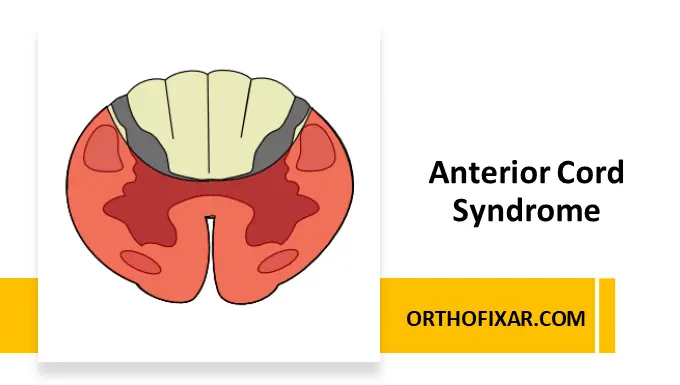
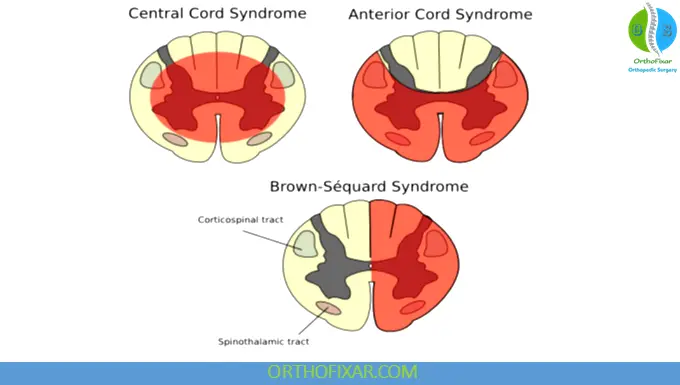
Anterior Cord Syndrome (ACS)—also known as Anterior Spinal Artery Syndrome or ventral cord syndrome—is a form of incomplete spinal cord injury characterized by motor paralysis and selective sensory loss.
It results from damage to the anterior two-thirds of the spinal cord, most commonly due to ischemia of the anterior spinal artery. This syndrome is clinically important because it carries a poor prognosis for motor recovery compared to other incomplete cord injuries.
🧬 Anatomy & Pathophysiology
The anterior spinal artery (ASA) supplies:
- Anterior horn cells (motor neurons)
- Corticospinal tracts (motor function)
- Spinothalamic tracts (pain & temperature)
Anterior spinal artery occlusion leads to:
- Ischemia of the anterior two-thirds of the spinal cord
- Infarction of motor and pain pathways
👉 The posterior columns remain intact, as they are supplied by the posterior spinal arteries.
⚠️ Etiology
Anterior cord syndrome can arise from:
🔹 Ischemic Causes (Most Common)
- Aortic pathology (e.g., dissection, aneurysm repair)
- Severe hypotension
- Atherosclerosis or thromboembolism
🔹 Traumatic Causes
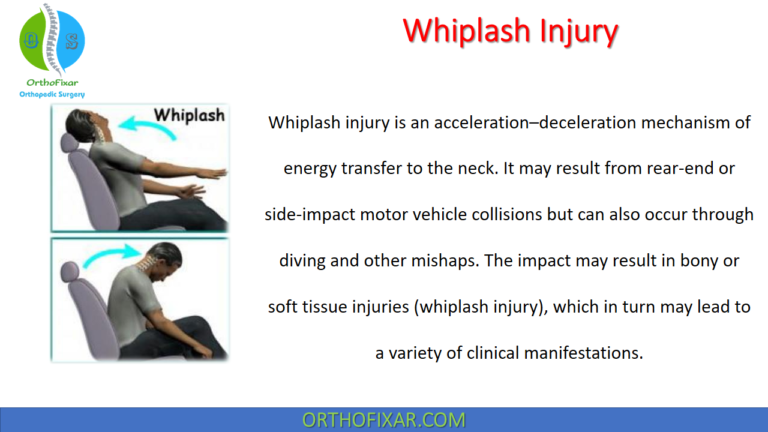
- Flexion injuries of the cervical spine
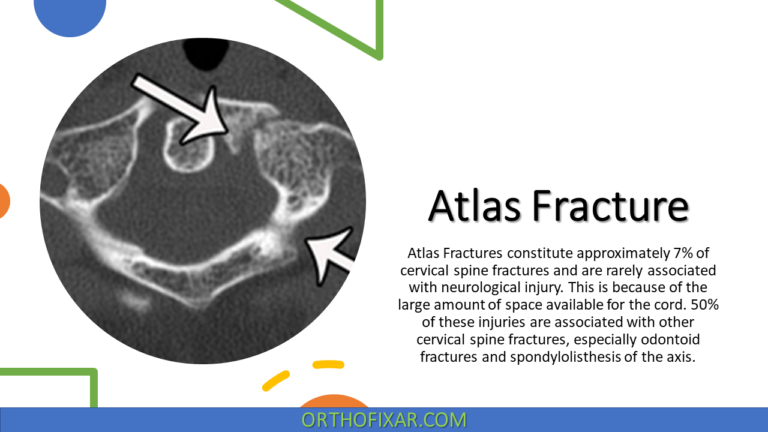
- Burst fractures
- Penetrating trauma (e.g., gunshot wounds)
🔹 Iatrogenic Causes
- Aortic surgery (cross-clamping reduces spinal perfusion)
👉 Overall, vascular compromise is the leading mechanism of the Anterior Cord Syndrome.
Clinical Features
🔸 Motor Findings
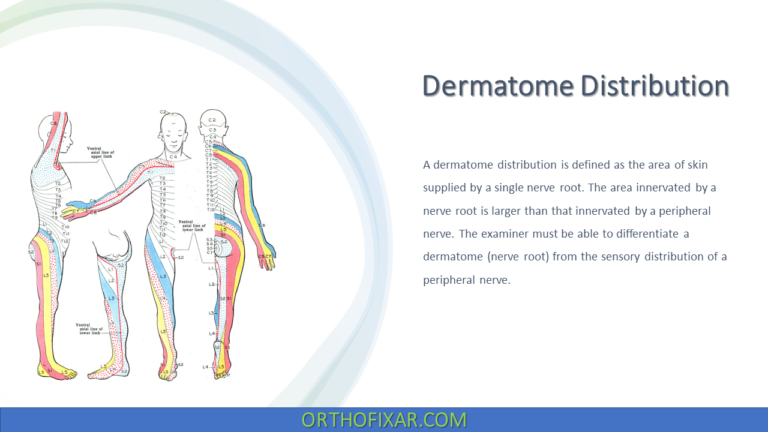
- Bilateral paralysis below the lesion (paraplegia or quadriplegia)
- Initial flaccidity → later spasticity
🔸 Sensory Findings
- Loss of:
- Pain
- Temperature
- Preserved:
- Vibration
- Proprioception
🔸 Autonomic Dysfunction
- Bladder and bowel dysfunction
- Possible sexual dysfunction
👉 This dissociated sensory loss is a hallmark feature.
Diagnosis
📍 Clinical Diagnosis
- Based on neurological examination:
- Motor paralysis
- Loss of pain/ temperature
- Preserved dorsal column function
📍 Imaging
- MRI (gold standard):
- Detects spinal cord ischemia
- “Owl’s eyes” sign on axial imaging
📍 Additional Tests
- CSF analysis (rule out infection/demyelination)
- Cardiovascular evaluation (embolic sources)
Treatment
There is no definitive curative therapy, so treatment focuses on:
🔹 Acute Treatment
- Stabilization (airway, breathing, circulation)
- Maintain spinal cord perfusion (optimize blood pressure)
- Treat underlying cause (e.g., vascular pathology)
🔹 Medical Therapy
- Antiplatelet or anticoagulation (if indicated)
- Control of glucose and temperature
🔹 Rehabilitation
- Physical therapy
- Occupational therapy
- Prevention of complications (pressure ulcers, DVT)
👉 Treatment principles are similar to:
- Acute spinal cord injury
- Ischemic vascular conditions
Prognosis
- Generally poor motor recovery
- Some sensory recovery may occur
- Worse outcomes associated with:
- Severe initial deficits
- Lack of early improvement
- High cervical involvement
👉 Among incomplete cord syndromes, Anterior Cord Syndrome has one of the worst prognoses.
Differential Diagnosis
- Central cord syndrome
- Brown-Séquard syndrome
- Posterior cord syndrome
- Transverse myelitis
- Multiple sclerosis
Key Clinical Pearls
- Loss of motor + pain/temperature with preserved proprioception = think anterior cord syndrome
- Most commonly caused by anterior spinal artery ischemia
- MRI is essential for confirmation
- Early recognition is critical but recovery is often limited
Infographic Summery
Anterior Cord Syndrome (ACS)
🧠 Definition
Injury to the anterior two-thirds of the spinal cord, typically due to anterior spinal artery ischemia.
⚠️ Causes
- Aortic pathology (dissection, surgery)
- Severe hypotension
- Trauma (flexion injuries, burst fractures)
- Thromboembolism
🔍 Key Deficits
- ❌ Motor paralysis (below lesion)
- ❌ Pain & temperature loss
- ✅ Preserved proprioception & vibration
🧪 Diagnosis
- MRI (gold standard)
- Clinical neurological exam
- “Owl’s eyes” sign on imaging
🩺 Management
- Hemodynamic stabilization
- Treat underlying cause
- Rehabilitation therapy
📉 Prognosis
- Poor motor recovery
- Some sensory improvement possible
- Worse with severe initial deficits
References & More
- Sandoval JI, De Jesus O. Anterior Spinal Artery Syndrome. [Updated 2024 Jun 7]. In: StatPearls [Internet]. Treasure Island (FL): StatPearls Publishing; 2026 Jan-. Available from: Pubmed
- Khan MM, Munakomi S, Dalal K. Ventral Cord Syndrome. [Updated 2025 Nov 7]. In: StatPearls [Internet]. Treasure Island (FL): StatPearls Publishing; 2026 Jan-. Available from: Pubmed
- Egol KA. Handbook of fractures. 6th ed. Philadelphia: Lippincott Williams & Wilkins; 2019.