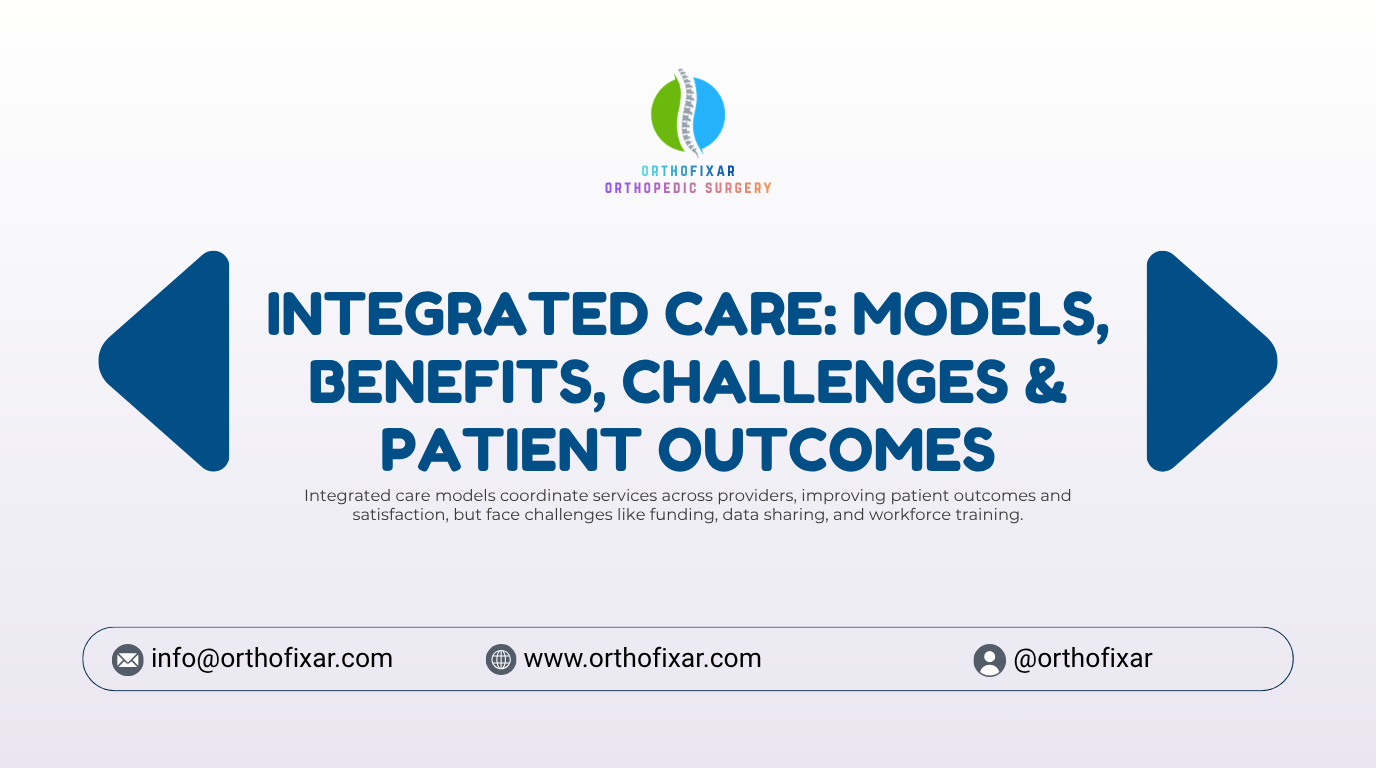
Integrated care is a shift in how healthcare teams work together, and it is designed with you, the patient, at the center. Instead of seeing a doctor here, a specialist there, and a counselor somewhere else with little communication between them, integrated care brings the whole team together. This article explains the main models, patient benefits, real challenges, and what you can expect from your own health journey.
What Is Integrated Care?
Integrated care means that physical health, mental health, and social support services are connected and coordinated around a single care plan. The goal is to treat the whole person, not just a symptom or a single condition.
When care is truly integrated, your providers share information, work toward the same goals, and involve you as part of the team. You no longer have to repeat your story to every provider or chase referrals between offices.
- One coordinated care plan that you can understand and follow.
- Providers who communicate with each other about your progress.
- Attention to social factors like housing, finances, and family support.
- Fewer repeated tests and fewer conflicting medical recommendations.
Main Models of Integrated Care
There is no single way to integrate care. Different practices and health systems use different structures depending on their resources and the needs of their patients.
Co-located Care
In this model, physical and mental health providers practice in the same building. You can see a physician and a behavioral health specialist on the same day, but the providers may still keep separate records and communicate informally.
Care Management Model
A dedicated care manager, often a nurse, coordinates your appointments, tests, and medications. This model is common for people with chronic conditions like diabetes, heart disease, or depression.
Team-Based Primary Care
Doctors, nurses, pharmacists, social workers, and mental health counselors work together in regular team meetings. Your primary care visit might include a quick check-in with several team members in one appointment.
Comprehensive Integrated Health Home
This is the most complete model. All services are under one organization, and your medical, behavioral, and social data appear in a single shared record.
| Model | How It Works | Best For |
|---|---|---|
| Co-located care | Providers share a building but keep separate systems | Mild to moderate mental health needs alongside routine care |
| Care management | A coordinator handles follow-up, referrals, and medication plans | Chronic diseases that require close monitoring |
| Team-based primary care | A multidisciplinary team meets regularly about your case | Preventive care and patients with multiple risk factors |
| Comprehensive health home | Full integration of medical and behavioral care | Complex conditions, serious mental illness, or dual diagnoses |
These models are not mutually exclusive. Many practices combine elements of several models to match the needs of the people they serve.
Benefits of Integrated Care for Patients
Integrated care changes the everyday experience of being a patient. The benefits go beyond convenience, and they can affect your long-term health in meaningful ways.
- Better communication between your providers: Your doctor, therapist, and pharmacist can see the same plan and avoid giving conflicting advice.
- Time savings: You spend less time traveling between appointments and fewer hours explaining your history over and over.
- Improved mental health support: Depression and anxiety are often addressed in the same visit as physical concerns, which reduces stigma and makes it easier to ask for help.
- Fewer repeated tests: Shared records mean that a blood test or scan does not need to be ordered twice by different specialists.
- More proactive care: When your team has a full picture of your health, they can spot risks earlier and act before a condition worsens.
Challenges That Still Need Attention
Integrated care is not a perfect system, and it is important to understand the obstacles that patients and providers still face.
- Privacy concerns: Sharing records across providers can be difficult when health data laws and consent rules are strict.
- Different electronic record systems: Not every clinic uses the same software, so information may not flow smoothly between them.
- Not enough coordination staff: Care managers and coordinators are essential, but they are often underfunded and stretched too thin.
- Geographic gaps: Rural and low-income communities often have fewer integrated clinics, so access is unequal.
- Time pressure: Providers still operate within short appointments, which limits how much they can discuss with each other during your visit.
These challenges are not reasons to avoid integrated care. They are things to look for and ask about when choosing a clinic.
Patient Outcomes and What You Can Expect
Patients who receive integrated care often report better satisfaction with their treatment and a clearer understanding of their own health needs. That daily comfort matters, but what about measurable health outcomes?
People with chronic conditions like diabetes, high blood pressure, and depression tend to have better symptom control when their physical and mental health are managed together. They are also less likely to end up in the emergency room for issues that could have been caught earlier.
When your doctors talk to each other, you stop being the messenger between them. That alone can change how safe and supported you feel during treatment.
It is also common to see lower overall healthcare costs over time because prevention and early treatment reduce the need for expensive emergency care. For patients, the biggest change is often the mental shift: you stop feeling like a file and start feeling like a partner.
You do not need to wait for a health system to reorganize around you. There are practical steps you can take today to get more integrated care.
- Ask your clinic directly: Ask whether your primary care clinic offers same-day access to mental health support or care coordination.
- Keep a personal health record: Track your medications, allergies, and past treatments so you can share accurate information with every provider.
- Authorize record sharing: Sign consent forms that allow your providers to communicate, and ask them to send notes to each other if their systems are not connected.
- Bring a list of your goals: Tell your care team what matters most to you, such as sleeping better, reducing pain, managing stress, or avoiding side effects.
- Use telehealth for follow-ups: Virtual visits can be an easy way to stay connected with a specialist while your local team handles your routine care.
Being an active participant increases the chance that your care feels seamless, even when the system is not perfect.
The Future of Integrated Care
Integrated care is likely to become the standard in many healthcare settings because it reflects what patients actually want: simple, coordinated treatment that does not require you to navigate a maze. New tools are making this easier every day.
- Patient portals are expanding to show all appointments, test results, and messages from different providers in one place.
- Artificial intelligence is starting to help care teams spot patterns across medical and behavioral data, which may improve early diagnosis.
- Value-based payment models are encouraging clinics to invest in coordination because they are rewarded for patient health, not just the number of visits.
Integration is not about building a bigger system. It is about making the system you already have work as one team around the patient.
As these changes continue, you can expect more clinics to offer some level of integrated care. The direction is clear: healthcare is moving toward whole-person, coordinated treatment rather than isolated visits.
Conclusion
Integrated care is a strong step toward making healthcare feel more human, and it can improve both your experience and your health outcomes. Even if the system is still developing, you can start now by asking the right questions, keeping your own records updated, and building a relationship with a coordinated team. Whole-person care is a realistic goal, not a distant promise.
Frequently Asked Questions
What is integrated care in simple terms?
Integrated care is an approach where your physical and mental health providers work as one team and share information. You get a single care plan instead of separate, disconnected treatments.
Who benefits most from integrated care?
People with chronic conditions, mental health challenges, complex medication regimens, or multiple providers often benefit the most. Older adults and those with limited transportation also gain because fewer appointments are needed.
Does integrated care cost more than regular care?
Sometimes there are upfront costs for coordination and staffing, but overall healthcare costs may decrease over time. Fewer repeated tests, fewer emergency visits, and better prevention can lower your out-of-pocket expenses.
Will I still have a primary care doctor?
Yes. Integrated care is built around the primary care relationship. Your doctor continues to lead your care and brings in specialists and other providers as needed.
How does integrated care affect mental health treatment?
Mental health services are offered in the same setting as your regular medical appointments. This makes it easier to ask for help, reduces stigma, and encourages your therapist and doctor to coordinate your treatment.
Can integrated care help with chronic conditions?
It is especially helpful for chronic conditions like diabetes, heart disease, and depression. A coordinated team can track your numbers, adjust medications, and catch early warning signs before they become emergencies.
What happens if my providers use different record systems?
In many cases, you can sign a release so your providers can share records directly. You can also bring a summary of your own health information to each visit. It is not the same as a shared system, but it helps fill the gap.
Is telehealth part of integrated care?
Yes. Telehealth has become a practical way to connect patients with specialists or mental health counselors without extra travel. When virtual visits are combined with your primary care team, they support integration instead of replacing it.
How do I know if my clinic offers integrated care?
Ask the front desk whether they offer same-day mental health access or care coordination. You can also ask whether your doctor regularly reviews your care plan together with specialists.
What should I do if I want integrated care?
Start with your current primary care provider. Ask for a care plan that includes your mental health and social needs, and request that they coordinate with other specialists you see. If your clinic does not support this, ask for a referral to a practice that does.