Most fitness advice for men over 45 focuses on what to do in the gym and what to put on your plate. Both matter. But there is a third variable that shapes how well every training session and every meal actually works — one that almost every article mentions in a single sentence before moving past it entirely.
Every man researching how to gain muscle after 45 male eventually hits the same wall: the training is consistent, the protein is there, and the results are underwhelming. What is often missing is not a better program. It is the hormonal environment in which every workout and every meal either produces results or falls short. When that environment is working against the process, no amount of extra effort fully compensates.
The good news is that testosterone levels at 45 are not a fixed number. Researching the question “does low testosterone cause weight gain?” there is a meaningful range of natural factors — training choices, body composition, sleep quality, nutrition, and stress — that either support or suppress how much testosterone the body produces. Understanding those factors is foundational to how to gain muscle after 45 male without hitting a ceiling that has nothing to do with effort.
Why Testosterone Is the Environment, Not Just a Number
Testosterone does not build muscle directly. What it does is create the conditions in which muscle protein synthesis happens at a useful rate. It increases the sensitivity of muscle cells to growth signals, speeds up recovery from training, helps the body hold onto lean mass during a caloric deficit, and — critically — sustains the drive and physical energy needed to train with enough intensity to make progress.
When testosterone is low, the entire cascade works less efficiently. Muscle protein synthesis slows. Recovery takes longer. Body fat accumulates more easily, particularly around the abdomen. And the training effort required to generate the same anabolic stimulus gets progressively larger. This is why how to gain muscle after 45 male is not just a training question — it is a hormonal one.
The decline between 25 and 45 is real, but it is not uniform. Lifestyle factors account for a significant portion of the variation between men at the same age. That is exactly what makes this worth understanding and acting on.
The Body Fat and Estrogen Connection
Of all the factors that suppress testosterone in men over 45, excess body fat — particularly visceral fat around the abdomen — is one of the most significant and least discussed. Fat tissue contains an enzyme that converts testosterone into estrogen. The more body fat a man carries, the more actively that conversion is working against his testosterone levels.
This creates a self-reinforcing loop that makes how to gain muscle after 45 male progressively harder as body fat rises: lower testosterone makes fat gain easier, more fat lowers testosterone further, and the cycle tightens.
Breaking that loop does not require achieving dramatically low body fat. It requires consistent movement in the right direction. Even moderate reductions in body fat — achieved through training and a sustainable caloric deficit — measurably reduce that conversion process and allow free testosterone levels to recover. The goal is not leanness as an end in itself. It is a more favorable hormonal environment in which muscle building actually produces visible results.
How Training Style Shapes Hormonal Output
Not all training produces the same hormonal response. Heavy compound movements — squats, deadlifts, rows, overhead presses, pull-ups — generate a significantly stronger testosterone response than isolation exercises or moderate-weight, high-rep work. The size of the muscle groups involved and the intensity of the effort both influence how strongly the body responds hormonally.
This is one of the most actionable training insights for how to gain muscle after 45 male: the stimulus needs to be genuinely challenging, not just time-consuming.
A program built primarily around machines, light weights, and high reps will not drive the hormonal response that supports meaningful muscle growth in this age group. That does not mean training to failure every session or ignoring recovery — it means that compound movements performed with real effort should anchor every workout, and that the weight on the bar should be difficult enough to require focus and recovery.

Sleep Is Where Testosterone Gets Made
Most testosterone production in men happens during sleep — specifically during the deeper stages of the sleep cycle. Even modest reductions in sleep quality or duration have a measurable impact on how much testosterone the body produces overnight. Six hours a night is producing meaningfully less testosterone than eight hours, regardless of everything else going right during the day.
This makes sleep quality one of the most underused variables for how to gain muscle after 45 male, and one of the highest-leverage changes available without spending anything.
The practical side of sleep hygiene for hormonal output comes down to a few consistent habits. Keeping sleep and wake times stable — including on weekends — matters more than most people realize, because testosterone production follows the body’s internal clock. Alcohol in the hours before bed directly suppresses the deep sleep stages where hormonal recovery is concentrated. A dark, cool room and limiting screen brightness before bed support the quality of sleep that actually drives overnight testosterone production.
The Nutritional Foundation Testosterone Needs
Three nutritional factors have a direct relationship with testosterone production that almost no fitness article for men over 45 covers in practical terms.
Dietary fat. Testosterone is a steroid hormone built from cholesterol. Men eating very low-fat diets consistently show lower testosterone than those eating adequate fat. For any man focused on how to gain muscle after 45 male, a diet that is excessively fat-restricted is working against the hormonal environment needed to build muscle — regardless of how high the protein intake is.
Zinc. Zinc plays a direct role in testosterone synthesis and is lost through sweat. Men who train regularly and do not eat zinc-rich foods — red meat, shellfish, pumpkin seeds — are commonly deficient without realizing it. This is a fixable gap with direct hormonal consequences.
Vitamin D. Vitamin D behaves more like a hormone than a vitamin in the body, and its receptors are present in the same cells that produce testosterone. Low levels are associated with lower testosterone. The majority of men, particularly in northern climates during winter months, are insufficient or deficient — making this one of the most straightforward nutritional adjustments available.
Cortisol — The Silent Testosterone Suppressor
Cortisol and testosterone share raw materials in the body. Under conditions of chronic stress — whether from work, sleep deprivation, or overtraining — the body shifts production toward cortisol at the direct expense of testosterone. This is not theoretical. It is a hormonal trade-off that becomes increasingly significant across a man’s 40s, when stress tends to accumulate from multiple directions simultaneously.
Chronic stress in the context of how to gain muscle after 45 male includes overtraining itself.
Men who train five or six days a week without adequate recovery are often in a state of chronically elevated cortisol, which suppresses testosterone and creates a hormonal environment that breaks down muscle rather than building it. More training is not always more productive — managed training load, real rest days, and recovery space outside the gym are part of the hormonal management that makes muscle growth possible.
Where to Start
The most practical approach to how to gain muscle after 45 male through a hormonal lens is to address the highest-leverage variables first rather than trying to optimize everything at once.
If body fat is elevated, gradual body recomposition — losing fat while building or maintaining muscle — addresses both the aesthetic goal and the testosterone environment simultaneously. If sleep is below seven hours or consistently fragmented, fixing that is the single highest-impact change available before adding more training volume or adjusting nutrition. If training has been built mainly around machines, moderate weights, and high reps, shifting toward compound movements at meaningful intensity will produce both a stronger training stimulus and a better hormonal response.
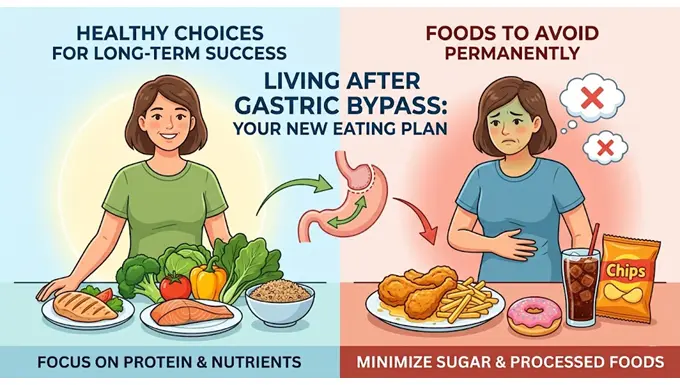
Nutrition does not need to be complicated. Adequate dietary fat from whole food sources, protein spread consistently across meals, and attention to zinc and vitamin D cover the most common nutritional gaps in this group.
The Bottom Line
How to gain muscle after 45 male is, at its core, a question about creating the conditions in which muscle growth is biologically possible — not just performing the right exercises.

Testosterone is the hormonal environment in which every workout either produces results or gets partially wasted. It is not fully within your control, but it is far more responsive to daily habits than most fitness advice acknowledges. Body composition, training intensity, sleep quality, dietary fat, zinc, vitamin D, and stress and recovery management are not peripheral concerns for this group. They are the variables that determine how efficiently the body actually responds to the work being put in.
The men who make consistent progress building muscle after 45 are not necessarily the ones doing the most. They are the ones who have built the conditions that allow their effort to actually produce results. Understanding how to gain muscle after 45 male as a hormonal challenge — and not just a training challenge — is where that progress begins.