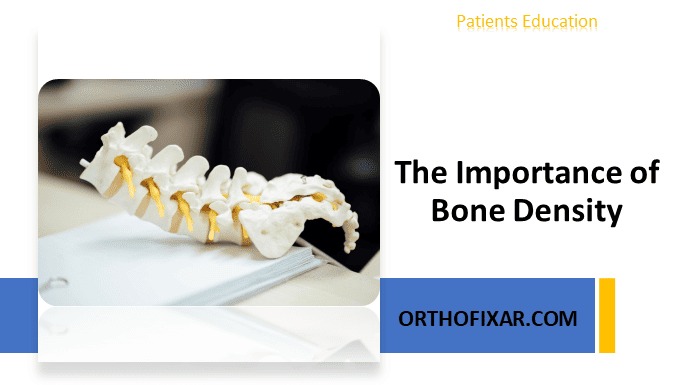
Most people have heard of the concept of “bone density” before as well as the fact that it naturally begins to decrease with age. The risks of decreased intensity include osteopenia, a condition where density is lower than normal and which often serves as a warning sign, as well as osteoporosis, a more serious issue that makes the bones brittle and more susceptible to breaks from even mild injuries or minor falls. However, protecting or improving bone health is possible.
DEXA Scans
A DEXA scan is, simply put, a type of scanning that lets you know how likely you are to break a bone. They can also assess your full-body composition by region, such as the amount of lean muscle you have per limb or your body fat percentage. Patients can find DEXA Scans locations that are close to where they live, compare prices and book appointments with no hassle, and the medical imaging process itself is really quick.
DEXA scans use lower doses of radiation so their health risks are much lower than those of a standard X-ray. It is also capable of measuring even the tiniest changes in bone density, making it easier to diagnose osteoporosis during its earliest stages, when it is much easier to deal with. The results of these scans allow physicians to determine whether treatment is needed, and if so, what kind would be most effective. DEXA scans are recommended for those at higher risk of developing bone conditions.
If you’ve broken a bone before even though the injury was minor and shouldn’t have caused such damage, if you’re dealing with conditions such as arthritis, or if you were prescribed certain medicines (such as glucocorticoids, which are utilized in the treatment of asthma or severe allergies) for over three months you’re more likely to need a scan. Women who had an early menopause or had their ovaries removed before the age of 45 (and didn’t have HRT in the aftermath), smoking, drinking, a medical family history of hip fractures, a BMI of less than 21, and being a woman with large gaps between periods can also make you qualify for DEXA.
Why bone density matters
Bone density is crucial for mobility as well as for the protection of the body’s organs and as a means to anchor the muscles. When bones are sufficiently dense, they are better equipped to handle impact. Even if you’re hurt the risk of a severe break is reduced. Strong bones are also needed for joint stability and they are one of the most important things not just for your health but for your independence too, especially as you continue aging.
When your bones are strong your posture will also be so much better and you can walk, lift things, and move without any pain. Moreover, avoiding complicated fractures prevents long-term disability since many of the fractures resulting from osteoporosis can lead to chronic pain or lasting damage unless the recovery process is managed very carefully.
Protecting the bones
Improving and protecting your bone density is a multi-layered approach that combines physical activity with healthy lifestyle habits and good nutrition. One of the best things you can do is to start lifting weights. Strength training done at least two or three times a week can help tremendously. That’s because anytime you use resistance your muscles tug on the tendons attached to the bones. The mechanical force and physical weight press on the structure of the bones, activating the cells that rebuild bones and form new tissue.
These cells will also deposit minerals such as calcium into areas that are under stress, improving density and making the bones stronger over time. In order for it to be effective you need to be persistent in your training. Strength workouts have other benefits too, such as enhance stability and muscle control, which in turn will prevent accidental falls. Jogging, climbing stairs, and even a bit of brisk walking can be very helpful since they get your bones to work against gravity. Impact exercises like heel drops, gentle jumping, or stomping are beneficial too, but should only be done if your bones are already fairly healthy and strong.
The food you eat is also very important. Calcium is the best-known helper, strengthening mass and structure. It can be found in dairy, dark leafy greens and fortified plant milk. Vitamin D helps calcium get absorbed properly, while magnesium helps with mineral density. Vitamin K, which directs calcium to your bones instead of your arteries, can be found in broccoli and Brussels sprouts. Protein is also very important, since it builds collagen, much like vitamin C, which supports its creation too. Cutting back on sugar and salt as well as drinking caffeine and alcohol in moderation are good ideas as too much of these causes the body to lose calcium, decrease nutrient absorption, and impact bone density overall.
How often should bone density be checked?
Patients who receive an osteoporosis diagnosis must begin treatment and monitor their condition very carefully. The rate at which bone density should be checked will depend on how well one responds to treatment. Yearly checkups are typically enough for those who find that the treatment is working for them, while some patients check every two years. Those who are younger or are dealing with other health concerns might need to be checked twice a year. It all depends on the person and their doctor.
The type of treatment a patient will receive must also take their entire body into account. For example, there are some medications you may not be able to take because you’re allergic to some of the ingredients or because they would clash with other medication you’re taking and end up causing health issues.
In conclusion, bone density has a huge impact on health and general well-being. It’s important to protect it and ensure that you have access to treatments, training, and the best nutrition that can get you back on track so that you live your life without worrying about injuries or damage.