Hip replacement is a major operation, but it is also one of the most successful procedures in modern medicine. If you are living with hip pain and wondering whether surgery is right for you, this guide explains the symptoms doctors look for, the tests they use, and the personal factors that help decide if you are a hip replacement candidate. It is written to help you understand the process before you meet with an orthopedic specialist.
What Does It Mean to Be a Hip Replacement Candidate?
A hip replacement candidate is someone whose hip joint damage is severe enough that nonsurgical treatments no longer control the pain, and who is healthy enough to undergo surgery safely. The decision is not based on age alone. It is based on how much your hip condition affects your daily life and whether surgery can realistically improve it.
- You have persistent hip pain that limits routine activities.
- Conservative treatments such as physical therapy, medication, or injections have stopped helping.
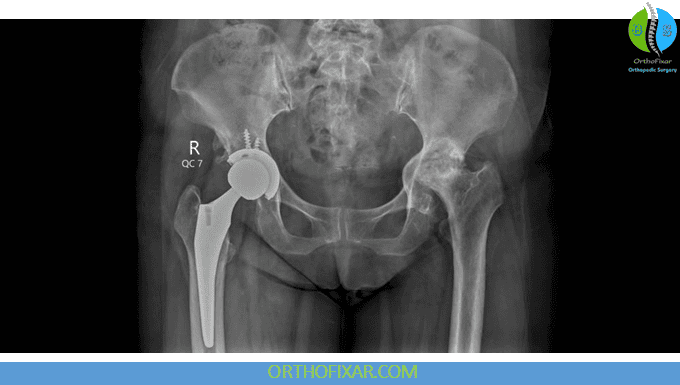
- Imaging shows significant damage to the cartilage or bone.
- You have a stable overall health status that allows a safe surgical procedure.
Being a candidate also means you have clear goals. You want to return to walking, sleeping, working, or recreational activities. You understand that a replacement will not make you feel like you did in your twenties, but it should greatly reduce pain and improve mobility.
Symptoms That Suggest You Might Be a Candidate
Hip arthritis and related conditions produce recognizable symptoms. Many patients ignore these signs for years, attributing the pain to normal aging or muscle strain. Recognizing the symptoms early can help you seek an evaluation before your quality of life drops further.
- Pain in the hip, groin, thigh, or sometimes the knee.
- Stiffness in the morning or after long periods of sitting.
- Pain that gets worse with walking, climbing stairs, or standing.
- Night pain that wakes you from sleep.
- A limp or a need to use a cane or walker.
- Trouble with simple tasks like putting on socks, shoes, or getting out of a low chair.
If these symptoms sound familiar, keep a journal of when the pain occurs and what makes it better. That information is very useful to your surgeon and helps confirm whether you are a hip replacement candidate or whether other treatments might still help.
Tests and Evaluations Doctors Use
Your doctor will not rely on symptoms alone. A combination of physical examination and imaging tests paints a complete picture of your hip joint. These tests help determine the severity of the damage and whether a joint replacement is the best next step.
| Test | Purpose | What It Shows |
|---|---|---|
| Physical exam | Assess movement, strength, and gait | Pain patterns, range of motion limits, leg length difference |
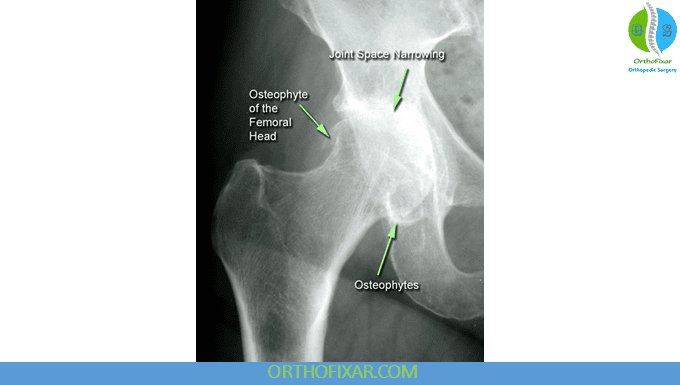
| X-ray | First-line imaging for hip pain | Joint space narrowing, bone spurs, arthritis severity |
| MRI | Detailed soft tissue imaging | Cartilage tears, labral damage, avascular necrosis |
| CT scan | Bone structure in 3D | Complex fractures, deformities, or bone loss |
| Bone scan | Detect stress injuries or infection | Areas of increased bone activity |
| Blood tests | Rule out infection or inflammatory disease | White blood cell count, inflammatory markers |
Your surgeon may also ask you to try a diagnostic injection. A local anesthetic injected into the joint can confirm whether the hip is truly the source of your pain. If the injection brings temporary relief, it strengthens the case that hip replacement can help.
Key Decision Factors That Matter Most
Beyond tests, your surgeon will talk through several personal factors. These influence both the decision to operate and the outcome of the surgery.
- How long you have had pain and whether it is getting worse.
- The degree to which hip pain limits walking, working, or caring for yourself.
- Whether you have tried physical therapy, anti-inflammatory medications, or joint injections.
- Your age, activity level, and what you want to do after recovery.
- Bone quality and overall health conditions like diabetes or heart disease.
- Body weight and body mass index, which can affect surgical risk and implant longevity.
- Smoking status, because smoking slows healing and raises infection risk.
The best candidates are not necessarily the youngest or the most active. They are the people who have clear goals, realistic expectations, and a willingness to commit to their recovery.
Your motivation matters. A hip replacement does not work by itself. You will need to practice exercises, move regularly, and follow your surgeon’s restrictions during the first weeks after surgery.
When Hip Replacement Might Not Be Right
Not everyone with hip pain is a hip replacement candidate. Some conditions make surgery too risky or unlikely to succeed. Your surgeon will explain if any of these apply to you.
- Active or recent infection in the joint, urinary tract, or elsewhere in the body.
- Severe heart or lung disease that makes general anesthesia dangerous.
- Insufficient bone to support the implant.
- Severe muscle weakness or paralysis around the hip.
- Unrealistic expectations about what the surgery can achieve.
- Untreated obesity in some surgical centers, depending on their guidelines.
If you fall into one of these categories, it does not mean surgery will never be possible. Some problems can be treated first. For example, an infection can be cleared, or you may be asked to lose weight and improve your fitness before surgery.
How to Prepare for a Hip Replacement Consultation
If you believe you may be a hip replacement candidate, your next step is a consultation with an orthopedic surgeon. Preparation will make that visit far more productive.
- Bring a list of your symptoms and how long you have had them.
- Bring copies of any imaging reports, X-rays, or MRI scans.
- Write down what treatments you have already tried and what happened.
- List your medications, allergies, and medical conditions.
- Prepare clear questions about the surgical approach, implant type, and recovery timeline.
- Arrange for someone to help you at home during the first two weeks after surgery.
No test alone tells you whether you need a hip replacement. The whole picture — your symptoms, your scans, and what matters to you — guides the decision.
During the consultation, expect a thorough physical exam. The surgeon will check your leg length, range of motion, muscle strength, and how you walk. Do not hide pain or downplay your limitations. Honest answers help you get the right recommendation.
Questions to Ask Your Surgeon
- What type of implant do you recommend and why?
- What surgical approach will you use?
- How many hip replacements do you perform in a typical year?
- What are the most common complications I should watch for?
- What does the recovery process look like in the first week, first month, and first year?
- When can I return to driving, work, and exercise?
You should leave the consultation with a clear understanding of what surgery involves and what you need to do before the operation. If your surgeon recommends replacement, you can feel confident that the decision is based on your individual situation, not just a checklist.
Deciding whether to become a hip replacement candidate is a significant step. Look at your symptoms honestly, complete the recommended tests, and weigh the decision factors with your surgeon. If you have failed conservative treatment, your imaging confirms joint damage, and your daily life is suffering, a hip replacement may be the most practical path toward lasting relief and restored mobility.
Frequently Asked Questions
How long does hip pain have to last before considering replacement?
There is no fixed waiting period. Most surgeons consider surgery after several months of persistent pain that does not improve with conservative treatments. If the pain is severe and your quality of life is poor, surgery can be discussed sooner.
What is the typical age for hip replacement?
There is no typical age. Many patients are in their sixties, seventies, or eighties, but younger adults with advanced arthritis or injury can also have successful replacements. Age alone is far less important than your overall health and functional needs.
Can I have hip replacement if I am overweight?
Yes, many overweight patients have successful hip replacements. However, higher body weight increases the risk of wound healing problems, infection, and implant wear. Some surgeons have specific BMI thresholds, but the decision is individualized.
What is the recovery time after hip replacement?
Most people walk with a walker within a day or two after surgery. Driving may resume in a few weeks if you are not taking opioid pain medication. Returning to full activity may take several months, and improving strength and endurance can continue for up to a year.
Can a hip replacement be done more than once?
Yes. A second surgery, called a revision, can replace worn or loose components. Revision surgery is often more complex than the first operation, but it is a reasonable option when needed.
Do I need to stop smoking before surgery?
Yes, strongly. Smoking reduces blood flow to healing tissues and increases the risk of infection and implant failure. Most surgeons recommend quitting at least four to six weeks before the operation, and many require a nicotine-free test before scheduling.
What happens if I wait too long for hip replacement?
Waiting usually does not cause immediate harm, but it can allow your muscles to weaken and your pain to become chronic. Prolonged limping can also affect your lower back and knee. If you are already a candidate, delaying for years may make recovery harder.
Are there nonsurgical options to try first?
Yes. Physical therapy, anti-inflammatory medications, activity modification, and steroid injections are common options. The fact that these treatments have failed is often part of the criteria for becoming a hip replacement candidate.
How do I know if my bone quality is good enough?
Your surgeon will evaluate bone quality using X-rays and your general health history. Blood tests can check for vitamin D or calcium problems. If bone quality is poor, your surgeon may recommend medications to strengthen bone before or after surgery.
What questions should I ask the surgeon?
Ask about the surgeon’s experience, the surgical approach, the implant material, expected hospital stay, pain management, and what activities you can resume. Also ask what happens if something goes wrong and what the long-term outlook is for the implant.