An avulsion fracture occurs when a tendon or ligament pulls a fragment of bone away from its attachment point. Instead of the soft tissue tearing under stress, the bone gives way first. This injury is common in sports, falls, and sudden twisting movements, and it can affect people of nearly any age. Understanding the mechanism, symptoms, and treatment options helps patients recognize the injury early and make informed decisions about recovery.
What Is an Avulsion Fracture?
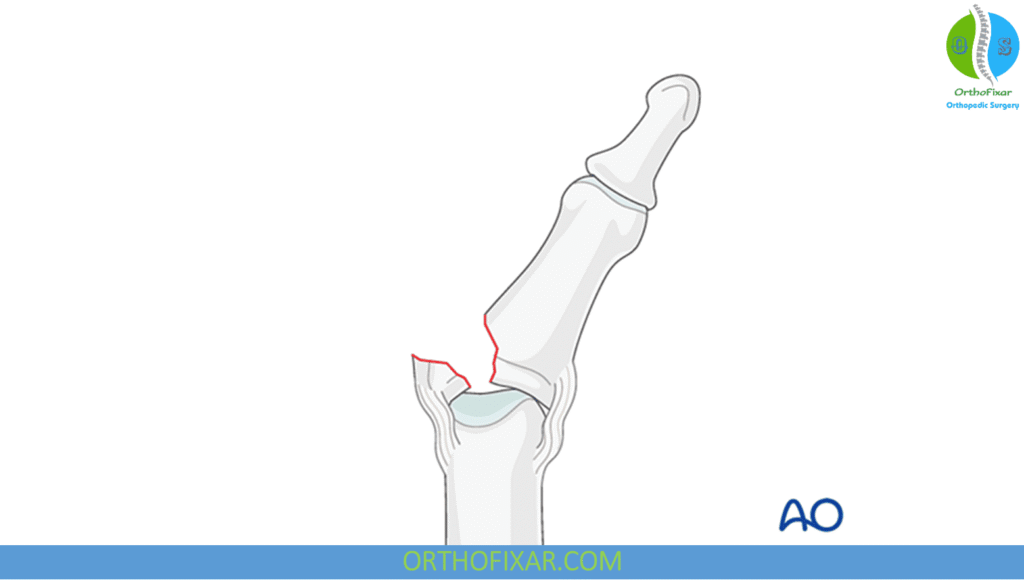
An avulsion fracture is a specific type of fracture in which a fragment of bone is torn away at the site where a tendon or ligament attaches. The force generated by a sudden, powerful muscle contraction or a sharp joint movement exceeds the bone’s ability to hold the attachment in place. The result is a small, often tiny, piece of bone that separates from the main bone.
Avulsion fractures can occur almost anywhere in the body where tendons and ligaments attach to bone. Some are minor and heal with rest and protection, while others require surgery to reattach the bone fragment and restore normal function.
How an Avulsion Fracture Differs From Other Fractures
Most fractures happen when a bone is struck, twisted, or crushed by an external force. An avulsion fracture is different because the injury originates in the soft tissue. The pull of a tendon or ligament is what breaks the bone, which is why avulsion fractures are sometimes called traction fractures or pull-off fractures.
- They usually involve a small bone fragment rather than a long crack.
- They often occur near a joint where tendons and ligaments attach.
- They can happen without any direct impact to the bone.
- They are frequently linked to sudden sprinting, jumping, or twisting.
- They may be mistaken for a muscle strain or sprain at first.
Common Causes of an Avulsion Fracture
An avulsion fracture is caused by a sudden, forceful pull on a bone attachment. The trigger is usually a quick, explosive movement rather than a slow, gradual overload. In younger people, the growth plate near the attachment can be weaker than the tendon, making avulsion injuries more likely during sports. In older adults, reduced bone density means even moderate force can cause a fragment to pull away.
Sports and Physical Activity
Explosive movements are a leading cause of avulsion fractures. Sprinting, jumping, kicking, and rapid changes of direction all place high stress on tendon attachments.
- Sprinting or accelerating suddenly
- Jumping and landing hard
- Kicking a ball with full force
- Twisting the knee or ankle during a pivot
- Lifting heavy weights with poor form
Falls and Accidents
A fall can force a joint into an extreme position, stretching a ligament until it pulls bone away at its attachment. This is common in falls from a height, slips on stairs, and bicycle or motorcycle accidents. Even a simple stumble can cause an avulsion fracture if the joint is forced beyond its normal range at the wrong moment.
Weak Bone or Tendon Attachments
Some people have weaker bone at the attachment site due to age, low bone density, or certain medical conditions. In these cases, a relatively modest pull can cause a fragment to separate. Previous injury, incomplete rehabilitation, and repetitive overuse can also weaken the attachment over time and make an avulsion more likely.
Where Avulsion Fractures Commonly Occur
Avulsion fractures can affect many parts of the body, but some locations are far more common than others.
| Location | Typical Cause | Common Age Group |
|---|---|---|
| Hip / pelvis (ASIS, AIIS, ischial tuberosity) | Sprinting, kicking, sudden hip flexion | Teenagers and young athletes |
| Knee (tibial tuberosity, Segond fracture) | Jumping, landing, knee twisting | Adolescents and adults |
| Ankle (lateral malleolus, base of fifth metatarsal) | Ankle sprain, rolling the foot | All ages |
| Elbow (medial epicondyle) | Throwing, arm wrestling, fall on outstretched arm | Children and teens |
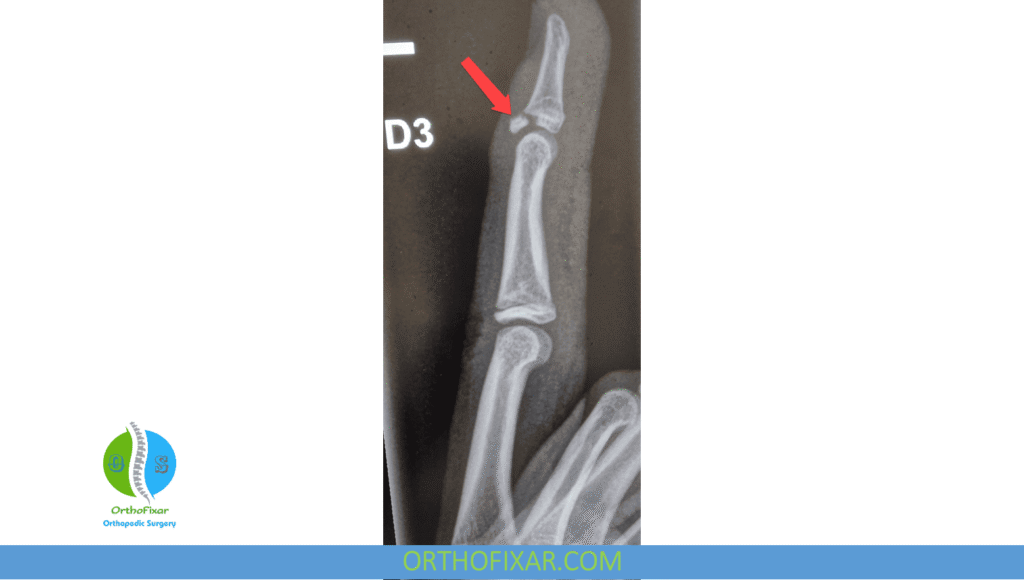
| Finger (mallet finger, jersey finger) | Ball impact, grabbing a jersey | All ages |
| Shoulder (greater tuberosity) | Shoulder dislocation, sudden arm pull | Adults |
Knowing the common sites helps explain why certain movements are more likely to cause this injury. It also helps doctors decide which imaging tests to order.
Symptoms of an Avulsion Fracture
The symptoms of an avulsion fracture often appear suddenly, right at the moment of injury. Many people describe a sharp pain and a pop or tearing sensation. Because the injury involves both bone and soft tissue, symptoms can overlap with those of a sprain or strain. This is one reason avulsion fractures are sometimes missed at first.
- Sudden, sharp pain at a specific point near a joint
- Swelling and bruising around the injured area
- Tenderness directly over the attachment site
- Pain that worsens with movement or muscle contraction
- Difficulty putting weight on the affected limb
- Limited range of motion in the nearby joint
- A visible or felt gap or bump in some cases
- Muscle weakness when trying to use the affected area
If you feel a pop followed by pain and swelling, stop activity and seek medical assessment rather than trying to push through it.
How an Avulsion Fracture Is Diagnosed
Diagnosis starts with a medical history and physical examination. Your doctor will ask how the injury happened and where you feel pain. They will press on the area, check your range of motion, and test the strength of the muscles and tendons involved. This helps identify which attachment may be affected.
Imaging Tests
Imaging confirms the diagnosis and shows the size and position of the bone fragment.
- X-ray: Usually the first test and often enough to see a displaced bone fragment.
- Ultrasound: Useful for checking tendons and ligaments and for guiding procedures.
- MRI: Shows soft tissue damage and small fragments that an X-ray may miss.
- CT scan: Sometimes used for detailed bone imaging before surgery.
In some cases, a small avulsion fracture is only discovered when imaging is done for a suspected sprain that is not improving as expected.
Treatment Options for an Avulsion Fracture
Treatment depends on the location of the fracture, the size of the bone fragment, how far it has moved, and whether the attached tendon or ligament still works properly. Many avulsion fractures heal well without surgery. Others need an operation to restore normal function.
Non-Surgical Treatment
Non-surgical care focuses on protecting the area, controlling pain, and allowing the bone to heal in the correct position.
- Rest and activity modification to avoid pulling on the fragment
- Ice to reduce pain and swelling in the first days
- Compression and elevation to manage swelling
- Pain relief medication as advised by a doctor
- A cast, brace, boot, or sling to keep the area still
- Crutches or a walking aid if weight-bearing is painful
Follow your doctor’s instructions on how long to protect the area. Returning to activity too soon can pull the fragment out of position.
Surgical Treatment
Surgery may be recommended when the fragment is significantly displaced, when a large piece of bone is involved, or when the tendon or ligament no longer functions. The goal is to reattach the bone fragment to its original position so the tendon or ligament can work normally again.
- Screws, pins, or wires to hold the fragment in place
- Suture anchors to reattach the tendon or ligament
- Arthroscopic surgery for certain joints, which uses small incisions
- Open surgery for larger or more complex fragments
Your surgeon will explain the risks and benefits and what to expect during recovery.
First Aid and Immediate Steps
What you do in the first hours after injury can affect pain, swelling, and healing. Stop the activity immediately. Continuing to use the injured area can make the fragment move further.
- Protect the area and avoid putting weight on it
- Apply ice wrapped in a cloth for short periods
- Elevate the limb above heart level when possible
- Use a compression bandage if advised
- Seek medical care if pain is severe or you cannot bear weight
- Avoid heat, alcohol, and massage in the first days
These steps do not replace medical assessment. They reduce early symptoms while you arrange care.
Recovery Timeline and Rehabilitation
Recovery from an avulsion fracture varies widely. A small fragment in a low-stress area may heal in a few weeks, while a large displaced fragment after surgery can take several months. Healing happens in stages: inflammation, new bone formation, and remodeling. Each stage has different needs, and pushing too hard too early can set you back.
Typical Recovery Phases
- Protection phase: Rest and immobilization to let early healing begin.
- Early movement phase: Gentle range-of-motion exercises as advised.
- Strengthening phase: Progressive loading of muscles and tendons.
- Return to activity phase: Sport-specific and functional training.
Physical Therapy
Physical therapy is often a key part of recovery. A therapist can guide you through safe exercises that restore movement, strength, and balance. Therapy also helps prevent stiffness and reduces the risk of re-injury when you return to normal activities.
- Range-of-motion exercises to prevent stiffness
- Strengthening exercises for the muscles around the joint
- Balance and proprioception training
- Gradual return-to-sport progressions
- Education on pacing and warning signs
When to See a Doctor
Some injuries clearly need urgent care. Others can be assessed within a day or two, but it is better not to wait if symptoms are significant. Seek medical attention if you have severe pain, obvious deformity, numbness, or you cannot move or bear weight on the affected limb.
- Severe or worsening pain
- Inability to bear weight or use the limb
- Numbness, tingling, or weakness
- Obvious deformity or a visible gap
- Swelling that keeps increasing
- Pain that does not improve with rest and basic care
Early assessment helps ensure the fragment is in a good position and that the right treatment plan is started.
Preventing Avulsion Fractures
Not every avulsion fracture can be prevented, especially those caused by accidents. But you can reduce your risk with sensible training and lifestyle habits. Strong, well-conditioned muscles and tendons handle force better. Good technique and gradual progression also lower the strain on attachment points.
- Warm up properly before intense activity
- Build strength and flexibility gradually
- Use correct technique in sports and lifting
- Avoid sudden increases in training intensity
- Include rest days in your routine
- Support bone health with adequate nutrition and vitamin D
- Treat minor injuries before they become worse
Living With an Avulsion Fracture
Day-to-day life during recovery can be frustrating, especially if the injury affects walking, dressing, or work. Planning ahead makes it easier. Ask for help when you need it, and adapt your environment to reduce strain on the healing area. Small changes can make a big difference.
- Keep frequently used items within easy reach
- Use a bag or backpack instead of carrying items in your hands
- Arrange transport if you cannot drive safely
- Follow your exercise plan consistently
- Track your progress to stay motivated
Recovery is rarely a straight line. Good days and slower days are both normal.
Conclusion
An avulsion fracture is a bone injury caused by a tendon or ligament pulling a fragment away from its attachment. It can happen during sports, falls, or sudden movements, and symptoms include sharp pain, swelling, and difficulty using the affected limb. Diagnosis usually involves a physical exam and imaging, and treatment ranges from rest and immobilization to surgery for displaced fragments. Recovery takes time and often benefits from guided physical therapy. If you suspect an avulsion fracture, get it checked early, follow your treatment plan, and progress gradually. With the right care, most people return to their normal activities.
Frequently Asked Questions
How serious is an avulsion fracture?
Severity depends on the location and size of the bone fragment and how far it has moved. Small, non-displaced fragments often heal well with rest and protection. Larger or displaced fragments, especially those affecting a major tendon or ligament, may need surgery to restore function.
Can an avulsion fracture heal on its own?
Many avulsion fractures heal without surgery if the fragment stays in a good position and the area is protected. Healing requires time and avoiding strain on the attachment. Your doctor will monitor progress with follow-up visits and sometimes repeat imaging.
How long does it take to recover from an avulsion fracture?
Recovery varies widely. Minor injuries may improve within a few weeks, while more serious injuries or those treated with surgery can take several months. Full return to sport often requires a structured rehabilitation program and a gradual increase in activity.
Do I need surgery for an avulsion fracture?
Surgery is usually considered when the fragment is significantly displaced, when a large piece of bone is involved, or when the attached tendon or ligament no longer works properly. Your surgeon will weigh the benefits and risks and discuss the best option for your situation.
What is the difference between an avulsion fracture and a sprain?
A sprain is an injury to a ligament, while an avulsion fracture involves a piece of bone being pulled away at the attachment. The two can occur together, and symptoms may be similar. Imaging is often needed to tell them apart.
Can I walk on an avulsion fracture?
It depends on the location and severity. Some people can walk with mild discomfort, while others cannot bear weight at all. Follow your doctor’s advice, and use crutches or a walking aid if recommended to avoid making the injury worse.
Which sports most often cause avulsion fractures?
Sports that involve sprinting, jumping, kicking, and rapid direction changes are common causes. These include soccer, football, basketball, gymnastics, and track and field. Sports with throwing motions can also cause avulsion fractures around the elbow.
Is an avulsion fracture more common in children or adults?
It can affect both, but the reasons differ. In children and teenagers, growth plates and attachment points are often weaker than the surrounding tendons, making avulsion injuries more likely during sports. In adults, lower bone strength and prior injuries play a larger role.
What should I avoid while recovering?
Avoid activities that pull on the injured attachment, heavy lifting, and sudden explosive movements. Do not skip follow-up appointments or push through pain. Returning to activity too soon is one of the most common reasons for delayed healing or re-injury.
When can I return to sports after an avulsion fracture?
Return to sport depends on healing, pain levels, strength, and function. Your doctor or physical therapist will usually guide you through a stepwise program. Full clearance typically comes only after you can move, bear weight, and use the area without pain.