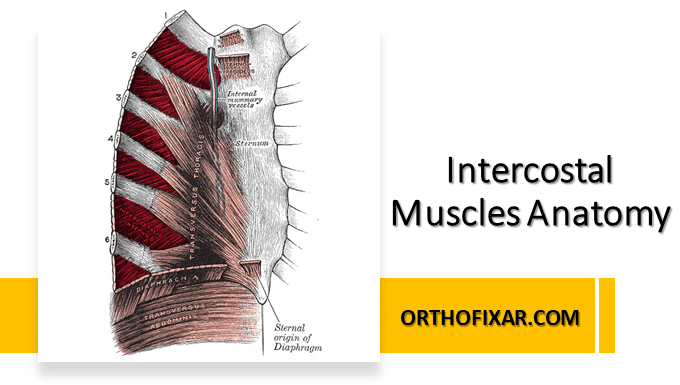
Intercostal Muscles Anatomy
The thoracic wall contains three distinct layers of intercostal muscles: the external intercostal muscles, the internal intercostal muscles,…
Read Full Entry →Clinical anatomy of the human body. Upper & lower limb, Head & neck, chest, abdomen and spine anatomy. Anatomy of bones, muscles, ligaments and joints.
The thoracic wall contains three distinct layers of intercostal muscles: the external intercostal muscles, the internal intercostal muscles,…
Read Full Entry →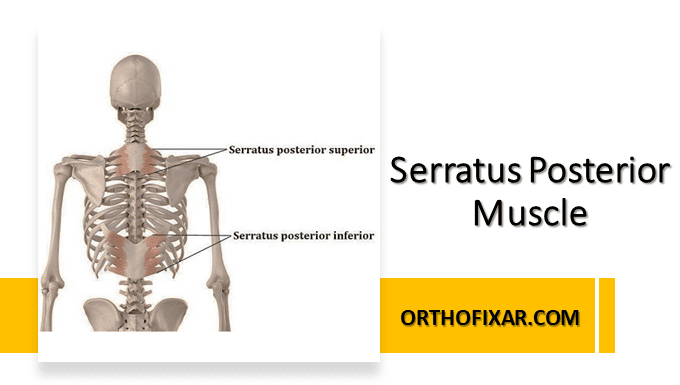
The serratus posterior muscles comprise two distinct yet functionally related muscles: the serratus posterior superior and the serratus…
Read Full Entry →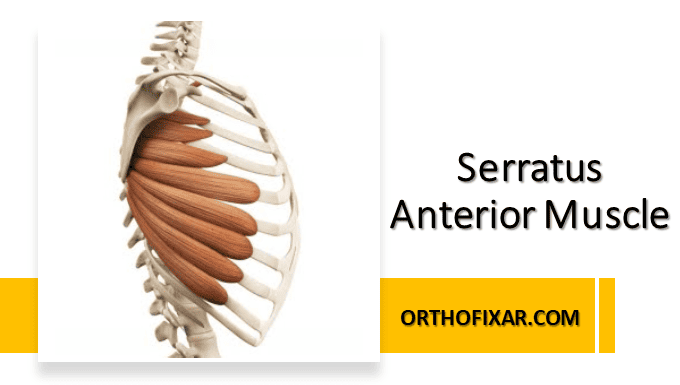
The serratus anterior muscle, often referred to as the “boxer’s muscle,” plays a crucial role in shoulder biomechanics…
Read Full Entry →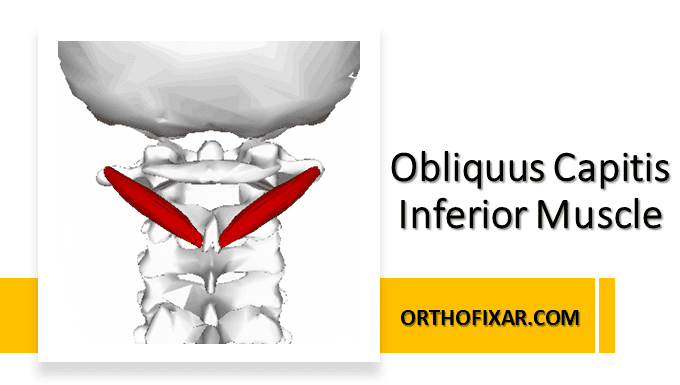
The obliquus capitis inferior muscle represents a critical component of the deep suboccipital musculature, playing an essential role…
Read Full Entry →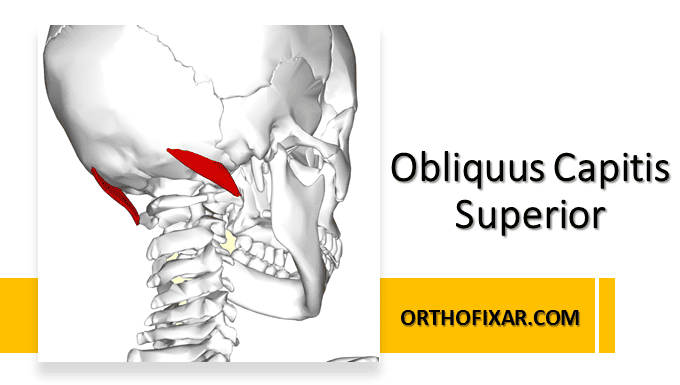
The obliquus capitis superior muscle is one of four muscles comprising the suboccipital group, together with the rectus…
Read Full Entry →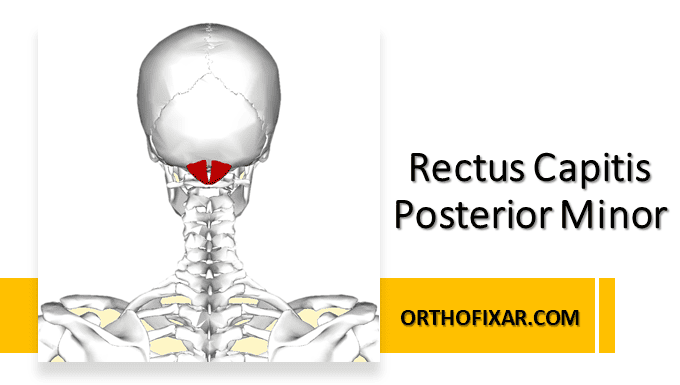
The rectus capitis posterior minor is a small yet significant muscle located in the suboccipital region of the…
Read Full Entry →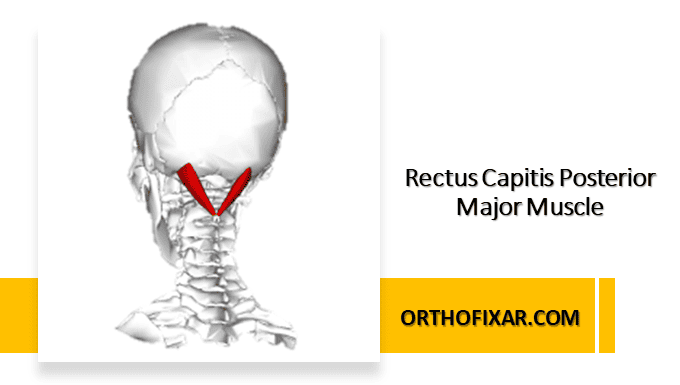
The rectus capitis posterior major is one of four muscles that comprise the suboccipital group, positioned in the…
Read Full Entry →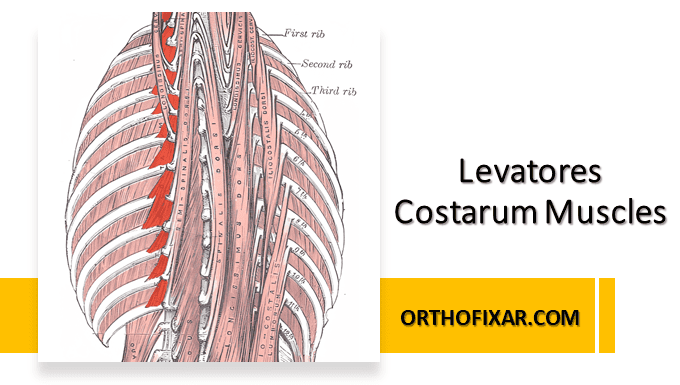
The levatores costarum muscles (L. levator, a lifter) are 12 fan-shaped muscles that elevate the ribs, but their…
Read Full Entry →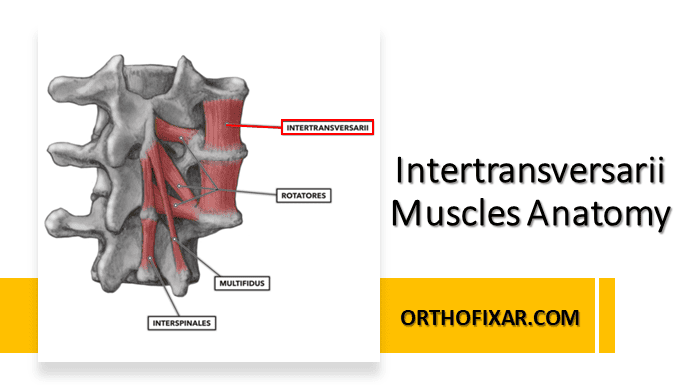
The intertransversarii muscles represent a group of small, paired muscles situated between adjacent transverse processes of the vertebrae…
Read Full Entry →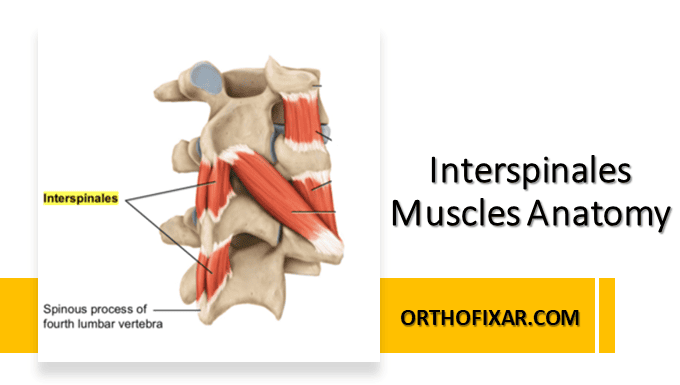
The interspinales are short, paired muscles that connect the spinous processes of adjacent vertebrae. These muscles are most…
Read Full Entry →
The rotatores muscles, essential components of the deep spinal musculature, play a crucial role in spinal biomechanics and…
Read Full Entry →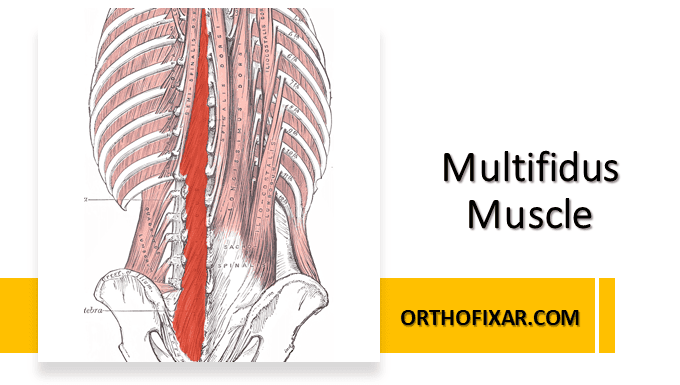
The multifidus muscle forms part of the deep layer of the intrinsic back muscles, extending from the sacrum…
Read Full Entry →