Water holds a unique ability to make movement feel easier, lighter, and safer. Aquatic therapy — also known as water therapy or hydrotherapy — is a targeted rehabilitation approach that uses water’s physical properties to help patients improve function, reduce pain, and regain confidence in movement. This article explains the benefits, safety checks, and suitable conditions for aquatic therapy, plus what you should expect before your first session.
What Is Aquatic Therapy?
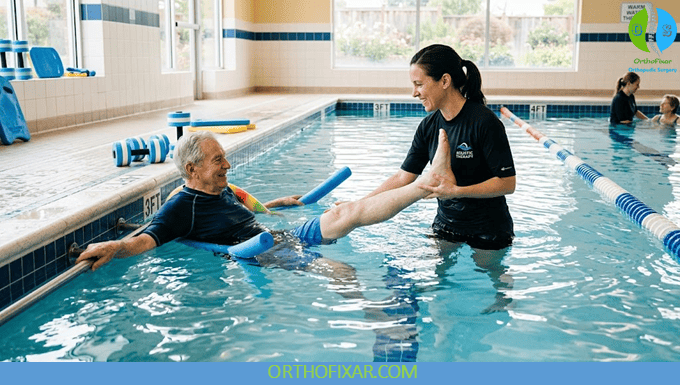
Aquatic therapy is a goal-oriented treatment program performed in a pool under the guidance of a trained physical therapist or occupational therapist. Unlike recreational swimming, it uses specific exercises that focus on your injury, condition, or movement limitation.
- Performed by a qualified therapist who adjusts exercises to your needs
- Usually takes place in a heated pool to promote muscle relaxation
- Includes walking, stretching, strengthening, balance, and endurance activities
- Uses water’s buoyancy, viscosity, and hydrostatic pressure as therapeutic tools
- Designed for people of all ages, from children to older adults
Key Benefits of Aquatic Therapy
Aquatic therapy works well because water changes how your body moves and senses itself. The warmth and pressure of water can calm the nervous system, reduce swelling, and allow muscles to release tension. For many patients, it is the first place where they can move without fear of severe pain.
- Buoyancy reduces joint stress and supports weak limbs
- Hydrostatic pressure decreases swelling and improves circulation
- Warm water relaxes muscles and reduces stiffness
- Water provides gentle resistance to help rebuild muscle strength
- Safe surface for balance training because falls are slower and less impactful
- Can reduce the need for pain medication during recovery
“The buoyancy takes the weight off the joints, yet every movement still works the muscles. That combination is hard to find anywhere else.”
Safety Considerations and Who Should Be Cautious
Aquatic therapy is safe for most people, but it is not risk-free. A professional assessment is important to determine whether water therapy is right for you and to choose the correct water temperature, exercise depth, and session length.
- Always get medical clearance before starting, especially if you have heart or lung disease
- Do not attend with an active infection, fever, or open wound
- Certain conditions, like multiple sclerosis, can be sensitive to warm water
- Pregnant women need specialized guidance and a slightly cooler pool
- People with severe breathing problems should discuss oxygen use during sessions
- Skin allergies to chlorine or pool chemicals must be checked in advance
“Safety in water therapy depends on the right pool, the right expertise, and honest communication with your therapist.”
Conditions That Respond Well to Aquatic Therapy
Aquatic therapy supports many physical and neurological conditions. It is not just for post-surgery patients; it is also helpful for chronic pain, balance issues, and age-related mobility loss.
- Osteoarthritis and rheumatoid arthritis
- Chronic low back pain and spinal stenosis
- After knee or hip replacement surgery
- Fibromyalgia and other chronic pain syndromes
- Stroke, multiple sclerosis, and Parkinson’s disease
- Balance disorders and fall prevention in older adults
- Sports injuries like sprains, strains, and tendonitis
- Juvenile arthritis and cerebral palsy in children
What to Expect in an Aquatic Therapy Session
Your first session may feel unfamiliar, but the therapist will guide you step by step. The goal is to give you a clear idea of how water can support your recovery and what you can do between sessions.
- The therapist will ask about your history and perform a movement assessment outside the pool
- You will change into swimwear or comfortable quick-dry clothing
- Sessions are usually 30 to 60 minutes long
- The therapist may stand inside the pool with you or direct you from the side
- Exercises are modified based on your form, pain level, and fatigue
- You will likely receive a few simple home exercises that mimic the water movements
Aquatic Therapy vs. Land-Based Therapy
Both land-based and aquatic approaches are valuable, but they work differently. Your therapist may combine them or recommend one over the other based on your condition.
| Aspect | Aquatic Therapy | Land-Based Therapy |
|---|---|---|
| Joint load | Low due to buoyancy | Higher due to gravity |
| Pain during movement | Often reduced while in water | Can be painful with certain exercises |
| Balance training | Easier and safer with support | More challenging and falls are a concern |
| Muscle strengthening | Moderate resistance from water | Can target high resistance with weights |
| Range of motion | Warmth in water helps joints move more freely | May need more stretching or manual therapy |
| Equipment needs | Pool, noodles, boards, water weights | Mat, weights, bands, machines |
Tips for Starting Aquatic Therapy
Preparation helps you get the most out of each session. Bring the right items, be consistent, and communicate openly with your therapist.
- Ask your doctor or surgeon for a referral to a certified aquatic physical therapist
- Choose a facility that has a heated therapy pool and accessible entry stairs or a lift
- Bring water shoes or flip-flops, a towel, and a waterproof watch if you use one
- Wear a light wetsuit or wrap if you tend to get cold in the pool
- Drink water before and after your session — you still sweat while in water
- Tell your therapist immediately if any movement makes you dizzy, short of breath, or unusually painful
Conclusion
Aquatic therapy offers a practical, low-stress path to recovery and long-term wellness. Because it reduces joint stress while still challenging the muscles, it can help people with arthritis, neurological conditions, sports injuries, and chronic pain take real steps forward. The key is to work with a qualified therapist, follow safety guidelines, and stay consistent with your sessions. With the right plan, water can become one of the most supportive tools in your recovery.
Frequently Asked Questions
Do I need a referral to begin aquatic therapy?
Many physical therapy clinics accept direct access, so you can book without a referral in certain regions. However, it is still wise to check with your insurance provider first. Some insurance plans require a doctor’s referral for aquatic therapy sessions to be covered.
How long does a typical aquatic therapy program last?
Most programs last four to eight weeks, depending on your condition and goals. Some patients need only a few sessions to learn how to exercise safely at home, while others benefit from ongoing supervised sessions for chronic conditions.
Is aquatic therapy safe for older adults?
Yes. Aquatic therapy is often recommended for older adults because water reduces fall risk and lowers stress on joints. A therapist can tailor exercises to improve balance, strength, and confidence. A thorough medical assessment should always be completed before starting.
Can aquatic therapy help with a herniated disc?
In many cases, yes. Water buoyancy can unload the spine and ease nerve root compression. Gentle water walking and floating exercises can reduce pain and improve mobility. Still, some disc injuries are sensitive to certain movements, so professional guidance is essential.
Do I need to know how to swim?
No. Most aquatic therapy exercises are performed in shallow water where your feet can reach the floor. You do not need to put your face in the water, and flotation devices can be used if needed. This makes the therapy accessible even for people who are not comfortable swimming.
What should I wear during aquatic therapy?
Swimwear is the most common choice, but some clinics allow shorts and a t-shirt made of quick-dry material. Avoid cotton because it becomes heavy when wet. You should also wear non-slip water shoes to protect your feet and improve grip around the pool.
How is aquatic therapy different from regular physical therapy?
Aquatic therapy is a type of physical therapy that happens in a pool. Regular land-based physical therapy focuses on exercises on a mat or with machines. Aquatic therapy is often used as a complement to land therapy, especially in the early stages of healing.
Can aquatic therapy reduce fibromyalgia pain?
Yes. Studies consistently show that warm water exercise can reduce pain, fatigue, and stiffness in people with fibromyalgia. The gentle resistance and warmth help the body relax, making it easier to stay active without triggering painful flare-ups.
What does an aquatic therapy session cost?
Costs vary depending on your location, clinic, and insurance coverage. In many places, a session can cost between a similar amount to a standard physical therapy visit. Contact your insurance provider to ask if aquatic therapy is a covered benefit.
What should I do after my aquatic therapy session?
Rest briefly, change into dry clothes, and drink water. Some people feel tired after a session because the water is a full-body workout. If you feel sore the next day, let your therapist know so they can adjust the intensity of your next session.