High arches (also called pes cavus) mean the arch of your foot is higher than usual, so the middle of the foot stays lifted instead of flattening when you stand. Because the foot cannot absorb shock the way a typical foot does, pressure builds up under the ball of the foot, the heel, and the outer edge, which can lead to pain, calluses, and repeated ankle sprains. This guide covers the symptoms, the causes behind high arches, how they are diagnosed, and the insoles and treatments that genuinely help in daily life.
What Are High Arches?
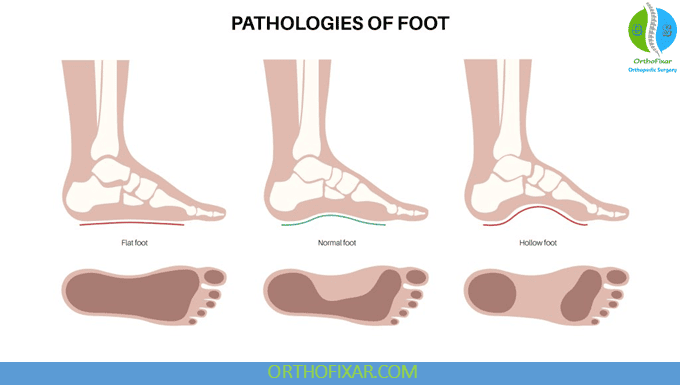
A high arch is a foot shape where the medial arch — the curve along the inside of the foot — is noticeably elevated. When you stand, a normal arch flattens slightly and spreads the load across the whole foot. A high arch stays rigid, so the foot rolls outward and only a few small areas carry your body weight.
Because the arch does not flex, the foot loses some of its natural shock absorption. That is why people with high arches often feel pain after standing, walking, or running for a while, even when their shoes look perfectly fine.
- The arch stays high even when standing barefoot.
- Weight lands mostly on the heel and the ball of the foot.
- The foot tends to roll outward (supination) rather than inward.
- One foot or both feet can be affected.
- Some people have high arches with no pain at all.
Common Symptoms of High Arches
Symptoms usually appear gradually and get worse with time spent on your feet. Many people first notice calluses or shoe-fitting problems rather than sharp pain.
- Pain or burning under the ball of the foot (metatarsalgia).
- Heel pain, especially in the morning or after long standing.
- Thick calluses on the ball of the foot, heel, or outer edge.
- Toes that curl upward (hammer toes or claw toes).
- Frequent ankle sprains or a feeling that the ankle gives way.
- Pain along the outer side of the foot.
- Tight calf muscles and Achilles tendon.
- Shoes that wear unevenly on the outer edge.
- Difficulty finding shoes that feel comfortable across the top of the foot.
People with high arches often describe their feet as “tired and stiff” rather than painful, especially after a long day on hard floors.
What Causes High Arches?
In many cases, high arches are inherited and simply run in the family. When there is no underlying condition, doctors call it idiopathic pes cavus. In other cases, the shape develops because of a nerve or muscle problem that weakens some foot muscles more than others.
- Genetics — the most common reason for high arches.
- Neurological conditions such as Charcot-Marie-Tooth disease.
- Muscle imbalance where the muscles that lift the arch overpower the ones that lower it.
- Spinal cord or nerve conditions affecting the legs and feet.
- After-effects of clubfoot treatment or a previous foot injury.
- Compartment syndrome or other muscle injuries in the lower leg.
If your high arches appeared suddenly or one foot changed shape while the other did not, that deserves a proper medical assessment, because it can point to a nerve problem rather than a normal foot shape.
How High Arches Are Diagnosed
Diagnosis is usually straightforward and starts with a physical examination. Your doctor or podiatrist will look at your feet while you stand, sit, and walk, and will check how your foot moves.
- Visual inspection of the arch while standing and while seated.
- A wet footprint test, where a high arch leaves a narrow print with a thin middle.
- Checking the range of motion in the ankle, midfoot, and toes.
- Testing muscle strength and sensation to rule out nerve problems.
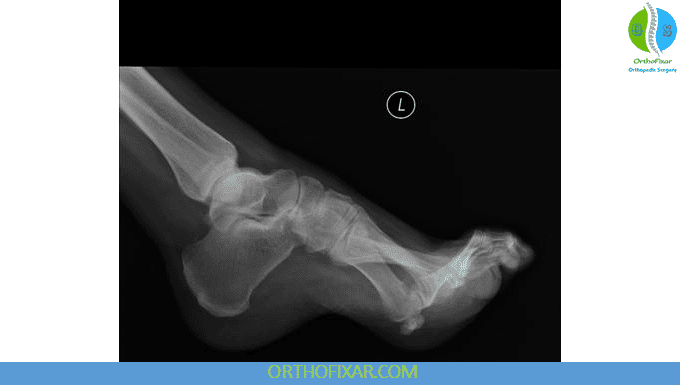
- Weight-bearing X-rays to see bone alignment and joint wear.
- Gait analysis to see how the foot rolls during walking or running.
When Imaging Is Needed
Imaging is not always required. It becomes useful when pain is persistent, when surgery is being considered, or when the doctor suspects a structural problem such as arthritis or a stress fracture caused by repeated overload.
Treatment Options for High Arches
Most people manage high arches without surgery. The aim of treatment is to cushion the foot, spread pressure more evenly, and strengthen the muscles that support the arch and ankle.
- Supportive shoes with plenty of cushioning and a wide toe box.
- Cushioning insoles or orthotics designed for high arches.
- Stretching the calf, Achilles tendon, and plantar fascia daily.
- Strengthening the ankle and intrinsic foot muscles.
- Physical therapy for balance and gait training.
- Padding or offloading for painful calluses.
- Surgery in severe cases where conservative care fails.
Shoe Choices That Make a Difference
The right shoe can reduce high-arch pain more than any single product. Look for good heel cushioning, a flexible forefoot, and enough depth so the top of your foot is not pressed down.
- Avoid very flat, hard shoes such as thin sandals or old dress shoes.
- Choose shoes with a slightly wider toe box for hammer toes.
- Replace worn shoes before the midsole loses its cushioning.
- Use a lace-locking technique to keep the heel from slipping.
Exercises and Stretches
Stretching helps because high arches often come with a tight calf and plantar fascia. Strengthening the ankle stabilizers also reduces the risk of sprains.
- Calf stretch against a wall, held for 30 seconds per side.
- Plantar fascia stretch using a towel or your hand before getting out of bed.
- Towel curls and picking up small objects with the toes.
- Heel raises to strengthen the calf and ankle complex.
- Balance work on one leg, progressing to a cushion or pillow.
For high arches, the goal is not to flatten the arch — it is to support it and spread pressure away from the heel and the ball of the foot.
Best Insoles and Orthotics for High Arches
Insoles for high arches need to do two jobs: cushion the areas that take too much load, and fill the space under the arch so the foot is supported rather than pushed. A very rigid, tall arch support can actually increase pain, so the fit matters as much as the material.
- Full-length insoles usually work better than half-length ones.
- Look for a metatarsal pad to offload the ball of the foot.
- A deep heel cup improves stability and reduces ankle roll.
- Shock-absorbing materials such as gel, EVA, or memory foam help.
- Custom orthotics are useful when over-the-counter options fail.
| Insole Type | Best For | Key Feature |
|---|---|---|
| Cushioned over-the-counter insole | Mild pain and daily walking | Soft foam with light arch support |
| Metatarsal pad insole | Pain under the ball of the foot | Raised pad behind the metatarsal heads |
| Deep heel cup insole | Ankle instability and heel pain | Holds the heel centered while walking |
| Custom orthotic | Persistent pain or nerve conditions | Made from a mold of your own foot |
| Sports-specific insole | Running and high-impact activity | Extra forefoot cushioning and flexibility |
How to Break In New Insoles
Start by wearing them for one to two hours a day and build up gradually over a week or two. If you feel pressure under the arch or numbness in the toes, the insole is likely too high or too firm for your foot.
When to See a Doctor
Many people with high arches manage well with good footwear and insoles. However, some signs should prompt a professional evaluation.
- Pain that limits walking, working, or exercise.
- Numbness, tingling, or weakness in the foot or leg.
- A sudden change in the shape of one foot.
- Repeated ankle sprains or a feeling of instability.
- Open wounds, ulcers, or severe calluses.
- No improvement after several weeks of self-care.
Conclusion
High arches are a common foot shape that can range from harmless to genuinely painful. The main problems come from poor shock absorption and pressure concentrated under the heel and ball of the foot, which is why calluses, metatarsal pain, and ankle sprains show up so often. Supportive shoes, well-fitted cushioning insoles, daily stretching, and ankle strengthening solve the problem for most people. If pain persists, changes suddenly, or comes with numbness or weakness, see a podiatrist or doctor for a proper assessment and, if needed, custom orthotics.
Frequently Asked Questions About High Arches
Are high arches bad for your feet?
Not always. Many people with high arches have no symptoms at all. Problems appear when the arch is stiff and cannot absorb shock, which puts extra pressure on the heel, the ball of the foot, and the outer edge. With good footwear and support, most people with high arches stay comfortable.
Can high arches be fixed?
The bone structure itself cannot be changed without surgery, and surgery is rarely needed. What can be improved is how the foot functions. Insoles, supportive shoes, stretching, and strengthening reduce pain and prevent the secondary problems that high arches tend to cause.
What are the best shoes for high arches?
Look for shoes with cushioned heels, a flexible forefoot, a slightly wider toe box, and removable insoles so you can add your own support. Avoid very flat, thin, or rigid shoes. Running and walking shoes generally work better than fashion footwear.
Do I need custom orthotics for high arches?
Not everyone does. Over-the-counter insoles with a metatarsal pad and a deep heel cup help many people. Custom orthotics are worth considering when pain continues despite good shoes and standard insoles, or when a neurological condition affects your feet.
Why do high arches cause calluses?
Because the arch does not flatten, your body weight concentrates on a few small areas. The skin responds to that repeated pressure by thickening into calluses, most often under the ball of the foot, on the heel, and along the outer edge of the foot.
Can high arches cause knee or back pain?
Yes, they can. A stiff, outward-rolling foot changes how the leg absorbs impact, which can travel upward to the ankle, knee, hip, and lower back. Supportive footwear and orthotics often reduce this chain of stress.
Is walking barefoot good for high arches?
It depends on the surface and your symptoms. Walking barefoot on soft ground can strengthen the foot muscles, but hard floors give no cushioning and often increase heel and metatarsal pain. If barefoot walking hurts, wear supportive shoes indoors.
Are high arches linked to any medical conditions?
Sometimes. High arches can be inherited with no underlying disease, but they are also associated with neurological conditions such as Charcot-Marie-Tooth disease and other nerve or muscle disorders. A sudden change in foot shape should always be checked by a doctor.
How long does it take for insoles to help?
Many people notice less pain within one to two weeks of consistent use. Give a new insole a gradual break-in period and at least a few weeks before deciding whether it works. If it causes numbness or new pain, it likely needs adjusting or replacing.
When is surgery considered for high arches?
Surgery is considered only when pain is severe and does not improve with shoes, orthotics, and physical therapy. Procedures aim to realign the foot and balance the muscles and tendons. It is a significant step, so a careful evaluation with imaging is always done first.